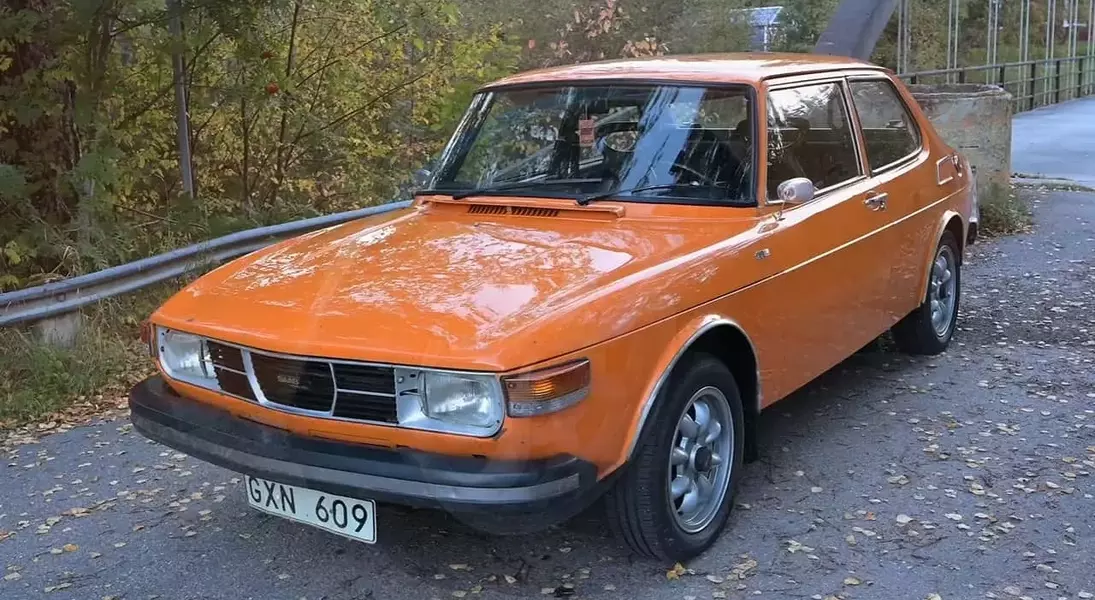
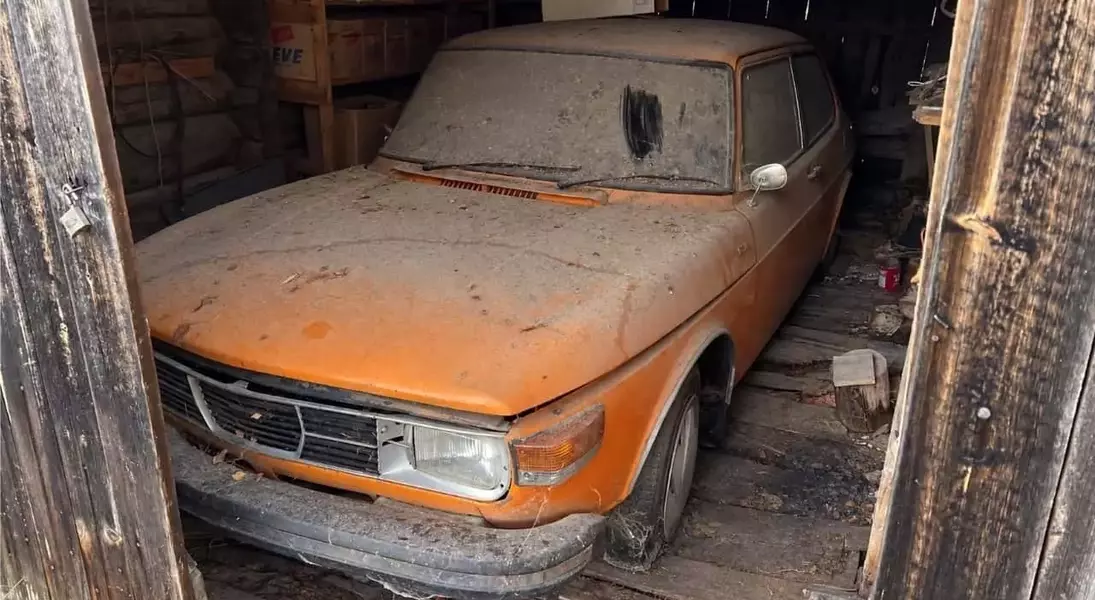
A remarkable automotive tale has unfolded as a 1975 Saab 99 two-door sedan, after languishing for 31 years in a Swedish barn, has successfully been brought back to life. This vehicle, initially set aside as a donor for spare parts, was discovered in an astonishingly well-preserved state. Its odometer displayed roughly 130,000 kilometers, equivalent to approximately 80,778 miles, suggesting a relatively light operational history. Crucially, the car's prolonged dormancy was spent in conditions that shielded it from the corrosive effects of winter road salt, a factor believed to be instrumental in its exceptional structural integrity. The meticulous revival process captured widespread attention, with a detailed restoration documentary garnering more than two million views, highlighting the enduring appeal of such automotive resurrections.
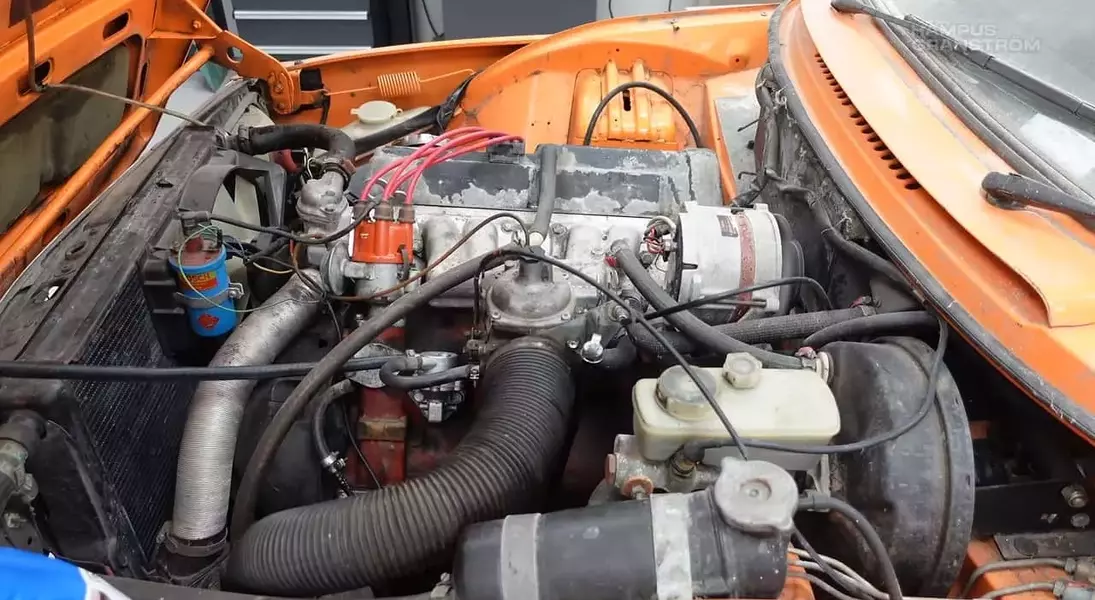
The journey of this particular Saab 99, designated X7, back to the road involved a series of intricate steps. Designed by Sixten Sason in the late 1960s, the Saab 99 series, by the mid-1970s, featured 2.0-liter inline-four engines, offering both carbureted and Bosch fuel-injected variants. This specific barn find retained its original carbureted configuration. Hampus Granstrm, the visionary behind this restoration project, noted the incredible resilience of the car's structure, which remained fundamentally sound despite three decades of inactivity. He emphasized how the robust, rally-proven chassis, a hallmark of the 99's success in World Rally Championship events, was still in excellent condition when it was carefully extracted from its long-term resting place.
Saab's commitment to innovation in the 99 series was evident with models like the 99 EMS, introduced in 1972, which featured a 2.0-liter engine equipped with Bosch electronic fuel injection. This marked a broader shift towards injected systems, with Bosch K-Jetronic becoming standard from 1975. The later 99 Turbo, launched in 1978 with 145 horsepower, further cemented the model's performance legacy, notably when Stig Blomqvist triumphed in the Swedish Rally with a 99 Turbo in 1979, following an earlier win with a 99 EMS in 1977. While this discovered sedan predates the turbocharged era, it shares the fundamental chassis engineering that underpinned these acclaimed performance variants.
The mechanical resurrection of the Saab 99 involved significant attention to its core systems. The engine required a thorough internal cleaning, the fuel tank needed servicing, and the carburetor had to be meticulously rebuilt to ensure reliable ignition. The restoration team also addressed the braking system, carefully machining the front discs by approximately 2 millimeters to allow new brake pads to integrate correctly with the existing, aged components. Following the mechanical overhaul, the cosmetic aspect of the revival commenced. The vehicle received its first wash since 1995, followed by extensive decontamination and a two-stage machine polish. This careful approach aimed to restore the original paint finish without requiring a full strip-down, preserving its authentic character. The entire comprehensive process was meticulously documented in a 44-minute feature.
Beyond the immediate work to bring it back to life, the inherent design philosophy of the Saab 99 played a crucial role in its remarkable preservation. When first introduced, the 99 was renowned for its safety innovations, including advanced deformation zones, impact-absorbing bumpers, and a distinctive floor-mounted ignition switch. These forward-thinking safety features contributed significantly to the car's ability to maintain its structural integrity and body shape throughout its extended period of storage. While this specific Saab's excellent condition can be partly attributed to its unique sheltered environment and relatively low original mileage, its robust construction undoubtedly aided in its successful revival, offering a compelling testament to Saab's engineering prowess.
