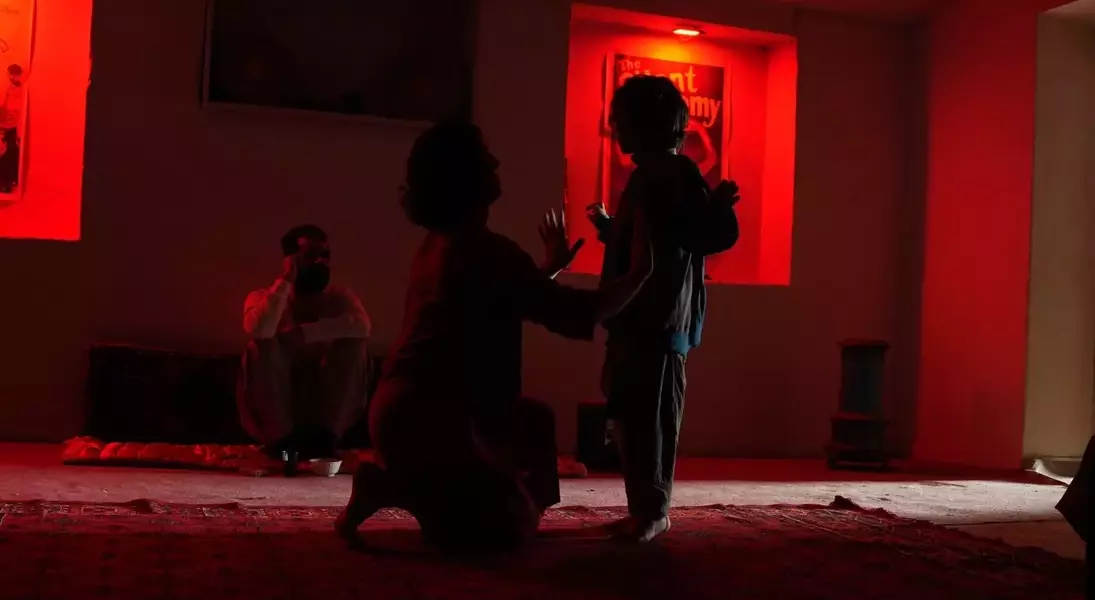

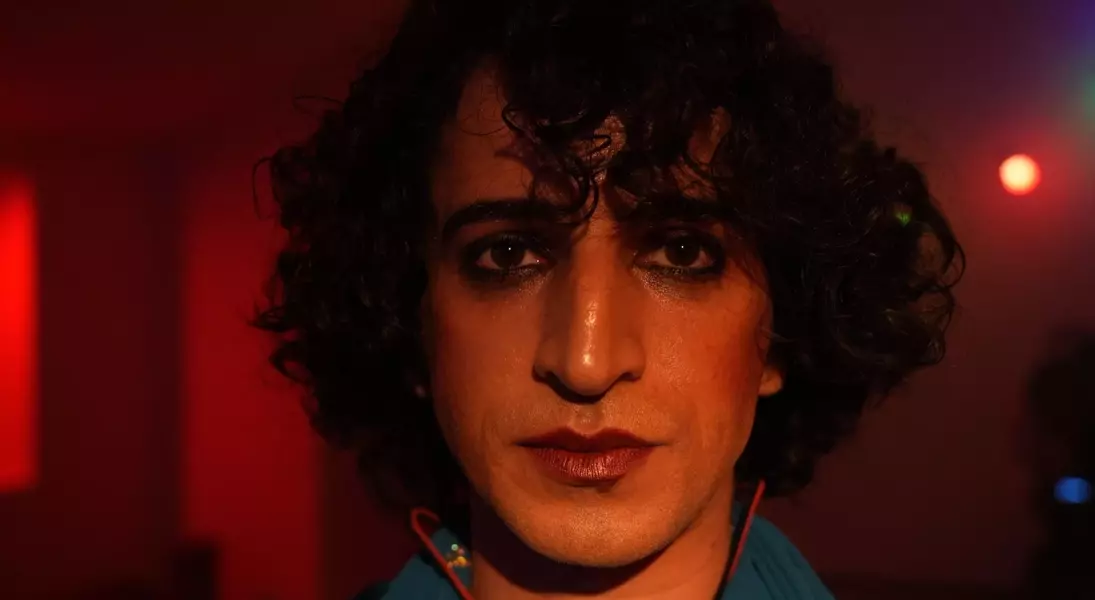
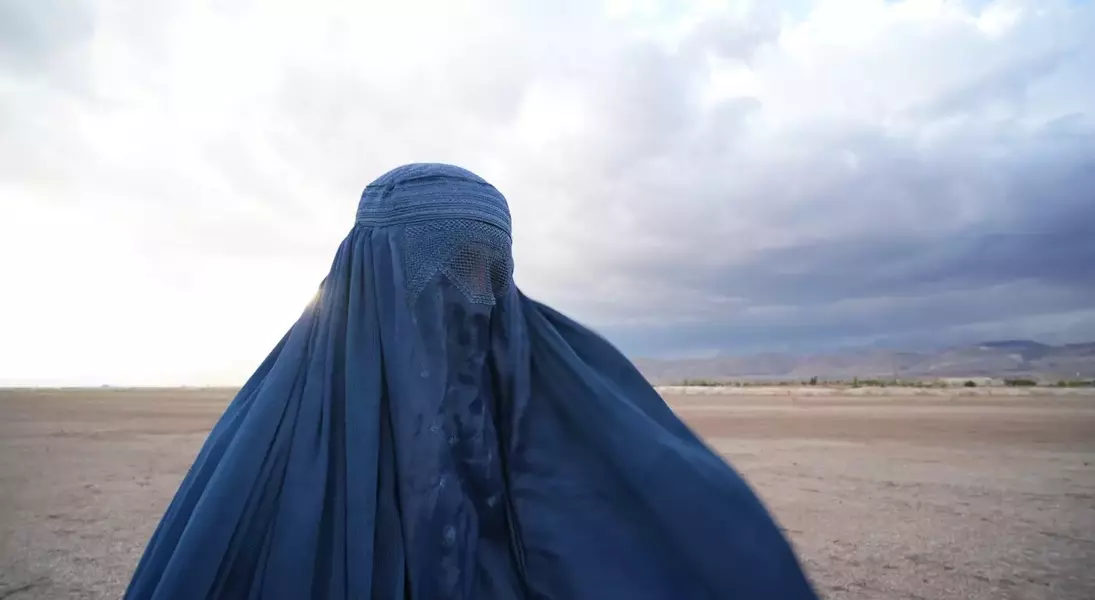
Gözde Kural's latest cinematic endeavor, 'Cinema Jazireh,' offers a poignant and timely exploration of the human condition under duress, specifically focusing on the plight of women in contemporary Afghanistan. Premiering at the Karlovy Vary International Film Festival, this thought-provoking work transcends its geographical setting, weaving a narrative that resonates with universal themes of perseverance, the search for identity, and the unwavering power of hope. The film not only highlights the severe restrictions faced by individuals in an oppressive regime but also delves into the subtle yet profound acts of resistance that define human dignity. Kural's unique perspective, informed by her Turkish background and deep personal connection to Afghanistan, allows her to bridge cultural divides and present a story that is both deeply personal and broadly relatable.
Through compelling storytelling and rich character development, 'Cinema Jazireh' prompts viewers to reflect on societal challenges far beyond the borders of Afghanistan. It emphasizes that the struggle against authoritarianism and the pursuit of freedom are not confined to a single nation but are global phenomena. The film serves as a powerful reminder of how hope, even in its quietest forms, can become a formidable tool against despair and control. By challenging conventional narratives and offering a nuanced portrayal of complex realities, Kural invites her audience to engage with difficult questions about justice, resilience, and the responsibility of the storyteller in illuminating the unseen and unheard.
The Enduring Flame of Hope Amidst Adversity
Gözde Kural’s film, 'Cinema Jazireh,' centers on Leila, a woman's desperate journey through Taliban-controlled Afghanistan to find her son, Omid, whose name symbolically means 'hope.' In a society where women are severely marginalized, Leila's decision to adopt a male disguise underscores the extreme measures individuals must take to navigate a repressive environment. The film, which draws inspiration from real accounts, illuminates the daily struggles and subtle acts of defiance that characterize life under an authoritarian regime, showcasing how hope becomes a vital, almost rebellious, force. This compelling narrative highlights the oppressive conditions that force individuals into roles they would never embrace in a free society, yet it simultaneously celebrates the inherent human desire to survive and seek a brighter future.
'Cinema Jazireh' is a profound exploration of what it means to cling to optimism when faced with overwhelming despair. Kural explains that her fascination with Afghanistan stems from a deep human connection to a place she feels has been unjustly abandoned and ignored. She aims to convey that hope, even when barely perceptible, is essential for human existence, especially when death looms large. This message resonates globally, particularly as many parts of the world grapple with rising authoritarianism and the erosion of fundamental freedoms. The film suggests that believing in a better tomorrow is not merely a comfort but a necessary act of resistance against systems built on fear and control. It portrays hope as an inner strength that enables individuals and communities to endure, making it a universal and urgent theme for contemporary audiences.
A Filmmaker's Deep Connection and Universal Storytelling
Gözde Kural’s commitment to telling stories from Afghanistan is evident in 'Cinema Jazireh,' her second feature set in the country. Her initial travels to Afghanistan as a young backpacker profoundly influenced her, revealing a resilience among its people that defied unimaginable hardship. This personal connection, rather than a familial one, has driven her to explore the unseen and unheard narratives of a nation grappling with persistent injustice. Kural emphasizes that understanding the world involves feeling its wounds, and through her films, she seeks to deepen this empathetic bond between her audience and the realities she portrays. For her, Afghanistan has been a crucible, shaping her artistic voice and compelling her to respond to the profound questions it poses about life, death, and human spirit.
The universal appeal of 'Cinema Jazireh' lies in its ability to transcend its specific Afghan context and mirror broader human experiences. Kural, drawing from her unique position as a Turkish filmmaker, views her work as building bridges between cultures, understanding the nuances that might otherwise be overlooked. She notes the striking parallels between the oppression depicted in the film and the increasing authoritarianism in her own country, highlighting how political and social pressures affect individuals regardless of their geographical location. Themes of identity, resistance, isolation, and quiet survival are not exclusive to Afghanistan but resonate across diverse societies. By crafting a film that evokes atmosphere and feeling rather than didacticism, Kural encourages viewers to find reflections of their own struggles and hopes within the narrative, making 'Cinema Jazireh' a potent and universally relevant work.
