Ridley Scott's seminal science fiction film, "Blade Runner," has long been a subject of cinematic discussion, primarily due to its multiple versions and the persistent struggle between the director's artistic vision and studio demands. However, the release of the "Final Cut" in 2007, now freely accessible on YouTube, solidified Scott's original intent, offering audiences the definitive viewing experience of this cyberpunk classic. This version, meticulously crafted after years of debate and re-edits, showcases the film's profound impact on the genre and its intricate exploration of artificial intelligence and humanity.
The Rebirth of a Cyberpunk Icon: "Blade Runner: Final Cut"
In the vibrant tapestry of science fiction cinema, the 1970s and 1980s marked a pivotal era, propelling the genre into the mainstream. Amidst this cinematic evolution, Ridley Scott's "Blade Runner" emerged as a groundbreaking work, diverging from the prevailing optimism of its predecessors like "Star Wars." By the early 1980s, a sense of dystopian realism began to permeate sci-fi narratives, and "Blade Runner" stood at the forefront of this shift, casting a long shadow over subsequent works. Its production, however, was fraught with creative tensions, resulting in five distinct cuts over the years. It wasn't until 2007, with the painstaking release of "Blade Runner: Final Cut," that Scott's comprehensive vision for the film was fully realized, presenting an unparalleled version of a movie that irrevocably reshaped science fiction. This critically acclaimed "Final Cut" is currently available for complimentary streaming on YouTube, offering a golden opportunity for both aficionados and newcomers to explore its rich, multi-layered world, particularly if previous encounters left lingering questions about its deeper implications.
The narrative of "Blade Runner" commences with an introductory text, immersing viewers in a corporatized future inhabited by bioengineered humanoids known as replicants. These advanced androids, possessing abilities superior to humans, were initially created for servitude but eventually revolted. This led to the formation of an elite police unit, the Blade Runners, tasked with hunting down and "retiring" rogue replicants, who were subsequently banned from Earth. The film dramatically opens in a heavily polluted, fire-spewing Los Angeles of November 2019, setting a somber tone.
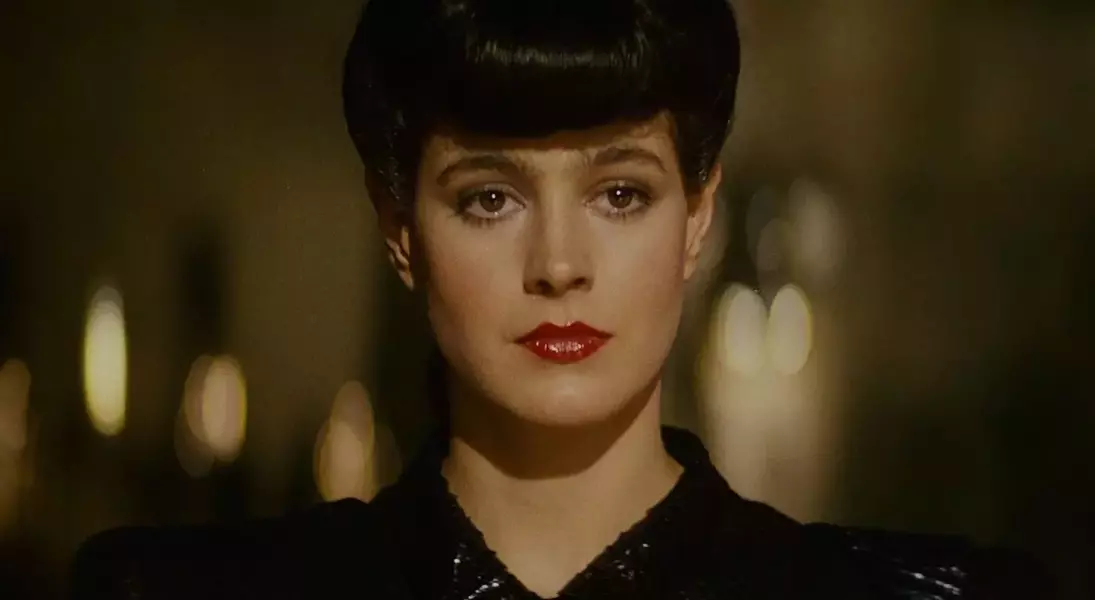
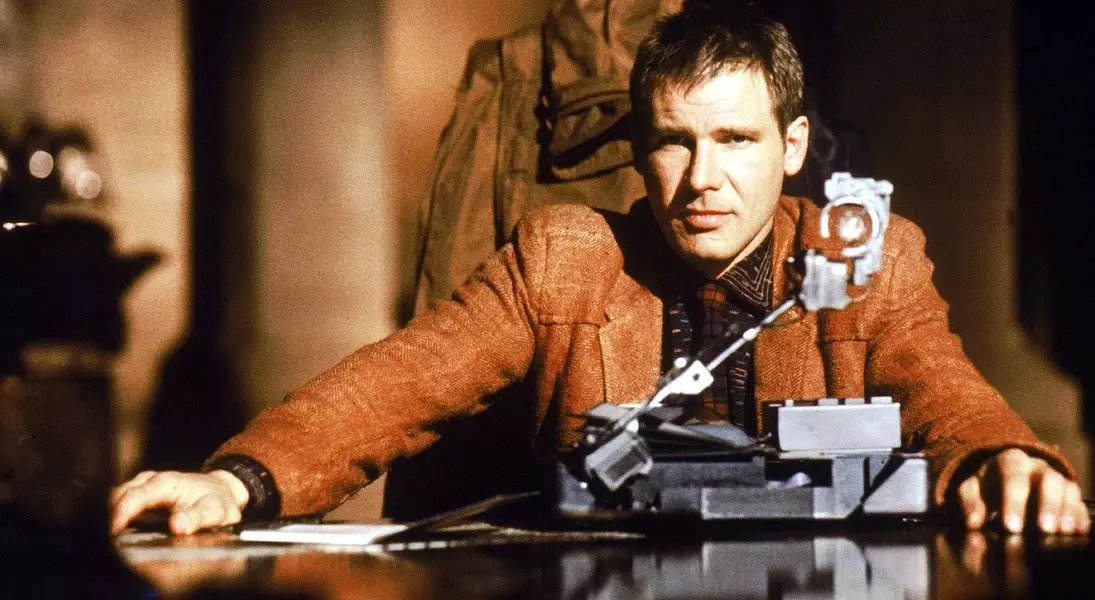
We are introduced to Rick Deckard, portrayed by Harrison Ford, a former police officer and bounty hunter reluctantly brought back into service to locate and eliminate four fugitive replicants. During his investigation, Deckard visits the Tyrell Corporation, a titan in replicant design, housed in a striking pyramid-like structure in the heart of Los Los Angeles. There, he encounters Rachael, Tyrell's assistant, only to discover she is also a replicant. As their relationship deepens, Deckard's perception of androids undergoes a profound transformation, complicating his mission. Despite the initial portrayal of the replicants as terrifying and emotionally stunted, the film gradually reveals their surprising empathy, particularly given their truncated four-year lifespans, which often lead them to question their very existence. Deckard's continued pursuit of the fugitives increasingly weighs on his conscience, culminating in a poignant confrontation with Roy Batty, the replicant leader.
The profound influence of "Blade Runner" on the cyberpunk genre is immeasurable. Its aesthetic and thematic elements, alongside William Gibson's novel "Neuromancer" released two years later, solidified the genre's distinct look and feel, articulating the anxieties of the era. This influence remains potent even decades later, evident in modern cyberpunk touchstones such as the "Cyberpunk 2077" video game and its animated series, whose Night City strikingly echoes Scott's futuristic Los Angeles.
Despite its monumental legacy, "Blade Runner" was not an immediate box office triumph and initially garnered mixed reviews. Director Ridley Scott has openly discussed the disconnect between his vision and the interpretations of both the studio and lead actor Harrison Ford, noting in an interview with IndieWire how Ford initially struggled to grasp the film's deeper meanings, particularly the recurring origami motif that hints at Deckard's own potential as a replicant. Scott also shared his personal hurt when screenwriter Hampton Fancher expressed fury over the film's altered narrative, believing his script had been compromised. However, the film's evocative visuals and immersive atmosphere were rarely criticized. The primary points of contention revolved around its deliberate pacing and a voice-over narration that Ford himself disliked recording. It was only with the passage of time that audiences began to fully appreciate "Blade Runner" as the cinematic masterpiece it is. Subsequent cuts, particularly the removal of the voice-over, brought the film closer to Scott's original intent, culminating in the 2007 "Final Cut," widely regarded as the definitive rendition of this timeless story.
Ridley Scott, a prodigious filmmaker known for his consistent output across various genres, has often cited "Blade Runner" as one of his all-time favorite creations. Given its enduring impact and the meticulous restoration of his artistic vision in the "Final Cut," this version is destined to be remembered as his seminal work for generations to come. After a quarter-century of creative struggles and diverse interpretations, the "Blade Runner" that Scott always envisioned is now freely available on YouTube, awaiting discovery with just a simple click.
The journey of "Blade Runner" from a commercially challenging film to a revered cult classic underscores the often-complex relationship between artistic integrity and commercial pressures in Hollywood. It serves as a powerful reminder that some works of art, initially misunderstood, require time and the artist's unwavering commitment to their vision to be fully appreciated. The "Final Cut" not only rectifies past misinterpretations but also reaffirms the film's status as a prescient and profound commentary on what it means to be human in an increasingly technological world. Its free availability on YouTube is a testament to its enduring cultural significance and an invitation to new generations to explore its depths.
