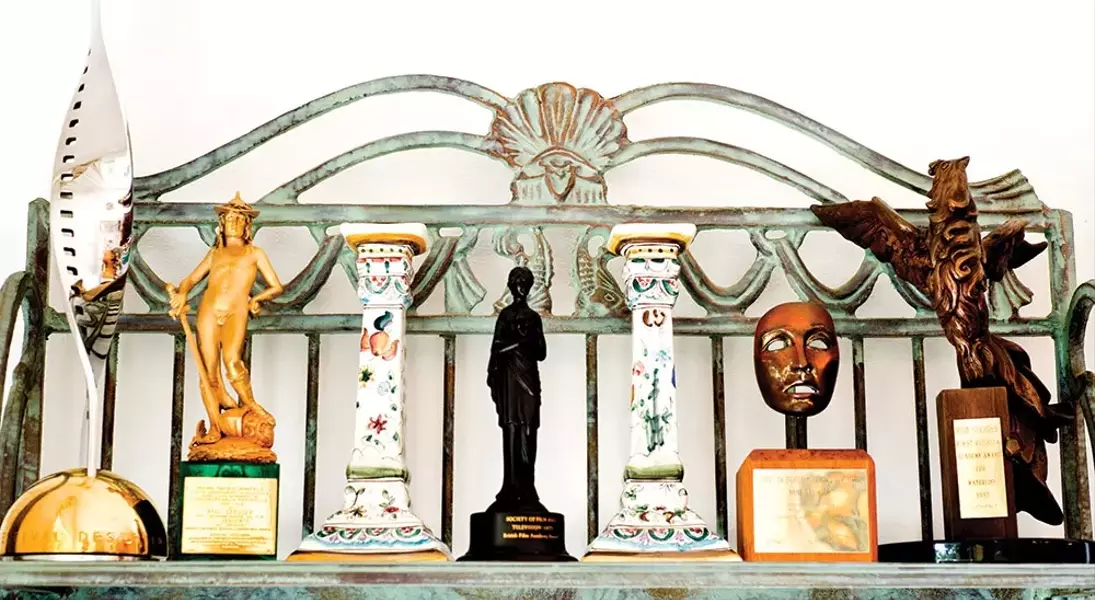

A dramatic saga unfolds around the estate of the late acting icon Rod Steiger, as his daughter, Anna Steiger, battles to secure possession of her father's esteemed awards. These cherished accolades, including his Berlin Bear and David Di Donatello trophies, surprisingly surfaced at an auction following the death of Steiger's final wife, Joan Benedict. This legal and emotional struggle, reminiscent of a complex theatrical plot, illuminates the profound significance of a creative legacy and the intricate challenges of familial inheritance. The narrative traces Anna's unwavering efforts to restore what she believes rightfully belongs to her family, exposing the deep-seated connections between personal history and public recognition.
The Quest for a Paternal Legacy
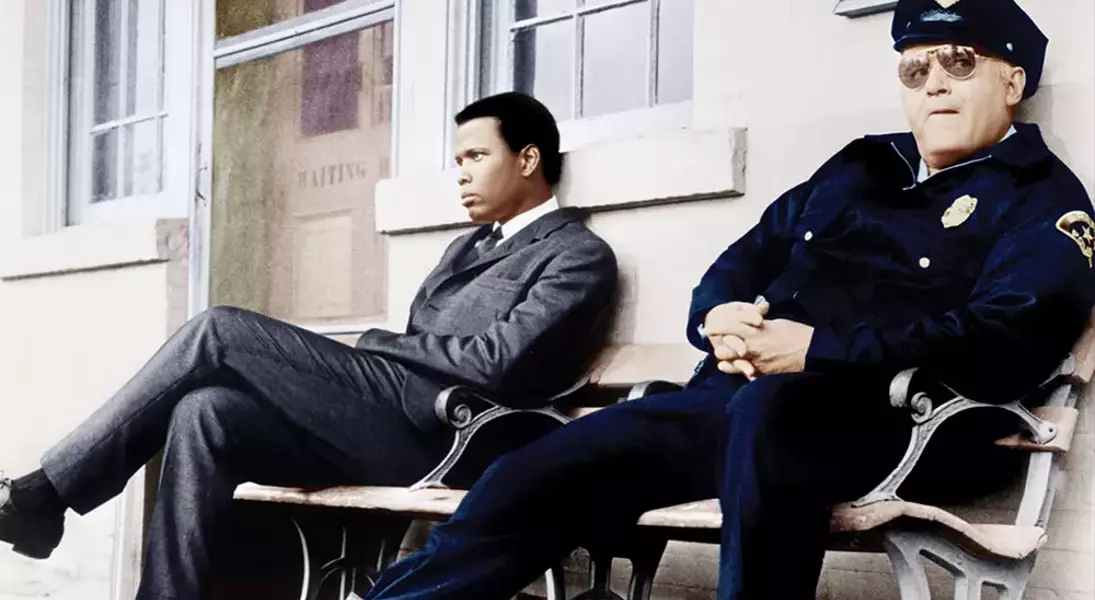
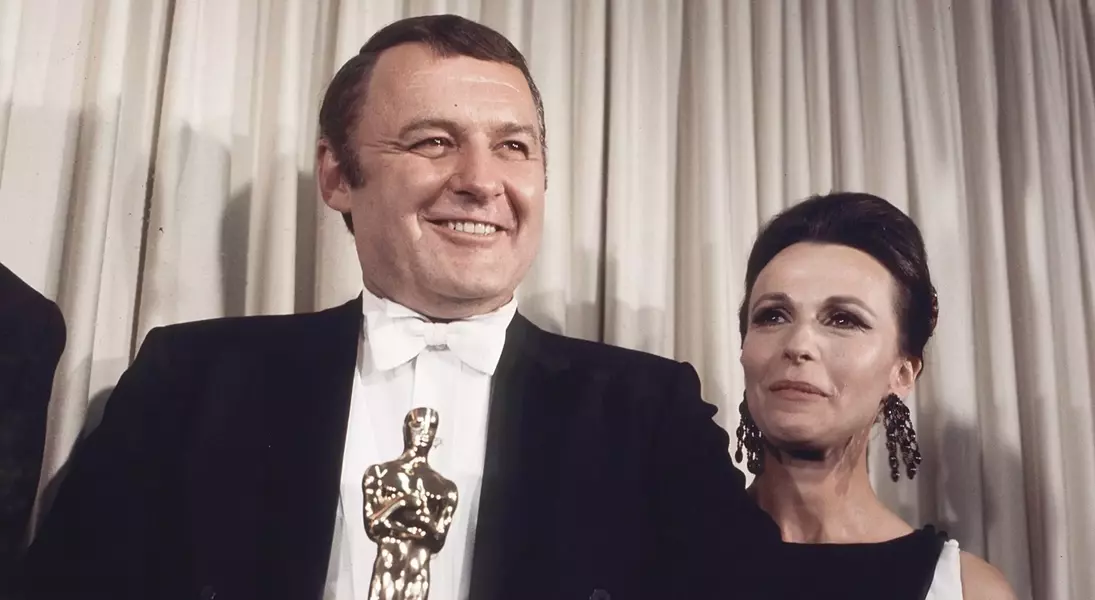
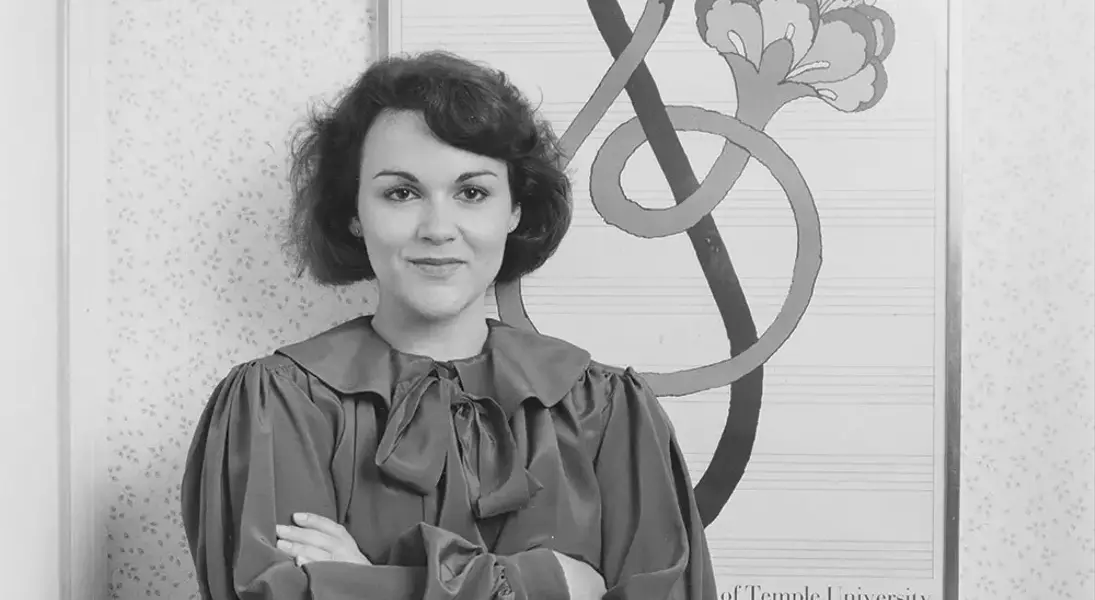
Anna Steiger, a celebrated opera singer residing in London and Paris, unexpectedly discovered that her father, the distinguished actor Rod Steiger, had his personal awards listed for sale at Julien's auction house. This realization struck her when she casually searched for his belongings after learning about the auction of Laurence Olivier's memorabilia. Among the items up for bid were the prestigious Berlin Bear, awarded for his role in "The Pawnbroker," and the David Di Donatello prize for "The Sergeant," both of which Anna firmly believes are her rightful inheritance. However, the Academy Award for Best Actor, which Rod Steiger received for his iconic performance in "In the Heat of the Night," was not among the auctioned items due to strict Academy regulations prohibiting its sale. Anna's immediate suspicion was that her stepsister had placed these awards for auction following the death of Joan Benedict, Rod's fifth and final spouse. This set Anna on a determined, almost quixotic, journey to recover these pieces of her father's legacy, comparing her situation to a Puccini opera about an inheritance dispute, with the resolution still pending.
The core of this compelling dispute lies in a 2003 legal agreement crafted after Rod Steiger's passing. This agreement stipulated that Joan Benedict would retain his awards during her lifetime but was expressly forbidden from selling or disposing of them. Upon Benedict's death, these items were to be transferred to Anna, with the further condition that Anna, too, could not sell them and was obligated to eventually bequeath them to the Motion Picture Academy or a similar institution. However, after Benedict's death in June 2024 due to stroke complications, Anna reached out to Claudia Myhers, Benedict's daughter, to inquire about the awards. Myhers' initial responses were vague, suggesting her mother might have lost or discarded them due to advanced dementia. Yet, an investigation later conducted by a private detective, hired by Anna, revealed contradictory evidence, including a text message from Myhers indicating plans to meet someone regarding "posters and awards" after her mother's death. This stark discrepancy fueled Anna's conviction that the awards were illicitly sold, leading to her frustrated attempts to halt the auction and her subsequent consideration of purchasing them herself, ultimately deciding it was a ridiculous notion despite the emotional cost.
Unraveling a Complex Inheritance Trail
The saga surrounding Rod Steiger's awards became even more convoluted as Anna Steiger uncovered the opaque dealings surrounding their auction. Her initial attempts to halt the sale by contacting Julien's auction house were met with silence. This lack of response prompted Anna to adopt a pseudonym and pose as an interested buyer, through which she learned that the seller was indeed "a family member," confirming her suspicions about her stepsister, Claudia Myhers. The Berlin Bear ultimately sold for $9,100 and the David Di Donatello for $3,900, transactions Anna views as deeply unfair. Despite the auction house's claim of reviewing provenance, Anna found their lack of engagement with her legal claims to be "shabby." This led her to engage a private investigator, whose findings corroborated her belief that Joan Benedict, despite her memory issues, valued her husband's awards, further suggesting foul play in their disposition. Myhers' subsequent denials and her challenging personal circumstances, including a difficult divorce, a partner's death, and a devastating wildfire, add layers of complexity to her actions, though Anna remains unsympathetic, viewing the situation as inherently cruel.
Anna's relentless pursuit extended to a fact-finding mission in Los Angeles, where she consulted with the Academy, learning that only direct recipients, not their children, can obtain Oscar replicas, and that the Academy would intervene only if her father's Oscar itself were offered for sale. She considered confronting Myhers directly but ultimately decided against it, wary of creating a public spectacle and recognizing the futility of such a meeting. Opting against a lawsuit, advised by legal counsel that it could be a costly and fruitless endeavor, Anna remains resolute in her moral stance. Her mother, Claire Bloom, strongly supports Anna's quest, emphasizing that it is driven by profound love and a sense of duty to preserve her father's distinguished legacy. This emotional depth underscores the article, highlighting how personal ties and the profound value of a historical record can motivate individuals to undertake extraordinary efforts, transforming a legal dispute into a poignant narrative about familial devotion and the enduring importance of an artist's heritage.
