Olmo Omerzu's latest film, 'Ungrateful Beings', initially appears to be a straightforward portrayal of a family grappling with a child's anorexia nervosa. However, it gradually deviates from this conventional path, evolving into a more distinctive, almost darkly comedic narrative. The film, partially set in Croatia and featuring English dialogue for the first time in Omerzu's work, suggests a move towards wider distribution and a larger production scope compared to his previous Czech-focused projects like 'Family Film', 'Winter Flies', and 'Bird Atlas'. Despite these expansions, the movie retains Omerzu's signature thematic and stylistic elements, particularly his exploration of troubled adolescents, dysfunctional family dynamics, and a penchant for surprising narrative shifts.
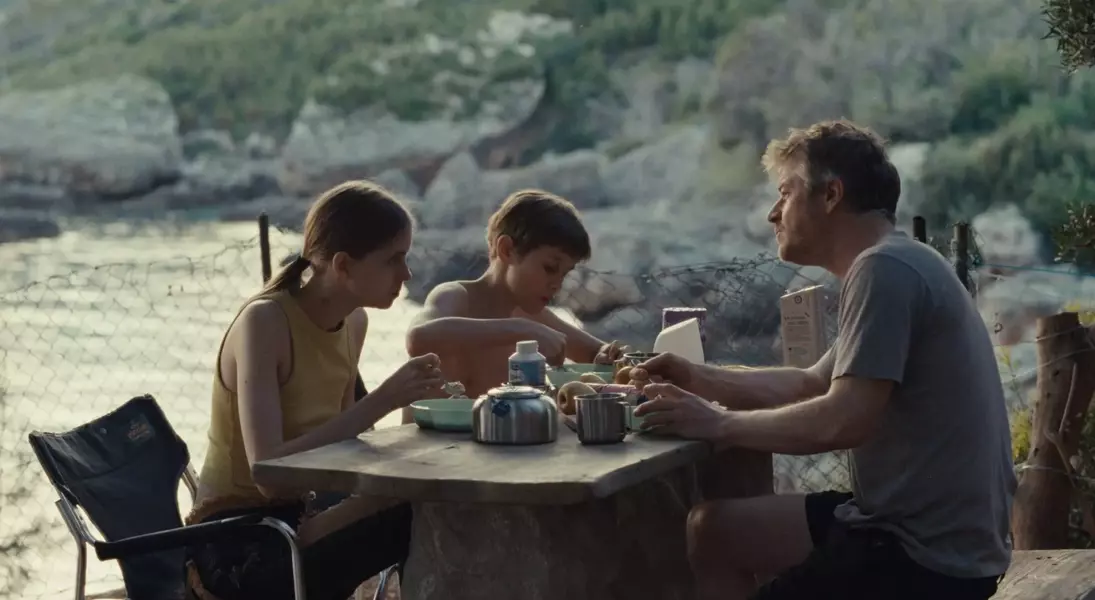
The central family unit comprises David, an English father, and his wife Laura, alongside their two children, 17-year-old Klara and 13-year-old Theo. David, portrayed by Irish actor Barry Ward, is separated from Laura, played by Slovak actress Barbora Bobulova, and they are contemplating divorce. The film begins with David taking their children on a camping trip to the Croatian coast.
During the vacation, Theo, concerned by his parents' separation, tries to be accommodating, while Klara displays significant resistance and withdrawal. Her refusal to eat more than minimal amounts of food each day indicates a severe struggle with anorexia, which previous medical interventions have failed to resolve. David's efforts to encourage her to eat are met with persistent rejection. Klara's behavior, including frequently measuring her body and taking selfies, aligns with common indicators of an eating disorder.
The narrative takes an unexpected turn when Klara, with the intense and often irrational passion typical of teenagers, becomes infatuated with Denis, a slightly older local. Denis, a charismatic blonde, captivates Klara. His background, marked by an absent mother and a strained relationship with his father, makes him particularly appealing to Klara. David initially attempts to keep Klara away from Denis but reconsiders when Denis's influence actually prompts her to start eating again. This development complicates David's protective instincts, as Klara's improved eating habits outweigh his reservations about her new relationship.
Omerzu and his creative team skillfully incorporate and then subvert typical romantic drama tropes, such as moonlit kisses. The screenplay, co-written by Omerzu, Nebojsa Pop-Tasic, and Kasha Jandackova, introduces intriguing twists, beginning with the sudden death of Denis's father, which abruptly ends the couple's romantic interlude. This event casts suspicion on Denis, leading David to hastily return home with his children to confront Laura. Initially furious about Klara's burgeoning sexuality, Laura grudgingly acknowledges that encouraging Klara to eat was the primary concern. When Klara is eventually hospitalized for anorexia, David and Laura are forced to take more drastic measures, which ironically begins to mend their own fractured relationship.
While such a storyline could easily veer into the absurd, Omerzu's masterful control of tone and the cast's compelling performances prevent this. The film's subtle interplay of revelation and concealment keeps the audience engaged. The characters are depicted as authentically flawed, embodying a complex mix of self-interest, pettiness, and self-sacrifice. The parents, in particular, undergo significant personal growth as they navigate these challenging circumstances. Omerzu's approach is characterized by a light, ironic, and gently amused touch, reminiscent of François Ozon's ability to blend humor and drama rooted in pain.
