






The Churchill Downs spring-summer meet, kicking off on April 26, is set to captivate horse racing enthusiasts. With the Kentucky Derby as its highlight and a robust schedule of races spanning until June 29, this event offers numerous opportunities for bettors and handicappers alike. The meet's unique track conditions and key players present intriguing trends that can significantly enhance one's chances of success.
Jockey and trainer performances, coupled with specific running styles favored by the track, provide valuable insights into crafting winning strategies. As the season progresses, understanding these dynamics becomes crucial in navigating the complexities of Churchill Downs' racing landscape.
Key Players Shaping the Meet
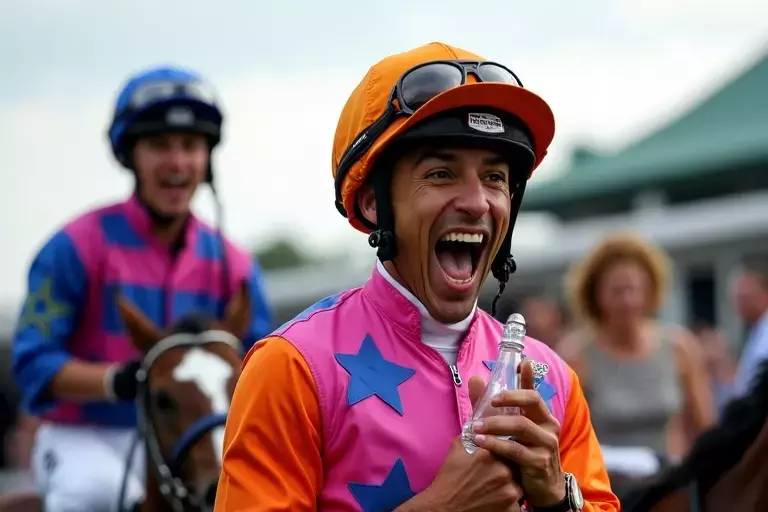
This section delves into the prominent jockeys and trainers who are expected to dominate the Churchill Downs spring-summer meet. Jose Ortiz, emerging as a leading figure, aims to secure the jockey title after tying last year with Tyler Gaffalione. However, Gaffalione's injury opens opportunities for other talented riders such as Brian Hernandez Jr., Florent Geroux, and Irad Ortiz Jr.
Among trainers, Steve Asmussen leads with an impressive record, supported by Ken McPeek, Brad Cox, and Mike Maker. Other notable contenders include Joe Sharp and Brendan Walsh, whose past performances suggest potential breakthroughs. These professionals bring distinct strengths to the table, influencing race outcomes through their strategic selections and training methodologies.
Jockeys like Edgar Morales and Luan Machado contribute to a competitive field, while trainers Greg Foley, Tom Amoss, and Bill Mott add depth with their high-percentage winners. This diverse group ensures dynamic matchups throughout the meet, offering bettors varied options to consider in their wagering decisions.
The absence of Gaffalione creates a power vacuum, encouraging other jockeys to step up and seize the moment. Similarly, trainers must adapt quickly to changing conditions and capitalize on favorable circumstances presented by the track. By analyzing past performance metrics and current form, both jockeys and trainers aim to maximize their impact during this prestigious meet.
Track Trends and Running Styles
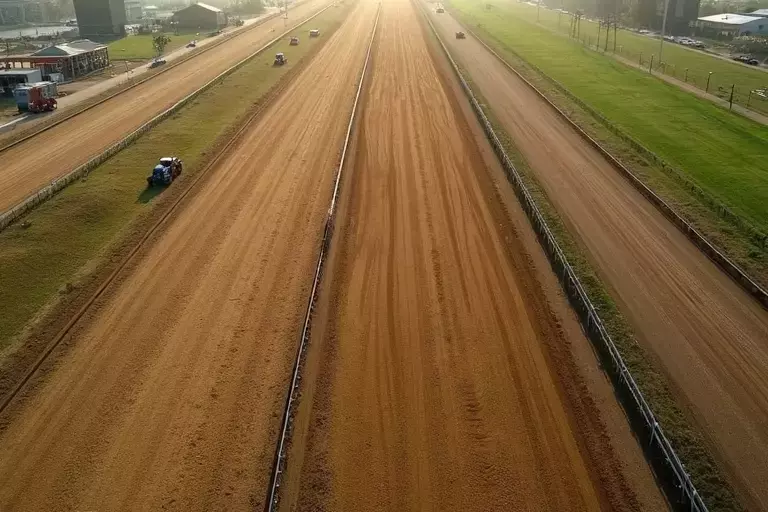
Understanding Churchill Downs' unique track characteristics is essential for successful handicapping. The dirt track exhibits varying speeds depending on seasonal weather patterns, affecting early pace and overall race dynamics. Additionally, specific distances favor certain running styles, making it critical to align horses accordingly.
In terms of turf racing, despite initial concerns over course quality, recent meets have demonstrated fairness across post positions. Running style preferences lean towards stalkers in route races, while speed prevails in sprints. Recognizing these nuances allows handicappers to refine their predictions effectively.
The dirt mile races at Churchill Downs operate uniquely due to their single-turn format, resembling sprints rather than traditional routes. Horses transitioning from shorter distances tend to perform better here compared to those cutting back from longer races. Furthermore, attention to inside/outside biases remains vital, particularly concerning the rail path which historically shows mixed results.
Turf racing presents another layer of complexity, where stalker horses excel in route races but speed dominates sprint events. Given the limited data available, focusing on horses arriving from Gulfstream Park or Fair Grounds provides additional leverage against local entries or those returning from breaks. By integrating these insights with thorough analysis, handicappers enhance their ability to make informed decisions throughout the meet.
