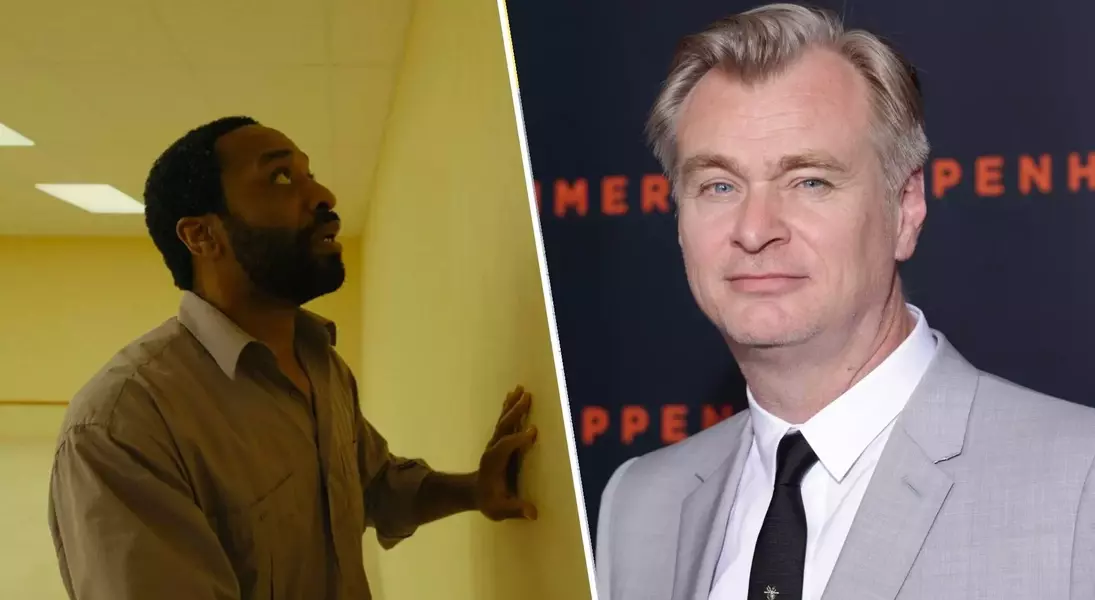
In an era witnessing an aggressive proliferation of artificial intelligence across various creative domains, celebrated director Christopher Nolan has voiced his perspective on AI's role in the film industry and the burgeoning appeal of independent horror cinema. Nolan observes a distinct rejection of AI-generated material, particularly among younger generations, signaling a renewed appreciation for authentic and tangible forms of storytelling.
Celebrated Director Christopher Nolan Discusses AI and Indie Horror Success
In a recent interview with The Telegraph, renowned filmmaker Christopher Nolan shared his insights on artificial intelligence in cinematic creation and the unexpected triumph of independent horror sensations such as "Backrooms" and "Obsession." Nolan's remarks coincide with the anticipation surrounding his forthcoming adaptation of Homer's "The Odyssey."
Addressing arguments about dwindling attention spans among younger audiences, Nolan emphatically dismissed these notions, citing the profound engagement with films like "Backrooms" and "Obsession." He commented, "These films are so mysterious and ruminative. I mean, parts of 'Backrooms' are like David Lynch at his most obscure. And yet young people can't get enough of them."
He further highlighted that directors of "Obsession," Curry Barker, and "Backrooms," Nate Parsons, have consistently prioritized practical effects. Both filmmakers have expressed public skepticism regarding the long-term viability and ethical implications of AI in the film industry. Nolan remarked on the swift and comprehensive dismissal of AI by a generation deeply immersed in online culture: "I've never seen a more rapid wholesale dismissal of a supposedly foundational jump in technology in my lifetime… Their judgment of AI slop has been immediate and harsh."
Nolan elaborated that this generation's familiarity with the online world enables them to readily identify AI-generated content. He concluded that while AI technology might not be entirely without merit, its current aggressive push into filmmaking comes at an inopportune moment. This period is marked by a growing interest in more tactile and authentic narrative approaches, diverging from years of emphasis on heavily virtual environments.
The increasing rejection of AI-generated content extends beyond film, permeating games, literature, music, and visual arts. This trend underscores the heightened value placed on analogue methods and verifiable human effort, serving as a powerful counter-narrative to the pervasive influence of artificial intelligence in contemporary creative endeavors.
Nolan's observations provide a compelling perspective on the evolving landscape of creative industries. His insights suggest that despite technological advancements, audiences, particularly the younger demographic, prioritize authenticity and human craftsmanship over expediency and artificial generation. This shift could herald a new era where genuine artistic expression and practical effects regain prominence, challenging the uncritical adoption of AI in creative fields.
