
The world of foldable phones is rapidly expanding, offering innovative designs and functionalities that challenge traditional smartphone concepts. This guide delves into the current landscape of foldable devices, categorizing them into book-style and flip-style models, and highlights the key features and considerations for potential buyers.
Unfold Your World: The Future of Mobile is Flexible
Navigating the World of Foldable Phones: Understanding the Dual Landscape
Embracing a foldable smartphone involves both exciting possibilities and certain trade-offs. These devices typically carry a higher price tag, exhibit greater weight, and often feature less advanced camera systems compared to their rigid counterparts. While their structural integrity has significantly improved since their initial release, foldables remain more susceptible to damage than standard smartphones, particularly concerning dust intrusion into the hinge mechanism. Nevertheless, for technology enthusiasts seeking cutting-edge innovation, a foldable phone can be a truly fulfilling investment.
Distinguishing Foldable Phone Form Factors: Book-Style vs. Flip-Style Designs
Currently, the foldable phone market is dominated by two primary form factors: the book-style foldable and the clamshell-style flip phone. I conceptualize the book-style foldable as a smartphone that doubles as a tablet, offering an expansive internal display for demanding tasks while maintaining a conventional outer screen for everyday use. In contrast, the flip-style foldable functions more like a smartphone enhanced by a smartwatch, featuring a compact external display for quick information access, with the full internal screen revealed upon unfolding.
The Rigorous Testing Protocol for Evaluating Smartphones
Thorough evaluation of any smartphone demands extensive, real-world usage. My process involves integrating each review unit into my daily life for at least a week, installing all my essential applications, and actively using the device for a wide range of activities. This includes intensive battery testing, utilizing GPS navigation while streaming audio during cycling, and capturing numerous portrait mode photographs of my child. This comprehensive approach ensures a complete assessment of the device's performance under various real-world conditions.
Essential Criteria for Selecting a Top-Tier Foldable Phone
When assessing foldable phones, several critical factors come into play. Beyond raw performance, consideration for exceptional software support, camera capabilities, robust build quality, and overall value are paramount. Flagship foldable phones should offer consistent software updates and security patches for several years, ensuring longevity and continued functionality. The camera system should deliver outstanding image quality, particularly in challenging lighting conditions, often featuring advanced optical stabilization and versatile lenses. Furthermore, while water resistance has become common, dust resistance remains a significant challenge for foldable devices due to their intricate moving parts. Lastly, value is not solely about the lowest price, but rather the optimal balance of features and performance for the cost, sometimes favoring slightly older or lower-tier models if they provide compelling advantages.
The Crucial Role of Extended Warranties and Durability Considerations
If you've been captivated by the allure of foldable phones and remain undeterred by their inherent vulnerabilities, then you're likely to find immense satisfaction in owning one. Having experienced a multitude of smartphones, I can attest that foldables stand among my most cherished gadgets. Their capacity to run multiple applications simultaneously, transform into mini-laptops, or even serve as camcorders offers a myriad of possibilities. The sheer delight of folding your phone shut is a novelty that rarely diminishes. However, it's highly advisable to secure an extended warranty from the manufacturer with your purchase, as repairs for these sophisticated devices can be prohibitively expensive and are often beyond the scope of general repair shops. Without such coverage, be prepared for the potential financial implications of unforeseen damage, especially from elements like sand, which can be devastating to a foldable screen.
The Leading Book-Style Foldable: Samsung Galaxy Z Fold 7
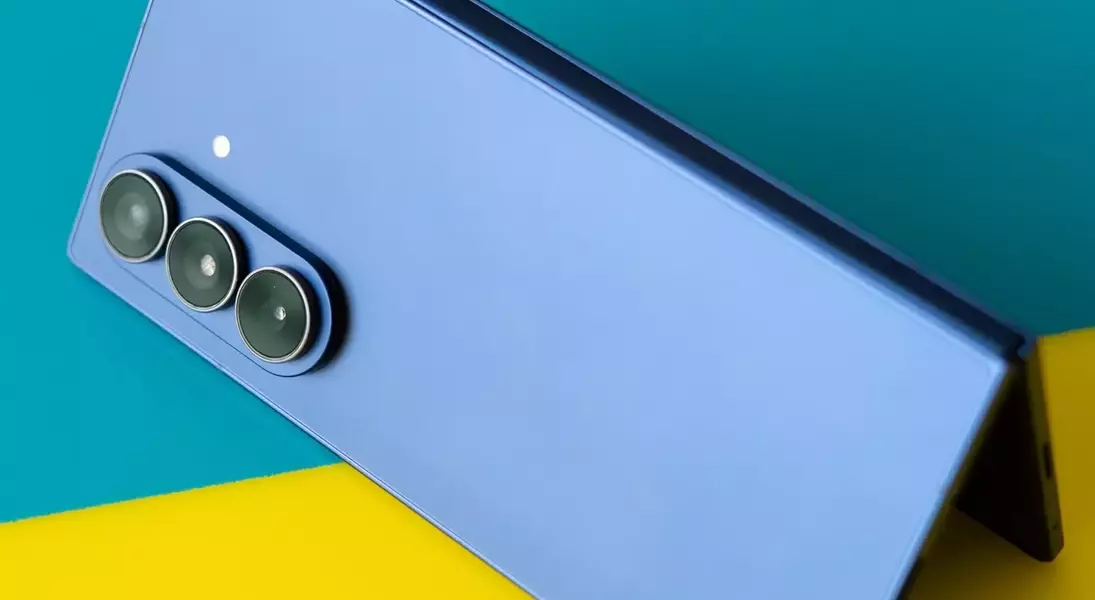
The Samsung Galaxy Z Fold 7 marks a significant evolution in book-style foldable devices, fulfilling the expectations many have had for Samsung's design. Departing from the elongated form factor of its predecessors, the Z Fold 7 embraces a more conventional 21:9 aspect ratio, enhancing its usability and making it feel less cumbersome. With a svelte 8.9mm thickness, it approaches the slimness of traditional slab phones, eliminating bulk in the pocket. Unfolding the device reveals an expansive inner display, ideal for multitasking, immersive gaming, and maximizing screen real estate. Notably, its battery life extends through a full day of moderate use, a commendable achievement for a foldable.
The Premier Flip-Style Foldable: Samsung Galaxy Z Flip 6
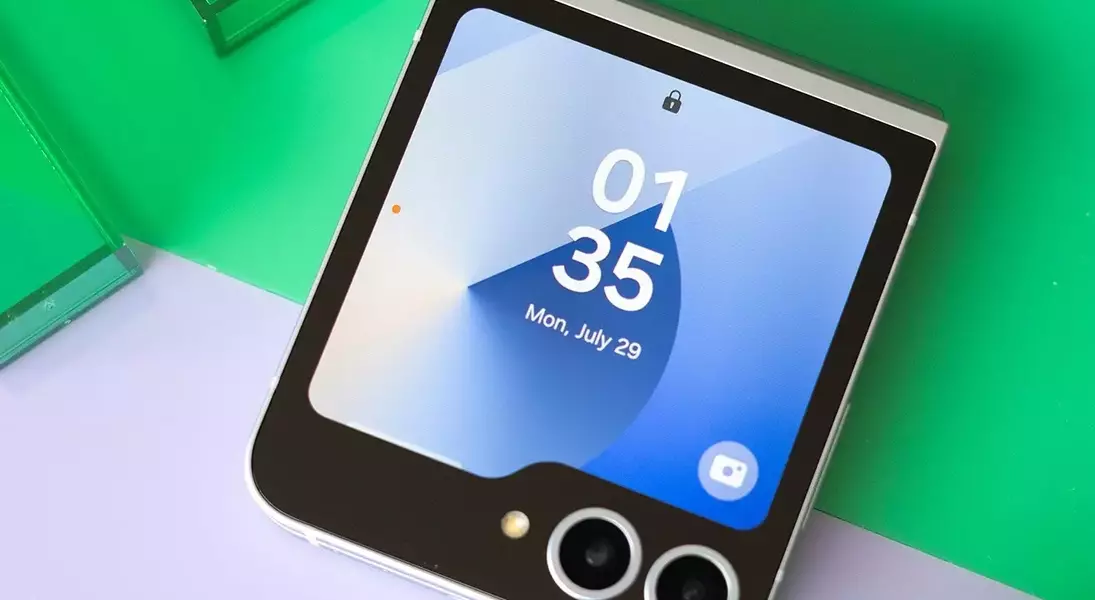
While the previous generation Flip 6 may not boast the same imaginative user interface elements as the Motorola Razr Ultra, and its folder-shaped external screen might feel more constrained than Motorola's full-front approach (excluding camera cutouts), it offers superior reliability and a commitment to seven years of software updates. Samsung's comprehensive extended warranty further enhances peace of mind. Although these attributes may not be the most exciting, their practical importance is undeniable. The Flip 6 continues to demonstrate Samsung's extensive expertise in the flip phone category, integrating thoughtful enhancements such as a true always-on display for the cover screen and a refined user interface for streamlined widget integration. While its cameras are competent, they don't surpass the best in its price range, but the device comfortably provides all-day battery life. The IP48 rating offers a degree of protection against small particles, though dust remains a concern. Power users will benefit from downloading Good Lock to fully customize the cover screen, but the device is fully functional for less tech-savvy users out of the box. While perhaps not groundbreaking, its dependable performance is a strong advantage. It is important to note that the upcoming Galaxy Z Flip 7, currently undergoing testing, promises a proper edge-to-edge cover screen, an even slimmer profile, a larger 4,300mAh battery, DeX support, and integrated Gemini AI features on the cover screen, suggesting a substantial upgrade.
The Most Engaging Foldable Experience: Motorola Razr Ultra (2025)
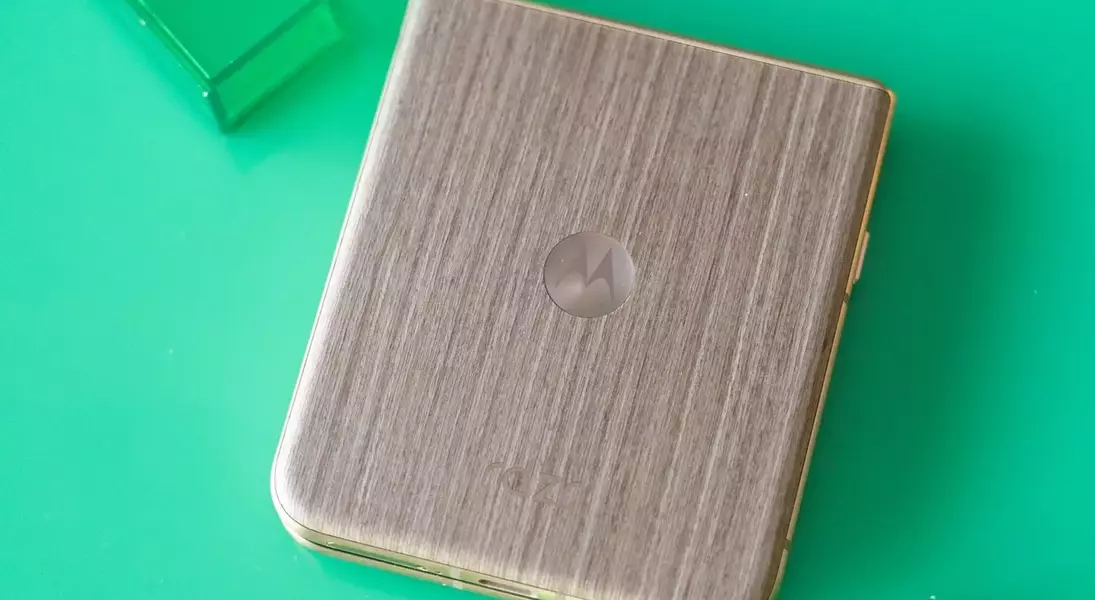
The Motorola Razr Ultra stands as the pinnacle of Motorola's foldable range, representing its newest and most advanced offering. It surpasses the Razr Plus with a higher-resolution internal display, Qualcomm's leading mobile processor, double the storage capacity, and an enhanced selfie camera. Visually, the device is among the most striking smartphones available, with its gold-bronze chassis and wooden back panel imparting a distinct elegance. In a market where many phones share similar aesthetics, even within the foldable segment, the Razr Ultra truly distinguishes itself, adding to its allure. Beyond its aesthetic appeal, the Ultra delivers a genuinely enjoyable user experience. Its expansive 4-inch outer screen covers nearly the entire front of the device, making it exceptionally convenient for managing notifications, responding to messages, and performing quick actions like ordering a ride. The titanium hinge represents a notable improvement over the stainless steel found in the Razr Plus. Despite its delightful qualities, the Ultra does carry forward some familiar challenges from previous Motorola foldables, including inconsistent camera processing. Furthermore, Motorola's commitment to only three operating system upgrades and four years of security updates is relatively short for a device retailing at $1,300.
Unrivaled Battery Endurance in a Foldable: Oppo Find N5
Before delving into its merits, it's crucial to address a significant limitation: the Oppo Find N5 is not available in the US or Europe, excluding a substantial portion of the global market. However, for consumers in China, Singapore, and other Asian regions where Oppo has launched this device, it presents an exceptional opportunity to acquire one of the slimmest book-style folding phones globally, sparking envy among those in inaccessible markets. The Find N5's appeal extends beyond its svelte profile. Equipped with a potent Qualcomm Snapdragon 8 Elite chipset, the device delivers robust performance, boasts full water resistance, and, notably, offers outstanding battery life. Its innovative silicon-carbon battery technology enables the integration of a substantial 5,600mAh battery (by foldable standards), effortlessly sustaining power through a day of demanding usage. What's even more impressive is that, similar to the Z Fold 7, the Find N5 maintains a thickness barely greater than a standard slab-style phone and is only marginally heavier. This design choice is particularly advantageous when using the device unfolded for extended periods or when carrying it in tight-fitting attire. The ability of a foldable to closely match the weight and bulk of a conventional smartphone creates a feeling of gaining a remarkable advantage without significant compromises. Oppo achieves this magnificently, leaving many to wish for its broader availability.
Other Notable Foldable Devices to Explore
Beyond the highlighted models, several other foldable phones merit consideration for their unique features and offerings. The OnePlus Open impresses with its balanced form factor and intelligent multitasking interface, garnering considerable praise, although it lacks wireless charging and full water resistance, offering only splash resistance. Its software support policy also falls short of Google's and Samsung's commitments. The Huawei Mate XT, a "trifold" phone with three screen segments and two hinges, represents a distinct category, showcasing an impressive design despite its exclusive availability in China and a few other non-Western markets and its premium price point of €3,499. This device may hint at future trends in foldable technology. The newly released Motorola Razr Plus 2025 features a titanium hinge for improved durability and a less noticeable screen crease, along with an IP48 dust and water resistance rating, making it a compelling alternative to the Ultra model. For those seeking a more affordable entry into the foldable market, the standard Motorola Razr 2025, priced at $699, offers enhanced performance, battery life, and durability compared to its predecessors. While its cover screen is smaller, it retains a spacious 6.9-inch internal display. Lastly, Google's Pixel 9 Pro Fold is a strong second-generation attempt, providing an ideal form factor with a functional outer screen that mimics a regular phone and a bright internal display. Despite its light weight for a foldable, its camera system is slightly less advanced than its traditional smartphone counterparts, and the absence of formal dust resistance remains a long-term durability concern.
The Horizon of Foldable Technology: What's Next in Innovation
Google has scheduled an event for August 20th, where further details about the forthcoming Google Pixel 10 series are anticipated. While Google has already offered a preview of the standard Pixel 10 prior to the launch, information regarding a new foldable device is still awaited. Rumors indicate that Google is preparing to release the Pixel 10 Pro Fold, which could potentially feature an IP68 rating, directly addressing a common concern regarding the long-term durability of foldable devices.
