
In the dynamic world of Android smartphones, consumers are presented with a wealth of choices, ranging from devices packed with every conceivable feature to those offering exceptional performance at a mid-range price. This comprehensive guide highlights the top Android phones of 2025, offering detailed insights into their capabilities and helping users make informed decisions. Key considerations include screen quality, camera prowess, device longevity, and convenient charging solutions. While the Android ecosystem boasts incredible diversity, particularly compared to its iOS counterpart, geographical market limitations mean that some brands remain inaccessible to US consumers. Despite these constraints, the current selection provides outstanding options for every need and budget, emphasizing the importance of understanding device terms, especially when considering carrier-subsidized offerings versus unlocked purchases for maximum flexibility.
As technology continues to advance, the landscape of mobile devices is constantly evolving. AI integration, while a significant buzzword, has yet to fully transform the smartphone experience, though specific AI-driven features like intelligent photo tagging and real-time call translation show promise. Users are advised to prioritize practical improvements over unsubstantiated AI claims. The rigorous evaluation process for these smartphones involves extensive real-world testing, focusing on daily usability, battery endurance, navigation accuracy, and photographic capabilities across various conditions. For those seeking a device that stands the test of time, factors such as strong IP ratings, durable materials, and extended software update commitments from manufacturers like Google and Samsung are crucial. Ultimately, whether opting for a compact, full-featured, or ultra-fast charging device, the market offers compelling choices that cater to diverse preferences and usage patterns.
Selecting Your Ideal Android Companion
Choosing the perfect Android smartphone in 2025 can feel like an arduous task given the expansive array of options. Unlike the more limited selection in the iPhone world, Android offers a diverse spectrum of devices, from cutting-edge flagships to budget-friendly models, many of which now feature innovative designs like foldable screens. This guide aims to simplify that decision-making process by spotlighting the standout Android phones available today, focusing on what truly matters to users. The current market presents excellent choices for every type of user, whether they seek a device with every high-end feature imaginable or one that delivers robust performance without breaking the bank. It's a matter of aligning the phone's capabilities with individual preferences, usage habits, and budget.
When evaluating these devices, critical aspects include display quality, camera system performance, and long-term viability. For instance, a superior display typically boasts high resolution, a smooth refresh rate of at least 120Hz for fluid interactions, and adaptive refresh rates to conserve battery. Camera capabilities are assessed not just in ideal lighting but also in challenging low-light and high-contrast environments, with emphasis on image stabilization and versatile lens configurations. Longevity is another key criterion, considering factors such as robust construction (e.g., IP68 water and dust resistance, durable glass and aluminum frames) and, crucially, manufacturer commitments to extensive software and security updates—some now promising up to seven years. Wireless charging, while not universally present, is increasingly becoming a desired convenience. This comprehensive approach ensures that recommended phones offer a balanced blend of features, performance, and durability to suit a wide range of consumer needs.
Unpacking the Top Contenders and Emerging Trends
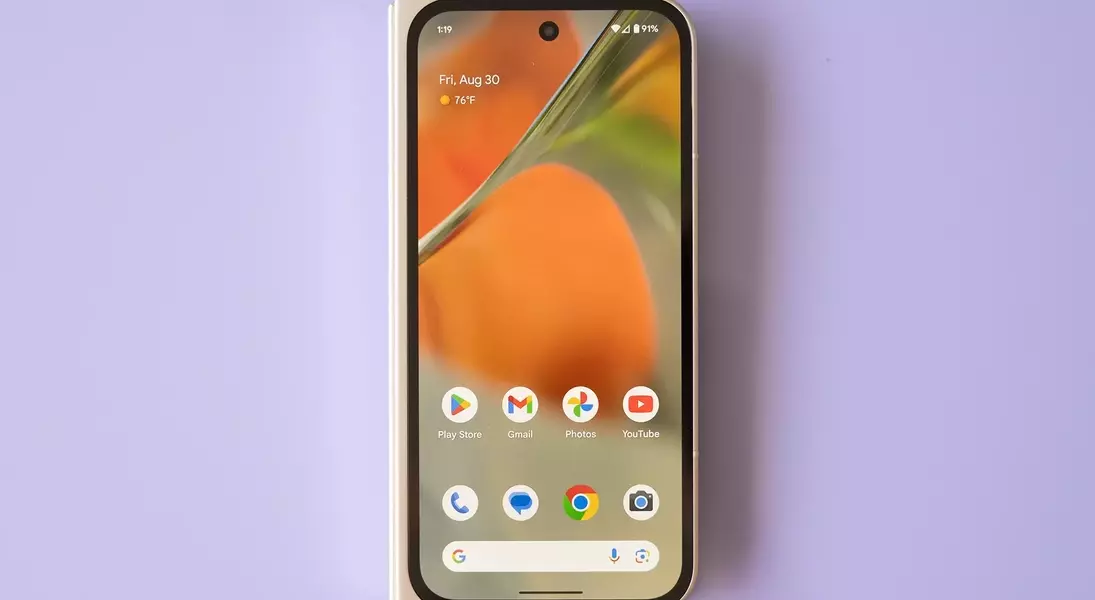
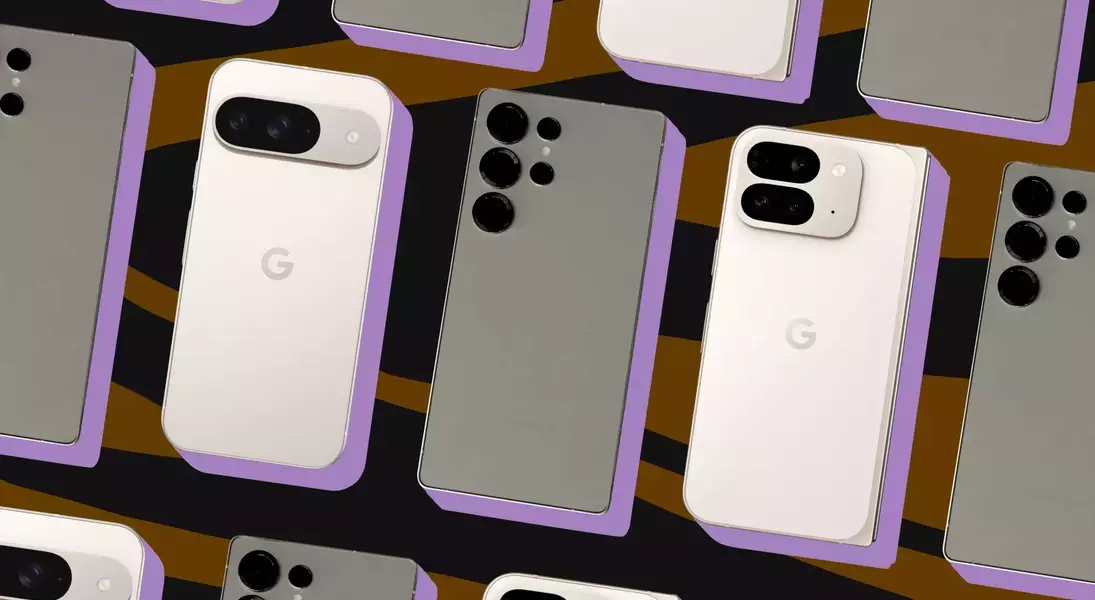
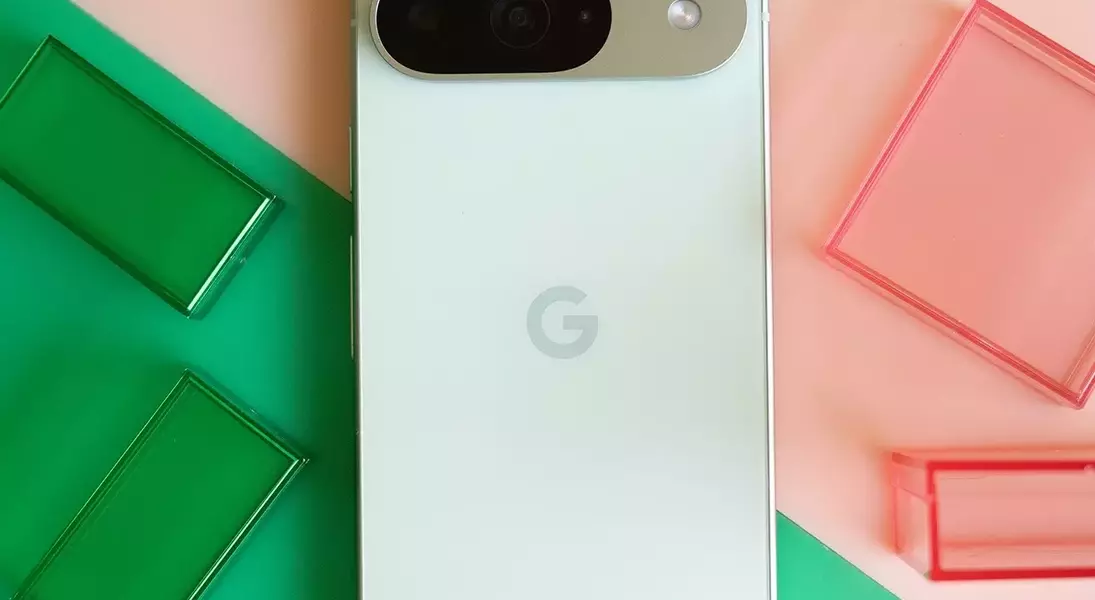
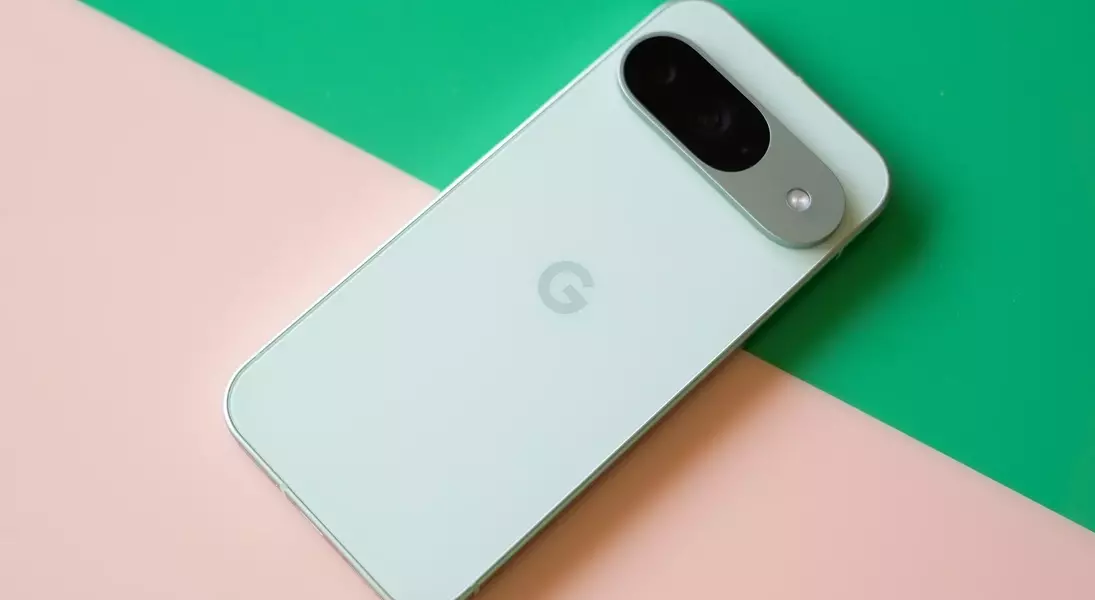
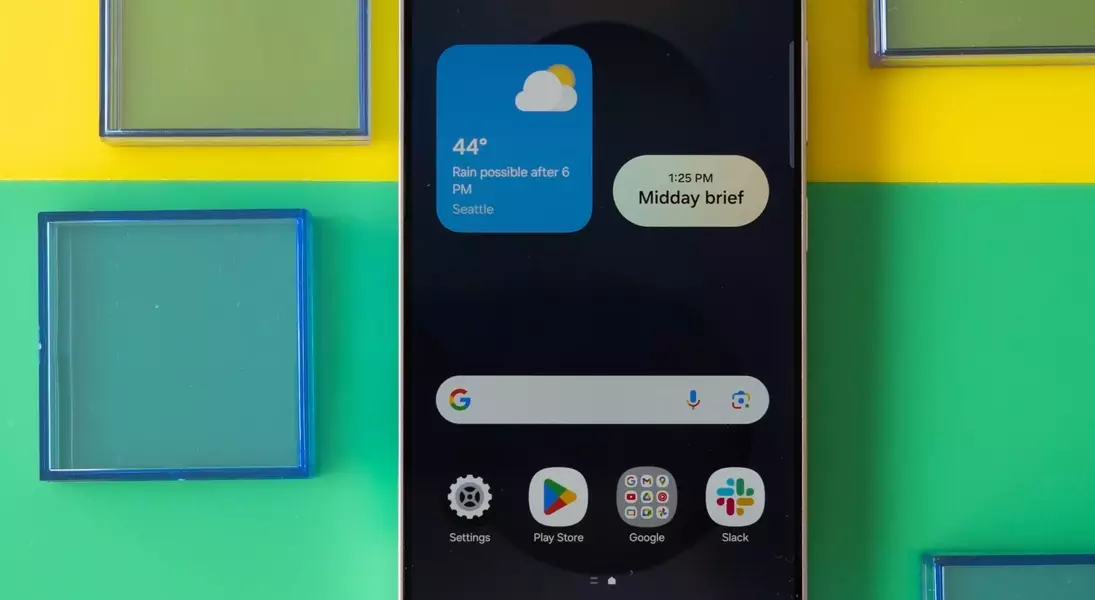
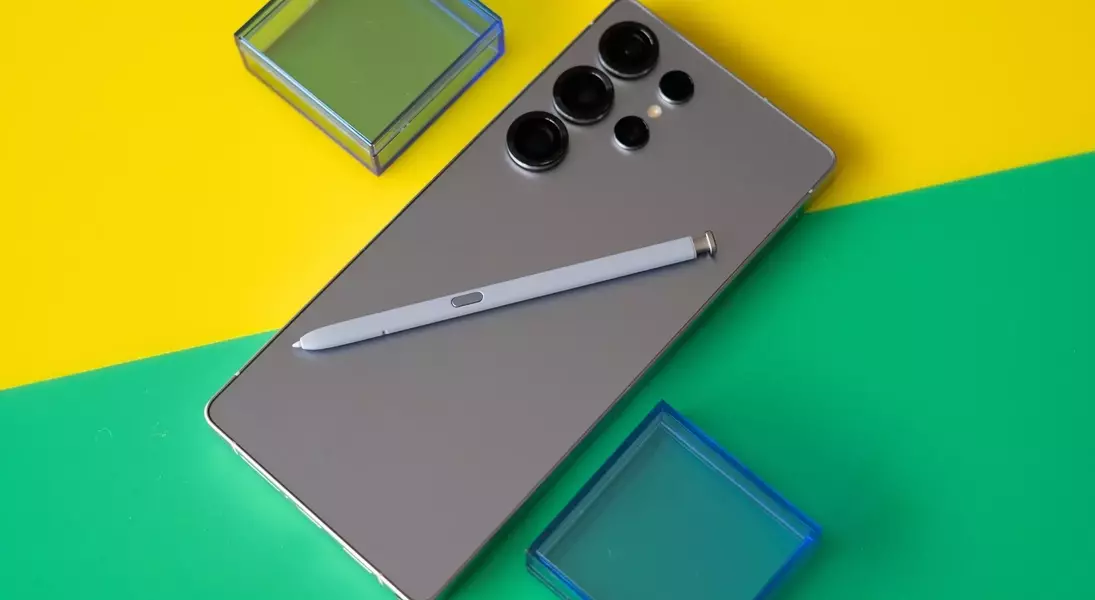
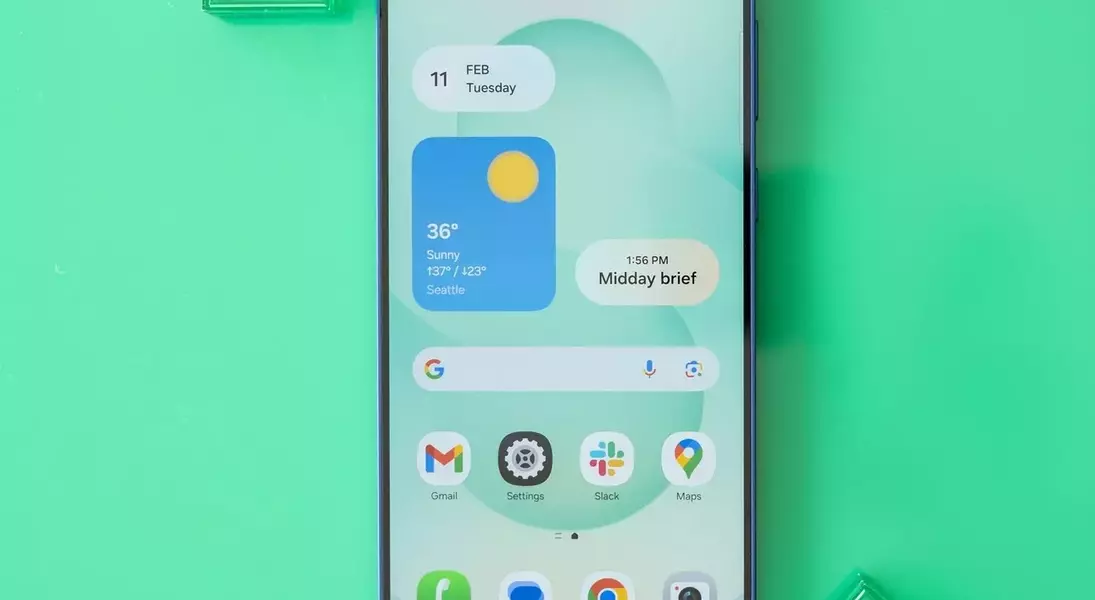
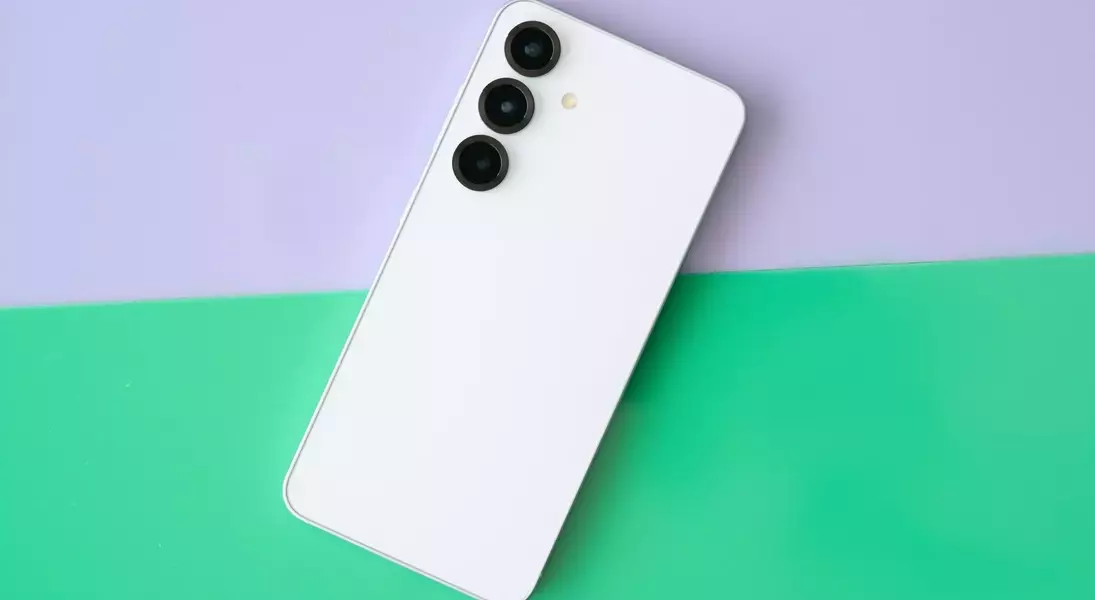
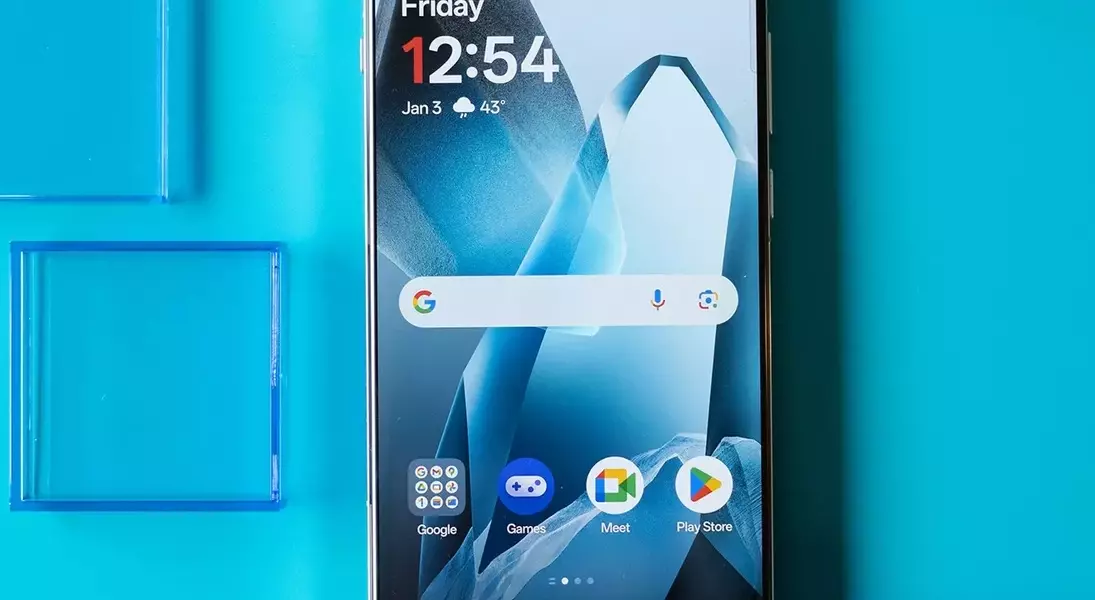
The Android smartphone landscape in 2025 is marked by impressive advancements, with several devices standing out for their specific strengths. Google's latest Pixel offerings, for example, have matured significantly, presenting a polished user experience and excellent value, especially the base Pixel model for those who prioritize a reliable camera and long-term software support. Samsung continues its reign with the Ultra series, delivering a maximalist approach that integrates a stylus, multiple telephoto lenses, and a large, vibrant display, appealing to users who desire every conceivable feature. However, the premium price point and substantial size of such devices mean they are not for everyone. For consumers in search of a smaller form factor that doesn't compromise on flagship features, Samsung's standard Galaxy S25 emerges as a top choice, uniquely offering a balanced blend of portability and high-end specifications, including a true telephoto lens.
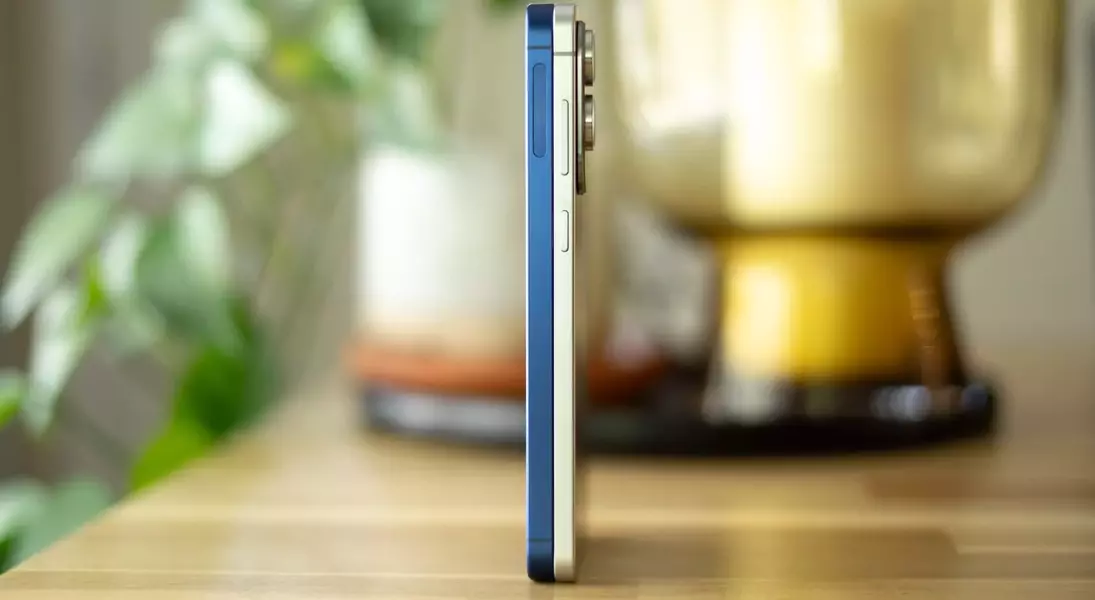
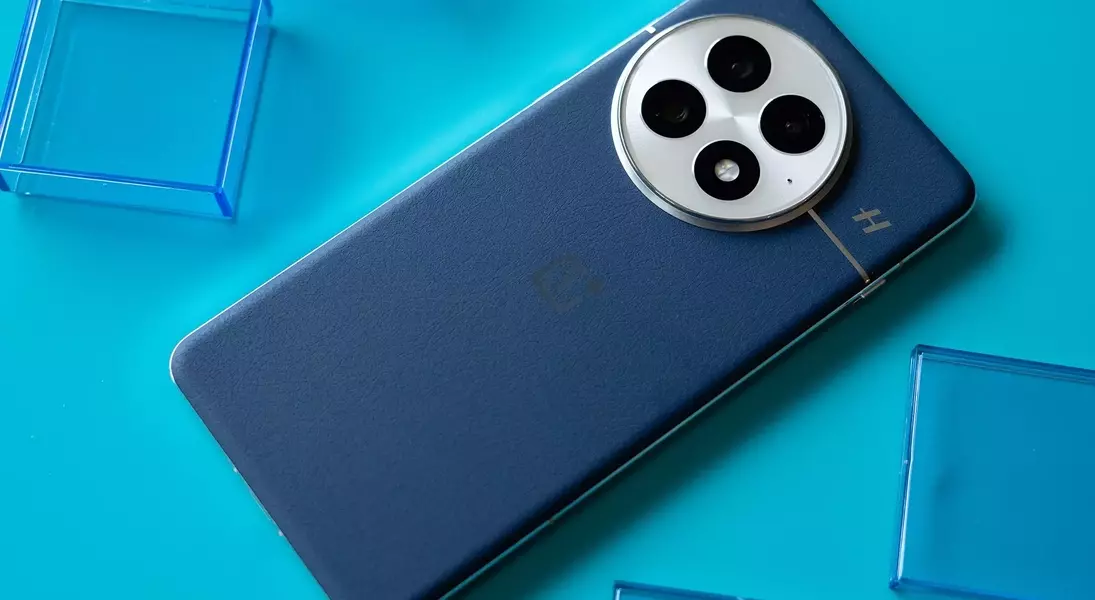
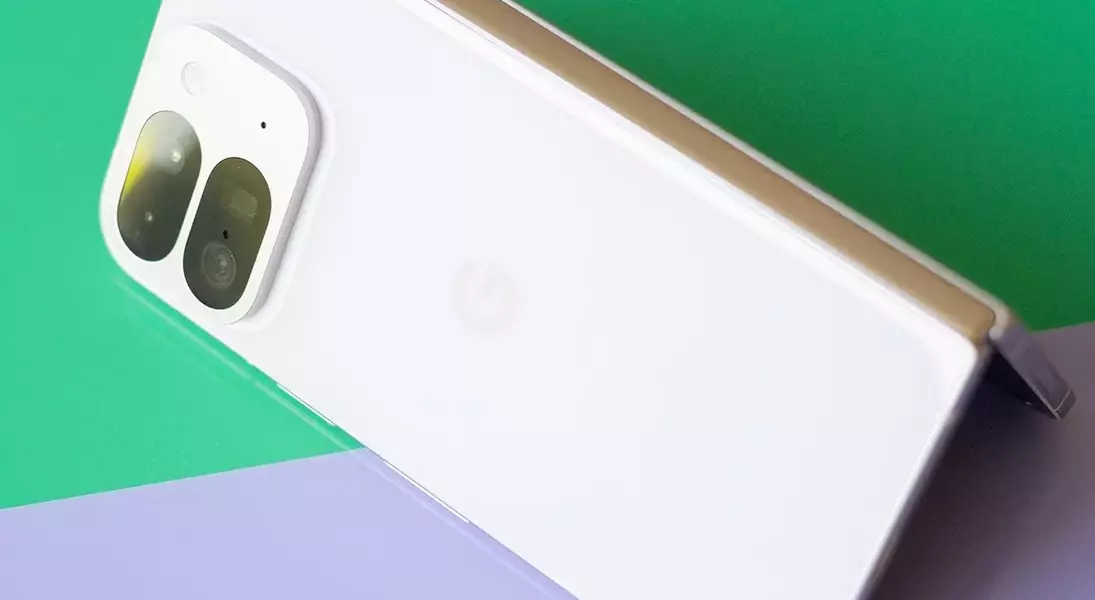
Beyond these established players, other notable innovations include Samsung's S25 Edge, which offers a refreshingly slim and lightweight design for a large phone, making it more manageable for daily use despite some compromises in battery life and telephoto capabilities. For those who detest frequent charging, the OnePlus 13 provides exceptional battery endurance and ultra-fast charging, with an included charger, setting it apart in terms of power convenience. The foldable phone segment is also gaining traction, with Google's Pixel 9 Pro Fold offering a highly usable outer screen and a seamless folding experience, though at a considerable cost and with questions regarding long-term durability. Emerging contenders like the Nothing Phone 3 and new foldable iterations from Samsung signify a dynamic market, constantly pushing boundaries in design, performance, and user experience, while Google's upcoming Pixel 10 series promises further AI enhancements and camera improvements across its lineup.
