Ensuring children receive adequate nutrition can be a challenging task, particularly when their diets lack variety. Multivitamins offer a valuable solution to bridge potential nutritional gaps, providing parents with peace of mind. This article delves into various types of children's multivitamins, evaluating them based on their nutrient composition, ingredient quality, independent verification, and suitability for different preferences like gummies, chewables, liquids, and powders. The selection process prioritized products that deliver a balanced blend of essential nutrients in appropriate dosages, while also considering cost-effectiveness and absence of common allergens.
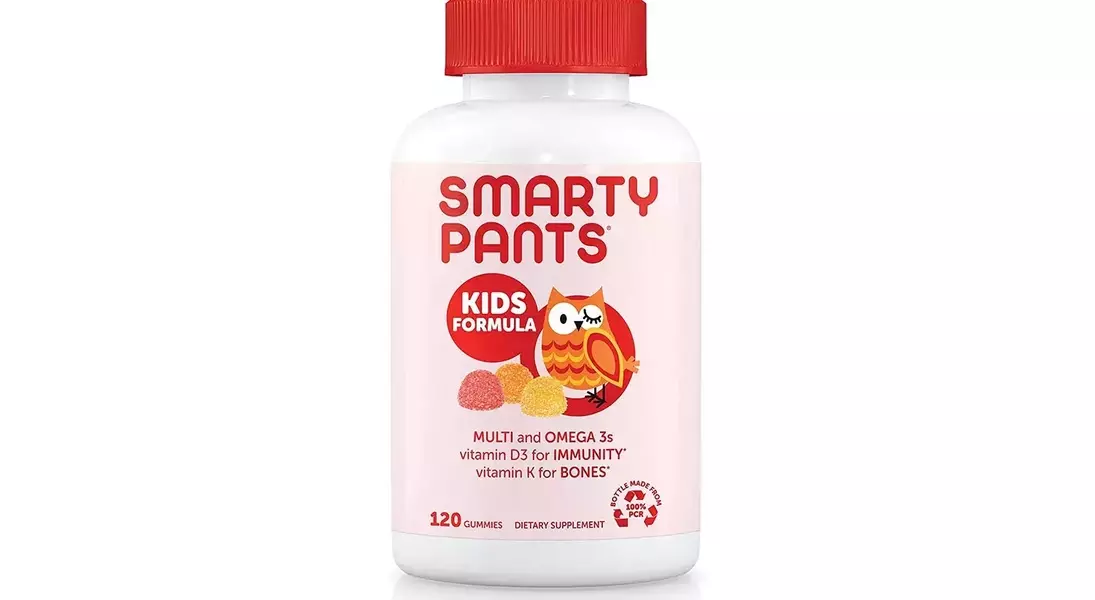
One standout product is the SmartyPants Daily Gummy Multivitamin, lauded for its independent verification, allergen-free formulation, and inclusion of vital omega-3 fatty acids, crucial for brain and eye development in children. While many children's diets are deficient in omega-3s, this gummy provides a convenient way to supplement. It features a broad spectrum of vitamins (A, C, D, E, K, B vitamins) along with iodine and zinc, all within safe daily value limits. Its NSF Contents Certified and Clean Label Project Purity Award endorsements underscore its commitment to quality and purity. However, it's worth noting its added sugar content and the relatively low omega-3 dosage compared to daily recommendations, suggesting that additional omega-3 sources might be necessary.
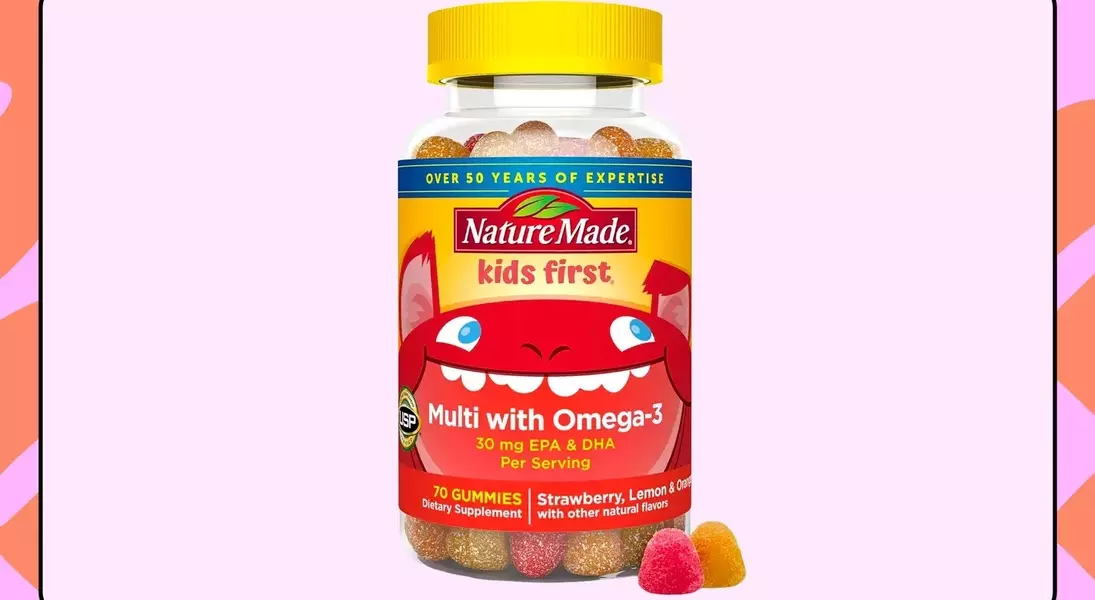
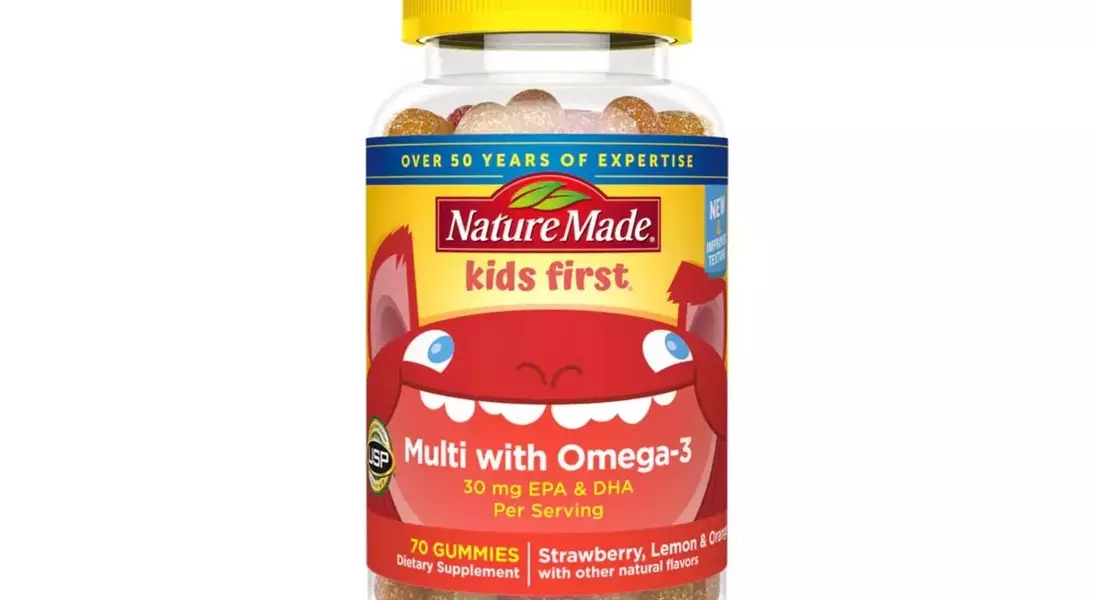
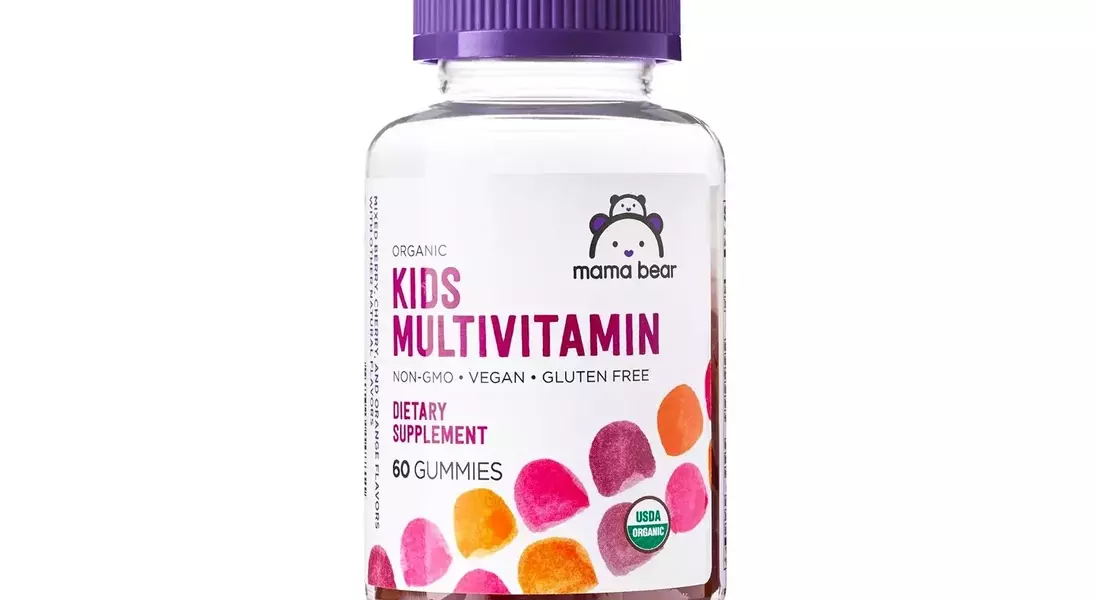
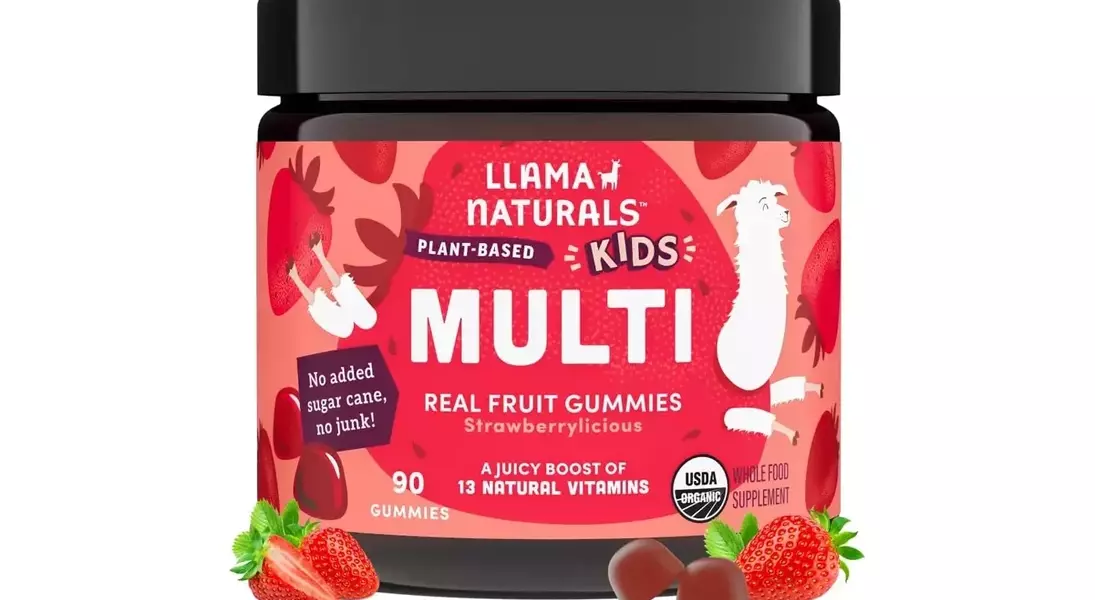
For budget-conscious families, Nature Made Kid’s First Multi with Omega-3 offers a cost-effective yet high-quality option. It's independently verified by USP and provides key nutrients like vitamins A, C, D, E, folate, zinc, and omega-3s in a single gummy. While it contains a respectable amount of vitamin D3, B12, and folate, its omega-3 content is minimal, requiring other sources to meet recommended daily intake. Meanwhile, the Mama Bear Kids Multivitamin emerges as the top organic choice, praised for its taste and value, despite lacking independent verification and omega-3s. Its organic, vegan, and gluten-free attributes, coupled with natural fruit sweeteners, make it an attractive option for many.
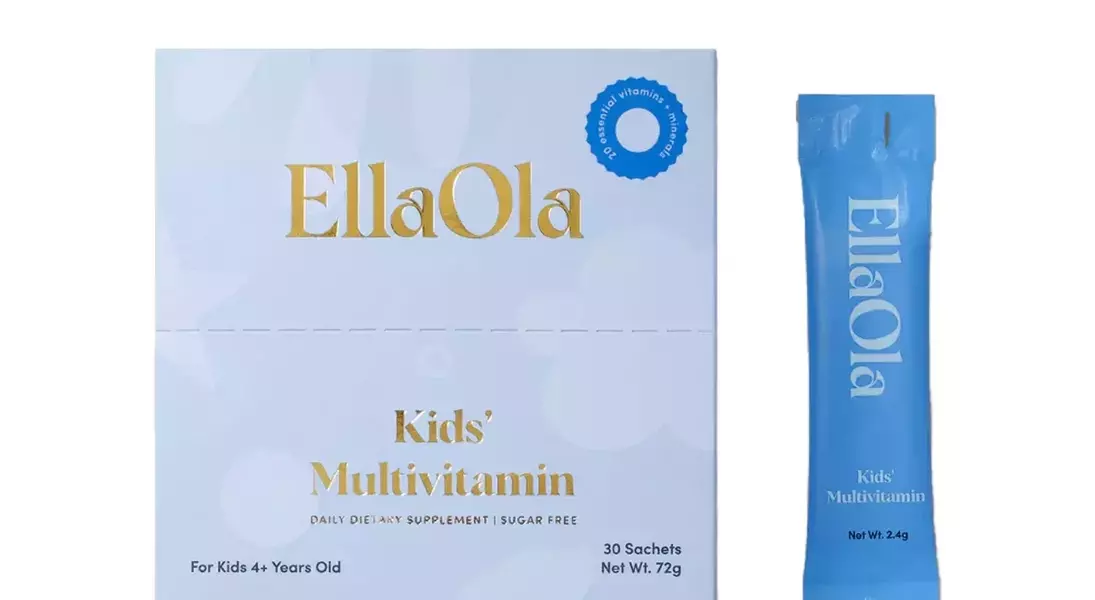
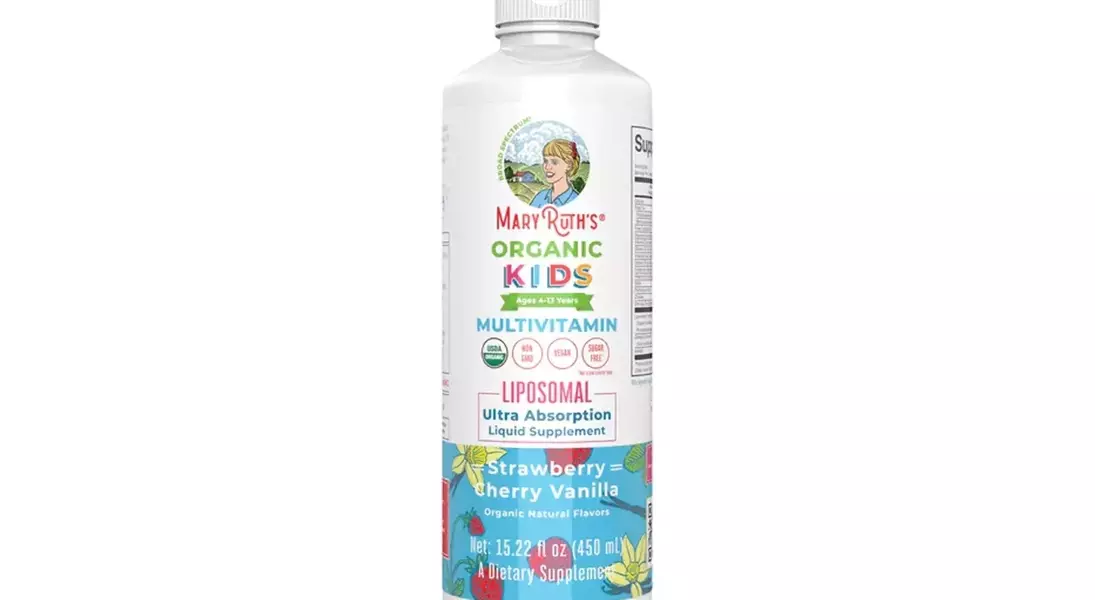
Beyond gummies, EllaOla Kids' Multivitamin provides a versatile powdered form that can be easily incorporated into drinks or soft foods, ideal for children with sensory sensitivities or picky eating habits. Formulated by pediatricians and dietitians, it includes 19 essential vitamins and minerals, an organic fruit and veggie blend, and is independently verified. Notably, it contains copper and choline for brain development, which are often absent in other brands. Conversely, Mary Ruth’s Kids Organic Multivitamin Liposomal offers a liquid alternative, distinguished by its liposomal formulation for enhanced absorption. While its daily value percentages might seem lower, its superior bioavailability means more nutrients are effectively utilized by the body. This organic, independently verified liquid vitamin is free from added sugars and common allergens, though its syrup-like texture may not appeal to all children.
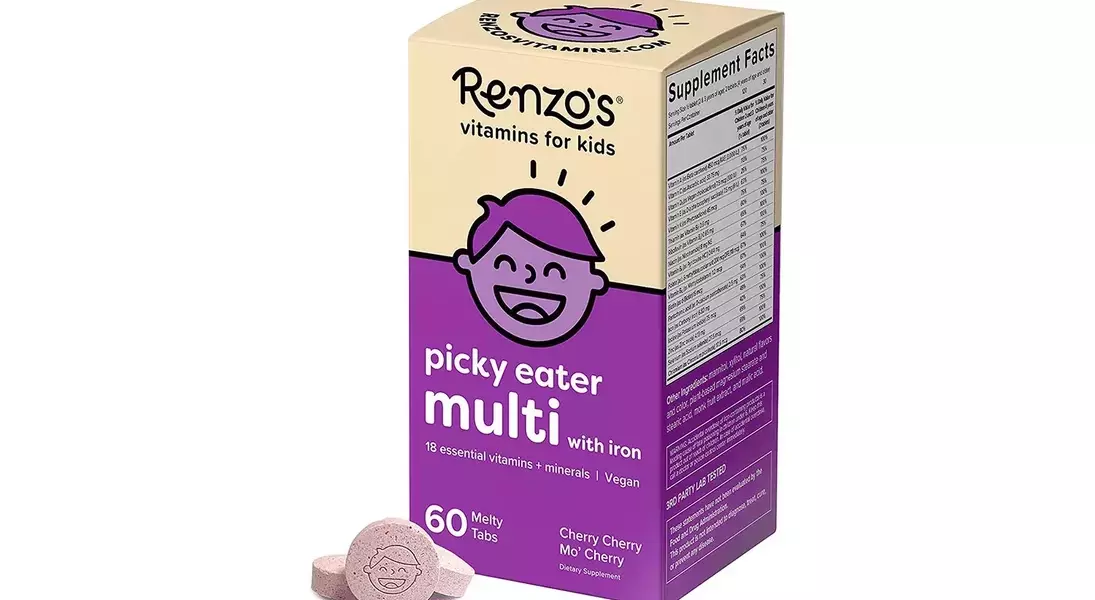
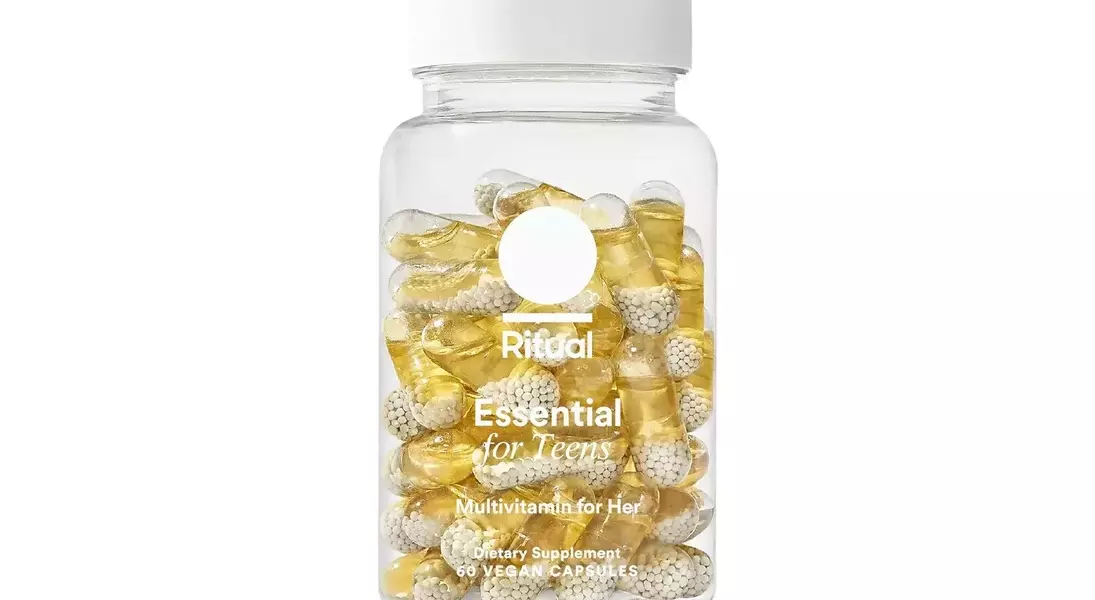
For children needing a robust nutrient boost, especially picky eaters, Renzo’s Picky Eater Multi with Iron stands out. This comprehensive multivitamin provides a high percentage of 18 essential vitamins and minerals, including iron, and is produced in an NSF-certified facility. Its sugar-free, dissolvable tablet format addresses concerns about dental health associated with gummies. Lastly, Ritual Essential for Teens caters to adolescents with gender-specific formulations, providing nutrients often lacking in teenage diets, like iron for girls. Ritual emphasizes ingredient traceability and third-party verification, using methylated forms of B vitamins for optimal absorption. While not a complete multivitamin, it strategically targets common deficiencies, making it a thoughtful choice for this age group.
When selecting a multivitamin for your child, several factors warrant consideration. First, determine the most suitable form for your child's preferences, whether it's a chewable, liquid, or dissolvable tablet. Next, examine the nutrient amounts and percentages of the Daily Value (DV) to ensure they align with your child's age, gender, and individual needs. Pay attention to allergen information if your child has sensitivities. Prioritize products that are independently verified for purity and potency, as the FDA has minimal oversight over dietary supplements. Remember that supplements are intended to complement a balanced diet, not replace it. Consulting a healthcare professional, such as a dietitian, can provide personalized guidance on specific nutrient needs and product recommendations for your child's overall health and well-being.
