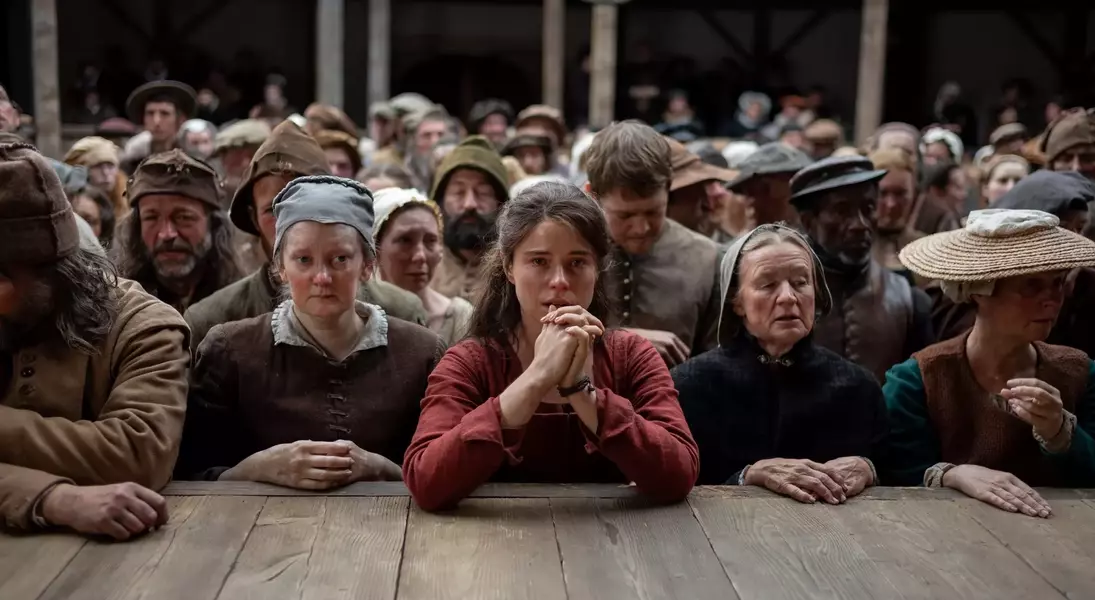
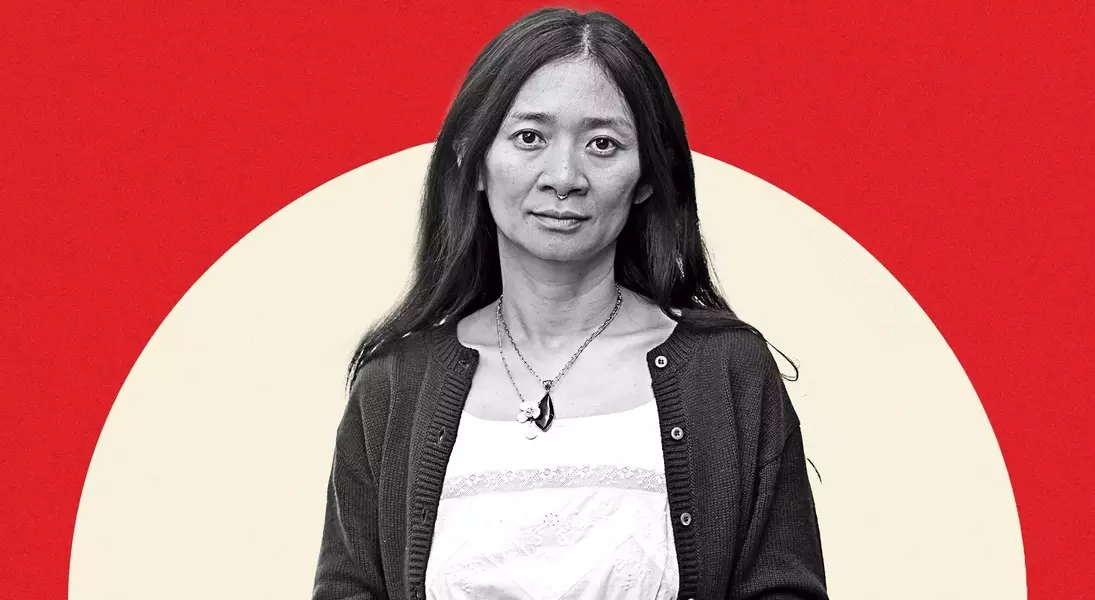
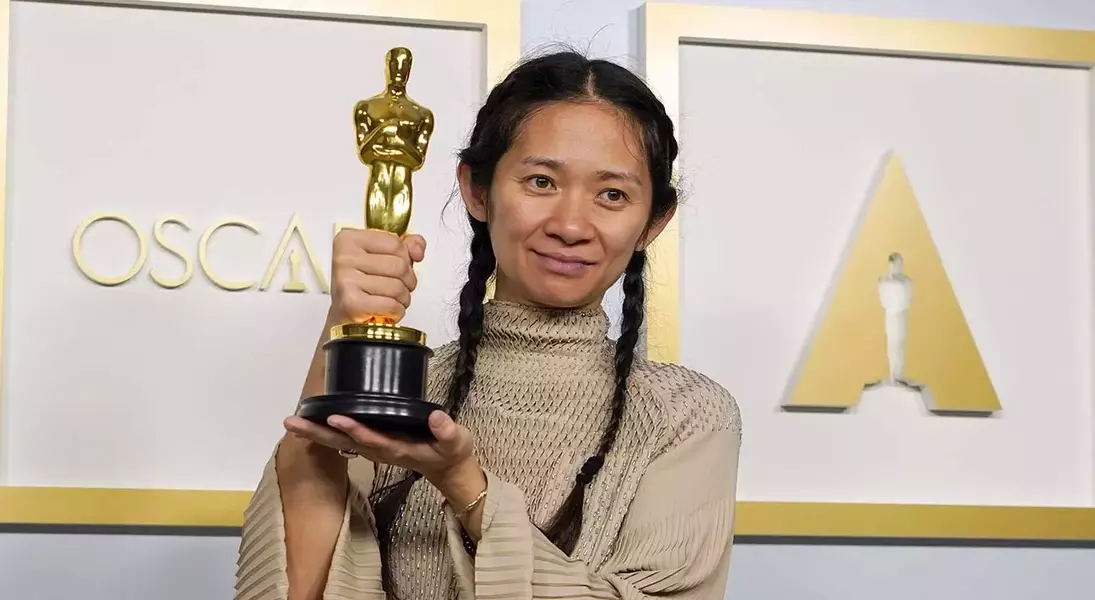
Chloé Zhao, the acclaimed filmmaker behind \"Nomadland\" and \"Eternals,\" makes a highly anticipated return to the cinematic landscape with her latest endeavor, \"Hamnet.\" This film, an adaptation of Maggie O'Farrell's celebrated novel, delves into the profound themes of love, grief, and the creative process, offering a fictionalized account of William Shakespeare's life, particularly in the wake of his son Hamnet's death. Zhao's return follows a four-year hiatus, during which she sought personal decompression and a deeper connection to her artistic pursuits. The film's premiere at the Toronto International Film Festival (TIFF) has been met with critical acclaim, largely due to the compelling performances of Paul Mescal and Jessie Buckley, who portray Shakespeare and his wife Agnes, respectively. Zhao emphasizes that this project felt less like a choice and more like a calling, a narrative that chose her during a period of significant personal and professional evolution. Her philosophical approach to the story, combined with the undeniable on-screen chemistry of her lead actors, promises a moving and insightful exploration of human emotion and artistic inspiration.
\"Hamnet\" is not merely a historical drama but a poignant meditation on how profound personal loss can ignite an unparalleled creative force. Zhao's vision transforms the tragic loss of Shakespeare's son into the genesis of his masterpiece, \"Hamlet,\" portraying the interplay between profound suffering and artistic transcendence. The director's discussions reveal a deep reverence for the source material and a personal journey of understanding the complexities of \"Hamlet\" through O'Farrell's narrative. The film's production, backed by industry giants like Steven Spielberg and Sam Mendes, underscores its significance, yet Zhao maintains an intimate, almost parental, connection to the project, embracing its imperfections as part of its unique identity. Her reflections on the filmmaking process, the collaborative spirit with her cast and crew, and the vital role of film festivals in fostering artistic communities highlight her enduring passion for storytelling and her commitment to creating meaningful cinematic experiences.
The Genesis of 'Hamnet': A Director's Return and Philosophical Approach
Chloé Zhao's journey back to feature filmmaking with \"Hamnet\" marks a significant moment in her career, characterized by a deliberate four-year pause for personal and creative rejuvenation. After the intense back-to-back productions of \"Nomadland\" and \"Eternals,\" Zhao felt a deep need to decompress and allow new stories to naturally emerge from within her. She views the selection of \"Hamnet\" not as a conscious decision but as an organic alignment, suggesting the narrative \"chose\" her when she was most receptive to its profound themes. This philosophical perspective underpins her approach to the film, which explores the intricate dynamics of love and loss through the historical lens of William Shakespeare and his wife Agnes. The death of their son, Hamnet, serves as the emotional fulcrum, prompting a deep dive into how grief can manifest differently in individuals and paradoxically fuel artistic expression. Zhao's initial hesitation, stemming from a perceived lack of life experience to tackle such a weighty subject, was ultimately overcome by the compelling vision she developed, particularly after envisioning Paul Mescal as the young Shakespeare.
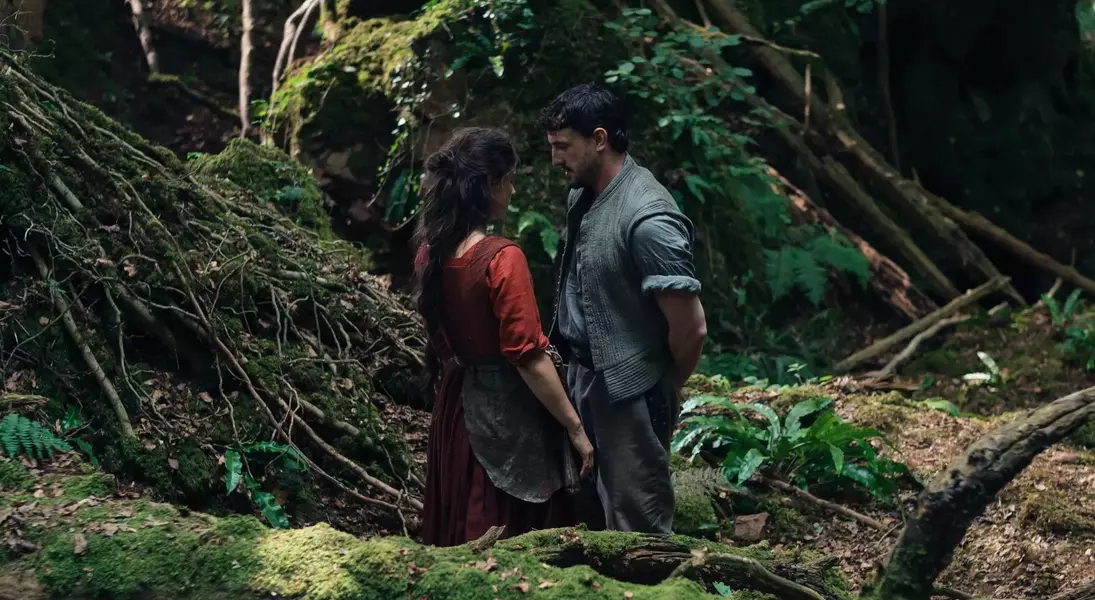
Zhao's personal connection to \"Hamnet\" is further illuminated by her long-standing relationship with Shakespeare's \"Hamlet.\" Despite having seen various adaptations, she never fully grasped the play's depth until reading Maggie O'Farrell's novel, which reframed the tragedy through the lens of profound personal grief. This newfound understanding became a driving force for her adaptation, where \"Hamlet\" is presented as a direct consequence of the Shakespeare family's sorrow. The film aims to explore universal human conditions – love and death – and how they intertwine to shape destiny and creativity. Zhao describes the marriage between Shakespeare and Agnes as a confluence of contrasting energies: one rooted in nature and intuition, the other in civilization and emotional restraint. Their divergent ways of processing immense loss become the central conflict, ultimately pushing Shakespeare to articulate his unspoken anguish through his art. This deeply personal and philosophical interpretation of the story, coupled with the magnetic performances of Paul Mescal and Jessie Buckley, forms the core of Zhao's compelling return to the director's chair.
Casting Chemistry and the Power of Film Festivals
The casting process for \"Hamnet\" was, for Chloé Zhao, an intuitive and organic one, driven by the inherent essence she sought in her actors. She aimed for performers who embodied the contrasting energies of Shakespeare and Agnes, a dynamic crucial to the film's philosophical underpinnings. Paul Mescal, whom Zhao met before his Oscar nomination for \"Aftersun,\" immediately struck her as possessing the raw authenticity required for the young Shakespeare. His presence, she believed, was key to her ability to undertake the project. Jessie Buckley, whose previous work Zhao deeply admired for its brave emotional depth, was an instant fit for Agnes. Zhao's conviction was so strong that upon reading the novel, she unequivocally knew Buckley was the ideal choice. The decisive factor, however, was the palpable chemistry between Mescal and Buckley, a spark that convinced Zhao they were the perfect duo to convey the complex, often painful, love story at the heart of \"Hamnet.\" This instinctive casting, combined with the trust placed in her by esteemed producers like Steven Spielberg and Sam Mendes, underscored Zhao's confidence in her creative vision and her ability to bring this emotionally resonant story to life.
Beyond the film's narrative and casting, Chloé Zhao places immense value on the role of film festivals in the cinematic ecosystem. She expresses a strong preference for her films to debut at festivals, recognizing them as vital platforms for fostering artistic passion, community, and creative exchange. For Zhao and many of her peers, festivals are more than just premieres; they are fertile grounds where filmmakers can reconnect, share ideas, and experience a renewed sense of purpose. She likens the festival environment to returning to school, a safe and inspiring bubble where creativity flourishes before the film is released into the broader, often harsher, world. This sense of shared experience and mutual support, as exemplified by her initial encounters with Paul Mescal and Jessie Buckley at a festival, is invaluable. For Zhao, festivals offer a precious space to reclaim artistic innocence and reinforce the collective spirit of filmmaking, providing a necessary antidote to the demanding nature of the industry. Her participation in TIFF with \"Hamnet\" is a testament to her belief in these communal artistic gatherings and their profound impact on both filmmakers and audiences.
