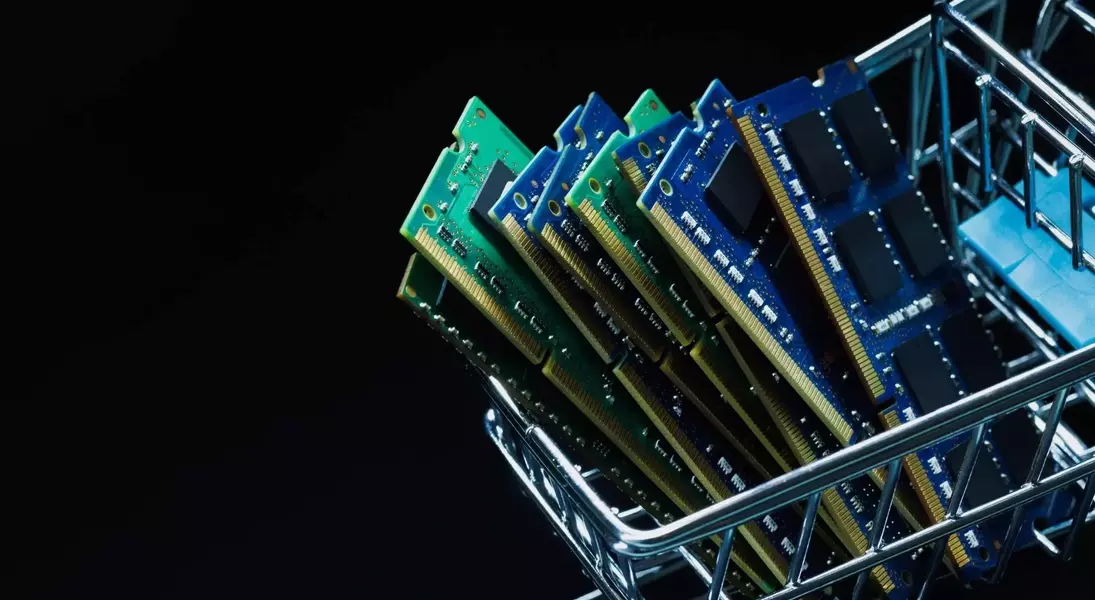
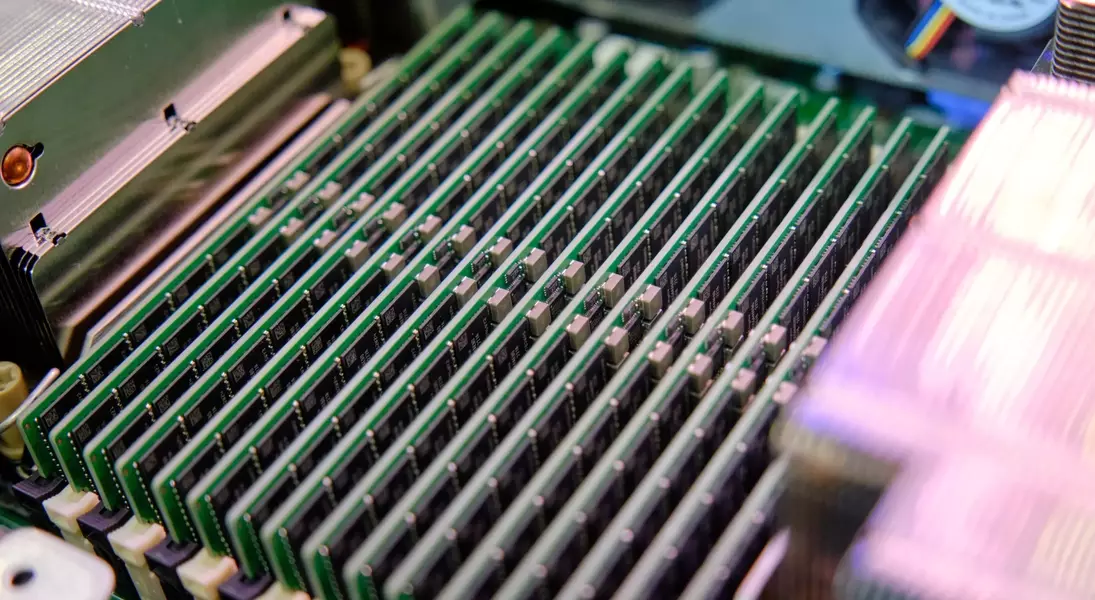
A notable shift is occurring within the hardware industry as prominent motherboard and component manufacturers, such as MSI and Asus, are now actively certifying their products for integration with memory modules produced in China. This trend is primarily propelled by a substantial increase in DRAM manufacturing capacity from Chinese companies, most notably CXMT. Industry analysts, leveraging research from firms like Citrini, highlight that this expansion is on a scale that could dramatically alter the global memory landscape, positioning Chinese manufacturers to become significant players in the market.
This rapid growth in Chinese memory production signals a potential reshaping of market dynamics, with increased competition and potentially more accessible memory solutions for consumers. The validation by leading component makers suggests a growing confidence in the quality and performance of these Chinese-manufactured DRAM modules. The long-term implications could include a diversification of the memory supply chain and a shift in pricing structures, making high-performance memory more affordable and widely available across various markets, including the gaming sector, which has traditionally sought value without compromise.
The Ascent of Chinese DRAM Production
The landscape of memory manufacturing is undergoing a significant transformation, with Chinese companies rapidly increasing their DRAM production capabilities. This surge is particularly evident with firms like CXMT, which, according to insights from analyst Zephyr based on Citrini's research, could see an impressive boost in wafer production capacity. Projections indicate a potential addition of 600,000 to 1.1 million wafers per month (WPM) to their DRAM output, leading to a total capacity ranging from approximately 950,000 to 1.45 million WPM. This expansion is poised to bring CXMT's production levels remarkably close to those of industry giants like Micron, which is expected to reach 375,000 WPM this year. Such a rapid escalation in capacity is a testament to the aggressive growth strategy adopted by Chinese memory manufacturers.
The underlying factors enabling this swift expansion include the construction of new fabrication facilities, the upgrade of existing ones, and significant investments in research and development. Unlike their Western counterparts, Chinese memory companies benefit from considerably faster cleanroom construction timelines, often completing projects in about 12 months compared to the 21-24 months typically seen elsewhere. This efficiency is largely attributed to robust state backing and private sector investments. In an era marked by high demand and occasional global shortages, securing substantial funding is less challenging, allowing these companies to quickly scale up operations. This rapid development not only meets existing market needs but also strategically positions Chinese memory producers to capture a larger share of the global memory market.
Hardware Industry's Response and Future Outlook
Given the dramatic increase in Chinese memory production, it is hardly surprising that major component manufacturers are adapting their strategies. The validation of Chinese-made memory by leading brands such as MSI and Asus is a logical response to the evolving market. This move is driven by the clear demand from consumers for new memory solutions, prompting these companies to release BIOS updates that support faster Chinese memory. Additionally, the planned integration of CXMT DRAM into RAM kits by companies like Corsair and Lexar for the Chinese market further underscores this trend. These developments reflect a pragmatic acceptance and integration of Chinese memory into the broader hardware ecosystem, signaling a growing reliance on these suppliers.
While earlier assessments suggested that Chinese RAM, though suitable for gaming, might not offer a significant cost advantage, the massive increase in production capacity could change this dynamic. With higher volumes, it's plausible that prices could become more competitive, making Chinese memory an attractive option for a wider range of consumers. However, the high demand from sectors such as AI servers could still consume a substantial portion of this newly available memory, potentially limiting the impact on overall consumer pricing. Nevertheless, the ongoing validation and integration of Chinese memory by global hardware leaders highlight a shift towards a more diversified and competitive memory market, with potential benefits for both manufacturers and end-users.
