
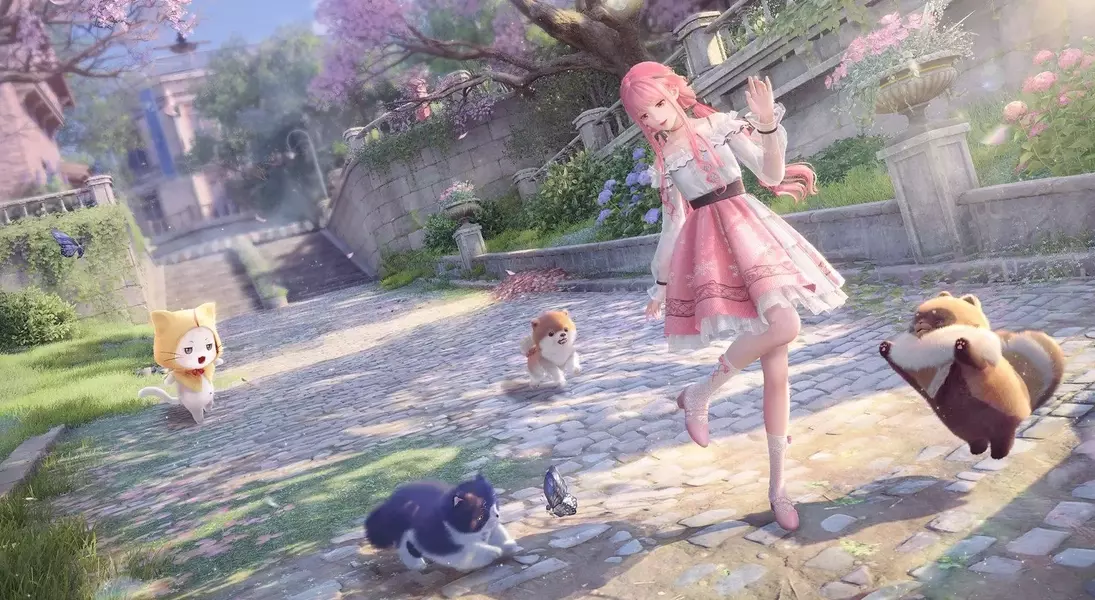
Chinese game developer Papergames, operating under its Infold Games brand, has recently encountered significant disapproval from a segment of its international player base, a recurring theme in recent years. Two of its prominent titles, "Infinity Nikki" and "Love and Deepspace," have frequently been at the center of various disputes, both within China and across the globe. Just last week, "Infinity Nikki" again drew criticism following a promotional video released in China that prominently featured Maye Musk, the mother of entrepreneurial figure Elon Musk.
International Divide: Maye Musk's Promotional Role in "Infinity Nikki" Ignites Fan Controversy
Maye Musk lent her voice to the latest trailer for an upcoming "Infinity Nikki" update, showcasing the futuristic Cicia region with its unique drivable vehicles. This promotional material was primarily disseminated on Chinese platforms, including RedNote and the video-sharing site Bilibili, rather than being broadly released to the game's entire global audience. News of the trailer first surfaced among Western audiences via the "Infinity Nikki" subreddit, before quickly spreading across social media channels like Twitter and TikTok. Many fans expressed profound confusion regarding the decision to involve Maye Musk in the game's promotion, largely citing Elon Musk's often-criticized public image in Western countries. Furthermore, Maye Musk herself has faced scrutiny for her public support of her son's ventures and her own political viewpoints.
Adding another layer to the discussion, the trailer's release coincided with Tesla's demonstration of a Roadster prototype performing a short, thruster-assisted jump, leading some discussions on the game's forums to speculate whether "Infinity Nikki" might integrate Tesla vehicles as part of a deeper collaboration. While Maye Musk's partnership with Infold Games surprised many Western fans, such celebrity endorsements are not unprecedented within the Chinese market.
Indeed, Maye Musk enjoys considerable popularity in China. A 2025 article from Wired magazine highlighted her status as a "silver influencer," a designation for older public figures celebrated for their graceful aging and influential presence. Her collaborations with various major Chinese brands, appearances in high-profile fashion events, and other public engagements have solidified her position within mainstream Chinese celebrity culture.
Consequently, the reception to the "Infinity Nikki" and Maye Musk collaboration has been largely favorable within China. However, this positive domestic response has not deterred Western fans from expressing their discontent through a coordinated boycott. Infold Games previously experienced a similar organized spending boycott earlier this year for "Love and Deepspace," which has persisted amidst the current controversy. A key distinction between these two titles lies in their global revenue composition.
It is estimated that the Chinese market alone contributed approximately 63% of "Infinity Nikki's" global mobile revenue in 2025. Therefore, a widespread boycott initiated by Western players is unlikely to inflict substantial financial damage on the game's earnings. Nevertheless, given Infold Games' progressively declining reputation among its worldwide fanbase, particularly exacerbated by the "Love and Deepspace" debacle, further boycotts could cumulatively impact the company's overall international revenue streams and long-term brand perception.
Bridging Cultural Divides: Lessons from "Infinity Nikki"'s Global Marketing Misstep
This situation underscores the intricate challenges faced by game developers navigating a globalized entertainment landscape, especially when integrating celebrity endorsements and managing diverse cultural perceptions. What resonates favorably within one cultural sphere can, paradoxically, provoke considerable backlash in another, highlighting the imperative for a nuanced understanding of international audience sentiments. For creative studios like Infold Games, cultivating genuine worldwide appeal extends beyond just crafting engaging gameplay; it necessitates profound sensitivity to global public opinion and a meticulous assessment of the potential consequences of celebrity associations. The contrasting reactions to Maye Musk's promotional involvement serve as a potent reminder that global marketing strategies demand careful adaptation, lest they inadvertently alienate significant segments of a worldwide fanbase, thereby jeopardizing a brand's enduring international standing and goodwill.