The global automotive industry is witnessing a profound transformation, with Chinese manufacturers asserting their dominance on the international stage. Data from the China Passenger Car Association for the first half of 2026 reveals that three Chinese automakers have successfully entered the top ten global market share rankings. This marks a pivotal moment, signaling the culmination of a decade-long strategic expansion and relentless innovation by Chinese brands. Their ascent challenges the long-standing leadership of traditional automotive giants and indicates a significant shift in global market dynamics. This surge is not merely a transient phenomenon but reflects a sustained effort to capture a larger share of the global market through competitive strategies and advanced technology.
Amidst this global shift, established automotive powerhouses like Toyota, Volkswagen, and Hyundai-Kia continue to hold significant market shares. Toyota leads with 11%, followed by Volkswagen at 8.1%, and Hyundai-Kia with 7.6%. However, the rapid growth of Chinese manufacturers like BYD, Geely Holding Group, and Chery is exerting considerable pressure on these legacy brands. The strategic expansion and innovative approaches adopted by Chinese companies are forcing a reevaluation of traditional market strategies and prompting a competitive response from their global counterparts. This evolving landscape highlights a new era of competition and collaboration within the automotive sector, driven by technological advancements and shifting consumer preferences.
Chinese Brands Reshape Global Automotive Landscape
In the first half of 2026, the global automotive market experienced a remarkable change with the entry of three Chinese brands into the top ten global market share rankings. This represents a significant milestone, showcasing the effectiveness of Chinese automakers' long-term strategies, which have focused on aggressive growth, technological innovation, and robust export capabilities. BYD, Geely, and Chery have demonstrated impressive market penetration, leveraging their strengths to compete directly with established international players. This surge has altered the competitive balance, forcing traditional manufacturers to adapt to a rapidly evolving global environment where price competitiveness and advanced features are increasingly crucial for success.
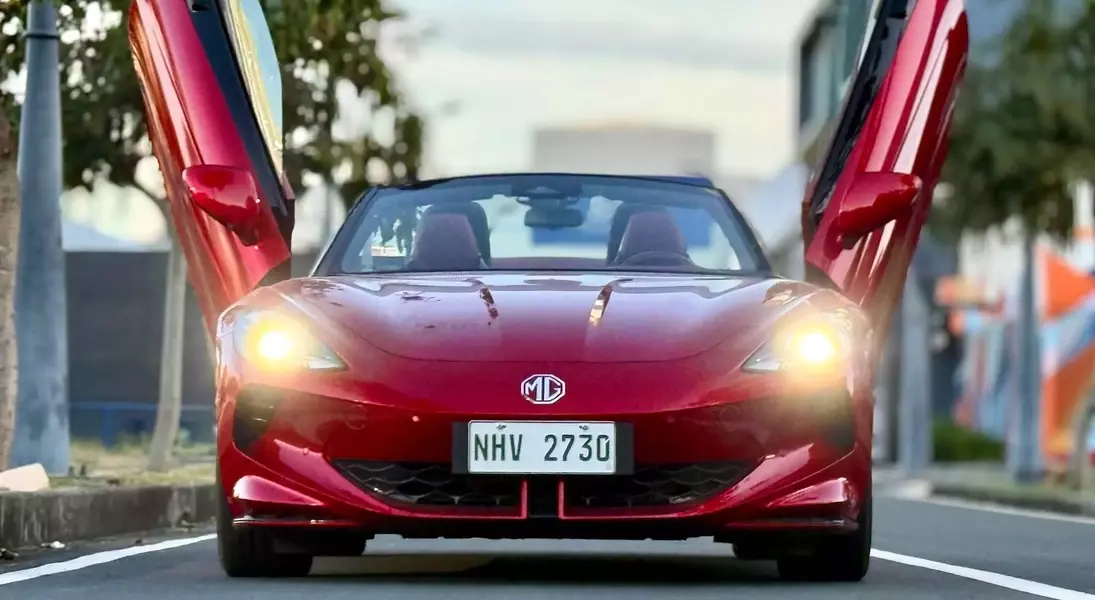
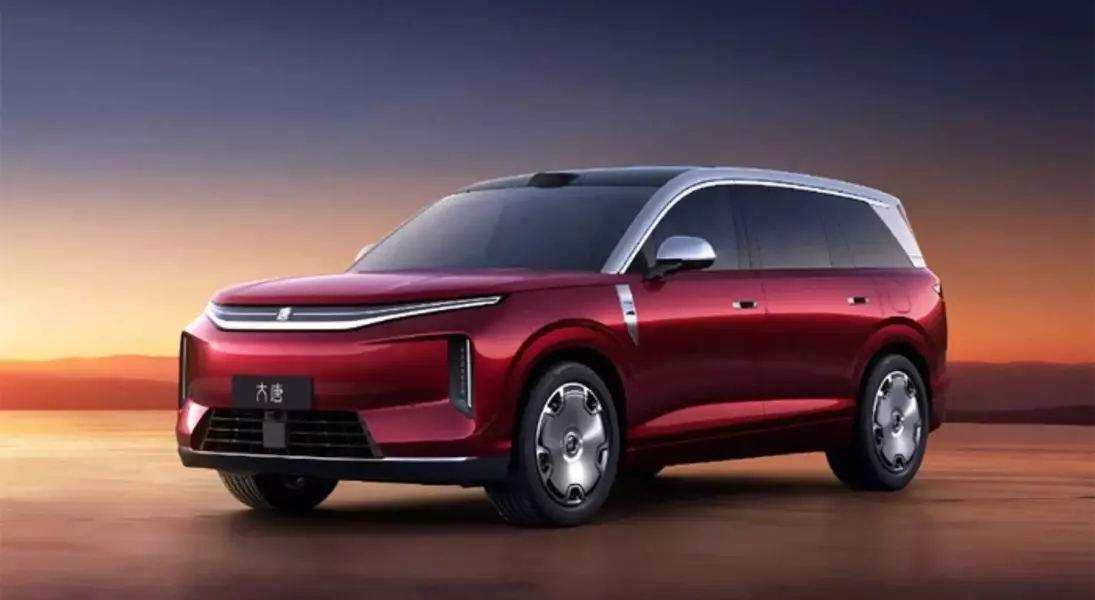
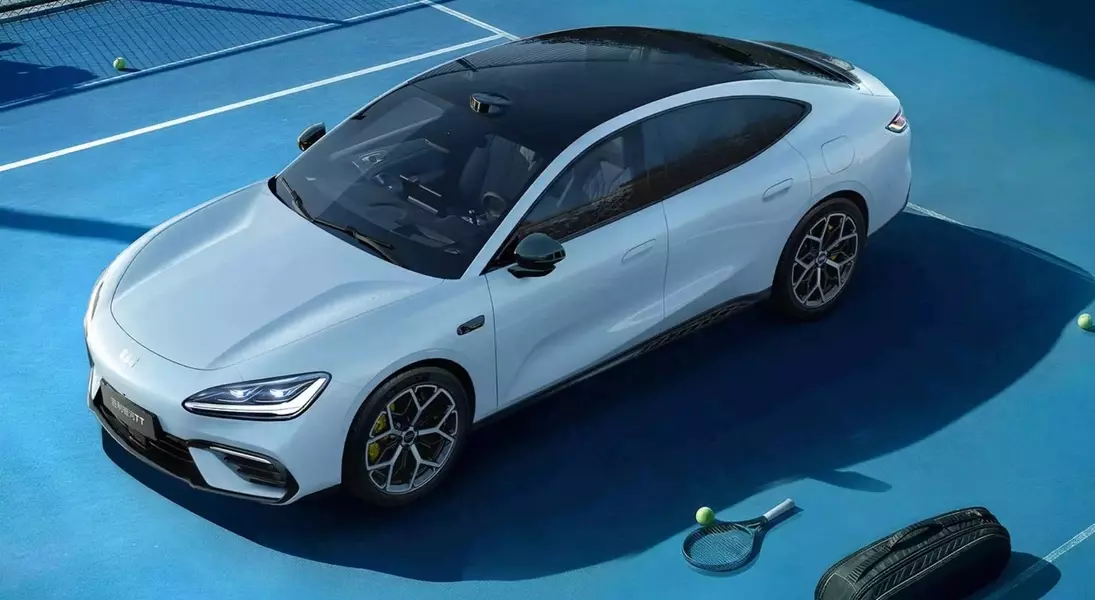
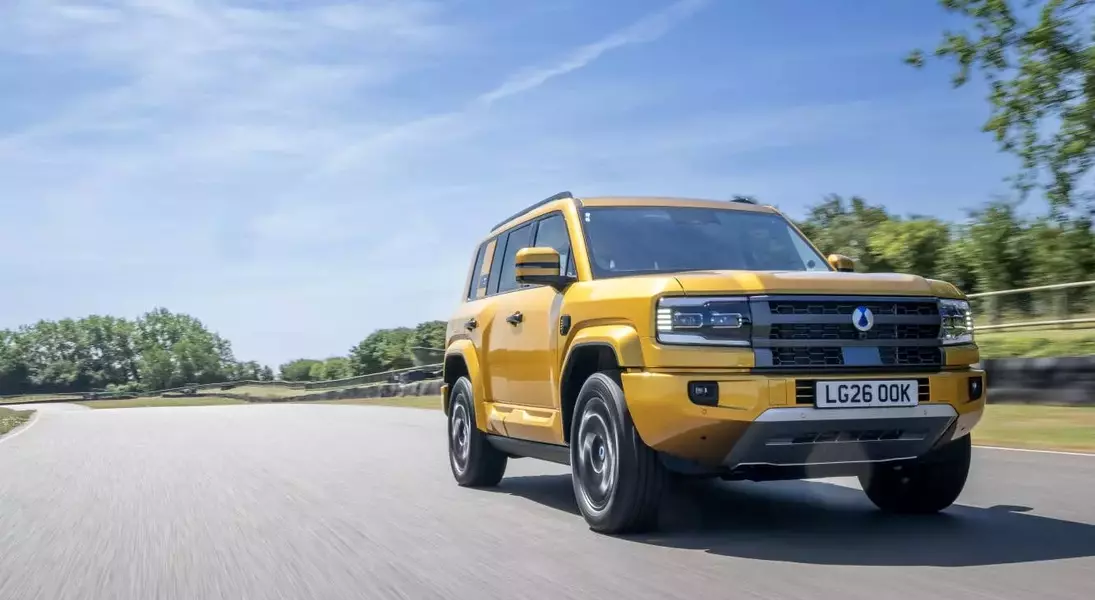
BYD has emerged as a frontrunner, securing sixth place globally with a 4.8% market share, a substantial increase from just 0.6% in 2016. Despite facing domestic challenges, with a 45.9% decline in Chinese deliveries, BYD's aggressive export strategy has enabled it to surpass Ford in global volume. Geely Holding Group follows closely in seventh place, commanding 4.6% of the global market, up from 1.5% a decade ago. Geely's success is bolstered by its diverse portfolio, including brands like Volvo, Polestar, and Lotus, which provide a strong Western presence and mitigate regulatory hurdles. Chery rounds out the top ten, matching Ford's 4.1% market share, a significant leap from its 0.8% share in 2016, primarily driven by its robust export performance. Other Chinese automakers, such as SAIC, Changan, GWM, BAIC, and Dongfeng, are also steadily climbing the ranks, indicating a broader trend of Chinese dominance in the global automotive sector.
The Growing Challenge to Established Automakers
The remarkable rise of Chinese automakers serves as a critical wake-up call for traditional automotive hubs in Detroit, Stuttgart, and Tokyo. The era where brand heritage alone guaranteed market leadership is diminishing, as Chinese companies offer compelling technology at highly competitive price points. This intensifying competition has prompted industry leaders, such as Ford CEO Jim Farley, to express concerns about the influx of Chinese vehicles into key markets, underscoring the growing apprehension within established boardrooms. The shift in market dynamics necessitates a strategic reevaluation for traditional players to maintain their competitive edge.
While protectionist measures like tariffs and legislative barriers may offer temporary relief, they are not sustainable long-term solutions. Ford Chairman Bill Ford acknowledged the inevitability of Chinese market penetration, stating that permanently blocking these vehicles is impractical. Consumers are increasingly influenced by value, and Chinese automakers are consistently delivering advanced technology at unbeatable prices. The market share data from the first half of 2026 unequivocally demonstrates that this transformation is not a future possibility but a current reality. The global automotive landscape has fundamentally changed, requiring all players to innovate and adapt to the new competitive environment dominated by agile and technologically advanced Chinese brands.
