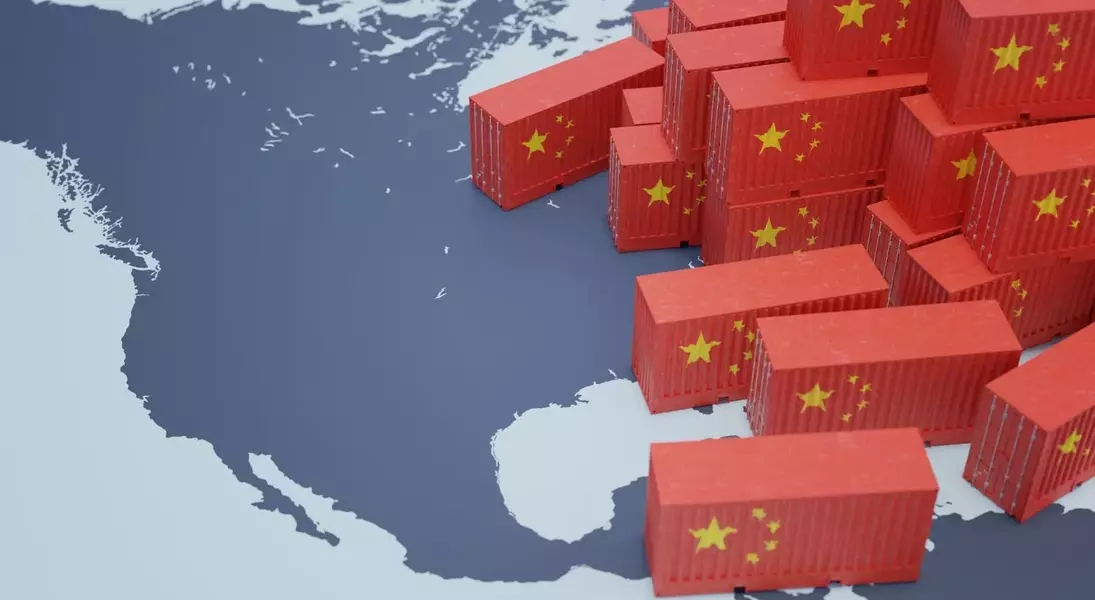
China's trade sector has demonstrated remarkable resilience and growth in the first half of the current fiscal year, with both outbound and inbound shipments registering their highest volumes since the pandemic-influenced year of 2021. This impressive performance is largely attributed to the robust expansion of the technology industry, which is acting as a significant catalyst for trade on multiple fronts. However, a closer look reveals a divergence in underlying trends: while export growth is predominantly propelled by high-tech advancements, the broader import landscape suggests persistent challenges in domestic demand. Furthermore, the global geopolitical climate presents potential headwinds that could temper China's trade momentum in the upcoming quarters.
The first six months of the year have seen China's trade figures soar past initial projections. This unexpected acceleration is predominantly fueled by a burgeoning high-tech sector. Specifically, exports of advanced technological products, including semiconductors, automobiles, and maritime vessels, have exhibited exceptional growth. Data for June indicates a substantial year-on-year increase of 27.0% in overall exports, with mechanical and electrical products alone contributing a 34.2% rise, and semiconductor exports leaping by an astonishing 121.9%.
Conversely, the import landscape paints a more nuanced picture. While overall imports have also surged, the growth is heavily concentrated in technology-related goods, echoing the strength of the export-driven tech boom. This selective import growth, coupled with a notable decline in oil imports for June—despite a drop in crude prices that might typically stimulate purchasing—underscores a persistent softness in domestic consumer demand. The disparity between robust external demand and lukewarm internal consumption suggests that while China's industrial output benefits from global markets, its domestic economic recovery still faces hurdles.
Looking ahead, China's trade trajectory is not without its challenges. Geopolitical tensions pose a significant risk to sustained export strength. The possibility of secondary sanctions from the United States targeting buyers of Russian oil and gas, as well as potential tariff increases from the European Union, could dampen the favorable conditions that have underpinned the recent trade surge. These external pressures could introduce volatility and uncertainty, potentially impacting China's ability to maintain its rapid export growth.
In conclusion, China's trade data for the first half of the year showcases a vibrant export sector, particularly in high-tech industries, which has contributed significantly to overall economic activity. This strong external performance stands in contrast to the more subdued picture of domestic demand, as evidenced by the composition of imports. As China navigates the complexities of global trade, it must also contend with evolving geopolitical dynamics that could influence its future trade outlook. The interplay of technological advancement, domestic economic policies, and international relations will ultimately shape China's trade performance in the coming months.
