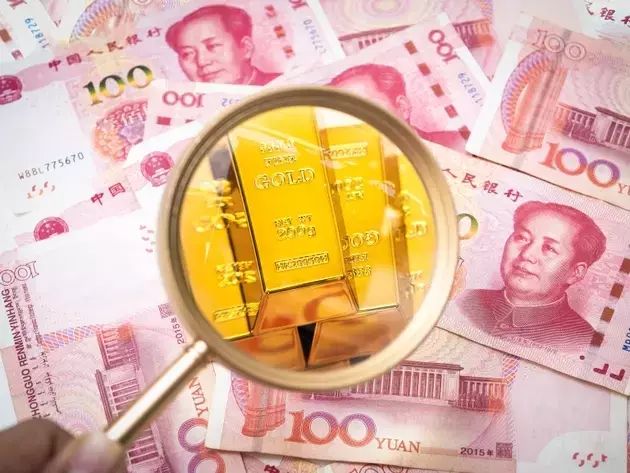
China's gold market witnessed a turbulent first half of the year, characterized by an initial period of strength followed by a notable downturn in June. This mid-year reversal effectively nullified earlier positive movements, leaving the market in a state of flux. Despite the overall softness observed in the latter part of the period, Chinese gold Exchange Traded Funds (ETFs) managed to attract significant investment, indicating a resilient underlying demand. Concurrently, the People's Bank of China maintained its strategic accumulation of gold reserves, underscoring the precious metal's perceived long-term value. Looking ahead, the demand for gold jewelry is expected to face headwinds during the seasonal lull; however, any stabilization in gold prices could provide a much-needed boost to this sector.
The hawkish stance adopted by the Federal Reserve, particularly through the statements of new Fed Chair Kevin Warsh during last month's monetary policy meeting, played a pivotal role in gold's June decline. These pronouncements were widely interpreted as signaling a tighter monetary policy environment, which subsequently drove up real yields and strengthened the U.S. dollar. A stronger dollar typically makes gold, which is priced in the U.S. currency, more expensive for international buyers, thereby dampening demand. The increase in real yields, representing the return on an investment after accounting for inflation, also reduces gold's appeal as a non-yielding asset. These macroeconomic shifts collectively exerted downward pressure on gold prices, erasing the positive momentum accumulated in the earlier months of the year.
Despite the broader market weakness in June, Chinese gold ETFs presented a contrasting picture of strength. These investment vehicles continued to experience robust inflows, highlighting a persistent appetite among Chinese investors for gold exposure. This sustained interest suggests that while speculative demand might be influenced by short-term price movements and monetary policy expectations, there remains a fundamental belief in gold's role as a store of value and a hedge against uncertainty within the Chinese investment landscape. The consistent accumulation of gold by the People's Bank of China further reinforces this sentiment, as central bank purchases are often indicative of a long-term strategic view on the metal's importance in national reserves.
Looking towards the near future, the gold jewelry sector in China is projected to experience a period of reduced activity. The summer months typically represent an off-season for jewelry sales, with consumer spending shifting towards other priorities. This seasonal weakness, combined with the earlier volatility in gold prices, is likely to keep demand muted. However, any sustained period of price stability could encourage consumer confidence and potentially lead to a modest recovery in jewelry purchases. The interplay between investment demand, central bank activities, and consumer behavior will continue to shape the trajectory of China's gold market in the coming months, with a watchful eye on global economic indicators and monetary policy developments.
The first half of the year for China's gold market was a tale of two halves: initial optimism followed by a challenging June. The influence of global monetary policy, particularly the Federal Reserve's hawkish tone, significantly impacted gold prices, leading to a reversal of earlier gains. Nonetheless, domestic factors such as strong ETF inflows and continuous central bank acquisitions demonstrated an underlying resilience and strategic importance of gold within China. While short-term challenges persist, especially for jewelry consumption, the market's foundational elements suggest a capacity for recovery and continued relevance in the broader financial landscape.
