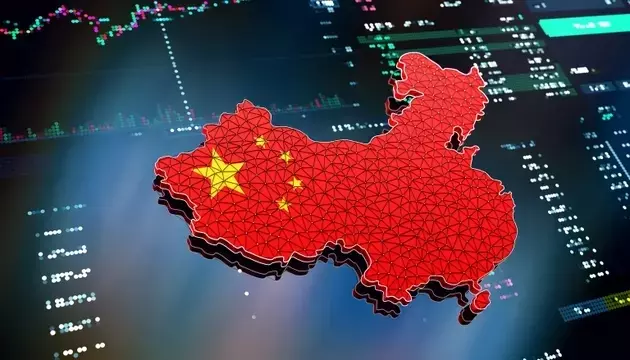
China is undergoing a profound economic transformation, pivoting its strategic focus from conventional growth drivers like the property sector and extensive stimulus measures towards nurturing innovation in artificial intelligence, electric vehicles, and advanced manufacturing. This shift aims to elevate the country's position in global value chains, fostering a new era of industrial prowess.
Charting a New Course: China's Strategic Economic Reorientation
China's Policy Pivot: Embracing Innovation and Advanced Manufacturing
China's economic policy has reached a critical juncture, marked by a decisive pivot towards technological advancement and high-end manufacturing. The government is actively promoting sectors such as AI, electric vehicles, and other advanced industries, encouraging companies to innovate and move up the value chain. Concurrently, there's a conscious move away from interventionist policies in the property market and broad-based stimulus aimed at domestic consumption.
Resilience Amidst Shifting Tides: Global Demand Fuels Equity Gains
Despite persistent challenges in domestic consumption, China's economy has demonstrated remarkable resilience, largely supported by robust global demand for its technologically advanced products. This external demand has been a key factor in the outperformance of Chinese equities in 2025, signaling investor confidence in the nation's new economic direction.
Structural Evolution and Investment Landscape: Focused Opportunities
The ongoing structural rebalancing within China's economy is creating a dynamic investment landscape. While the appeal of bonds and broad stimulus measures wanes, selective opportunities are emerging in Chinese equities, particularly within the innovative and advanced manufacturing sectors. This suggests a more discerning approach to investment, focusing on areas aligned with the country's strategic priorities.
