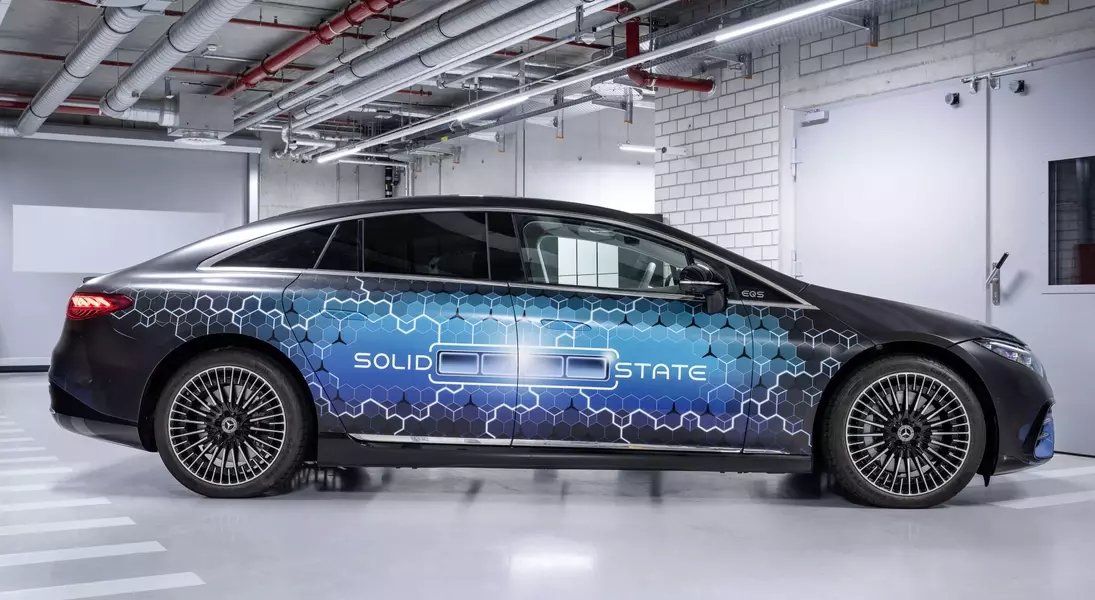

In a significant development for the automotive industry, China has emerged as a key player in defining the future of electric vehicle battery technology. While leading EV manufacturers globally are still striving to perfect solid-state batteries, China has proactively established the world's first national standard for these advanced power units. This strategic initiative goes beyond mere technological advancement; it's about setting the foundational criteria for how these next-generation batteries will be categorized, verified, and ultimately introduced to the market.
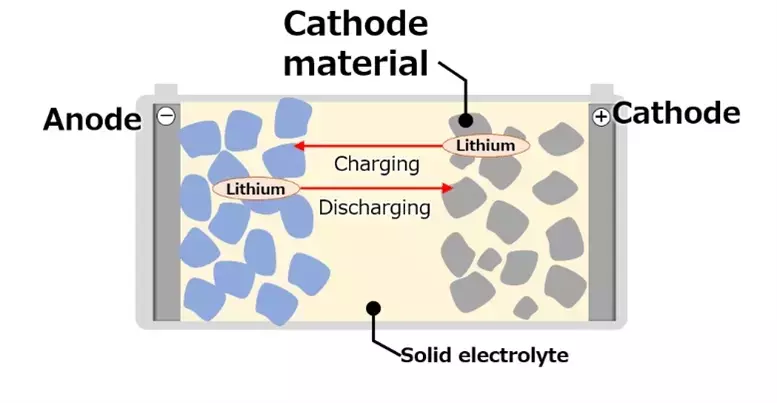
This pioneering move is encapsulated in a draft national standard, “Solid-State Battery for Electric Vehicle – Part 1: Terms and Classification,” issued by China’s National Automotive Standardization Technical Committee. This document meticulously categorizes batteries based on their internal ion transfer mechanisms into liquid, hybrid solid-liquid, and fully solid-state designs, effectively eliminating the ambiguous “semi-solid-state” designation. Furthermore, it elevates the technical benchmarks: for a battery to be deemed solid-state, it must exhibit a minimal weight loss rate under specific vacuum drying conditions, a considerably more stringent requirement than previous industry benchmarks. This rigorous definition is crucial for differentiating authentic solid-state technologies from interim chemistries that still rely on liquid electrolytes, thereby influencing a broad spectrum of applications from conventional electric vehicles to high-performance vehicles.
China’s timely introduction of these standards is not coincidental. As China solidifies its position as a global leader in automotive sales and EV production, with domestic giants like BYD surpassing international competitors, establishing these benchmarks provides a competitive edge. This foundational standard is just the first in a series, with subsequent standards planned to address performance, safety, and lifespan, along with specific requirements for solid electrolytes. This comprehensive framework is designed to streamline the transition of solid-state batteries from research labs to mass production, minimizing ambiguities across the supply chain. Ultimately, as the global automotive industry accelerates towards next-generation battery solutions, China's preemptive definition of "solid-state" will shape the market landscape well before these innovations become widely available to consumers.
This forward-thinking approach by China underscores a commitment to innovation and progress, setting a clear path for the development and deployment of advanced energy solutions. By providing clear guidelines and fostering a robust ecosystem for solid-state battery technology, China is not only advancing its own industrial capabilities but also contributing to a more sustainable and electrified future for global transportation. This proactive stance encourages international collaboration and healthy competition, pushing the boundaries of what is possible in clean energy and reaffirming humanity's drive towards a better tomorrow.
