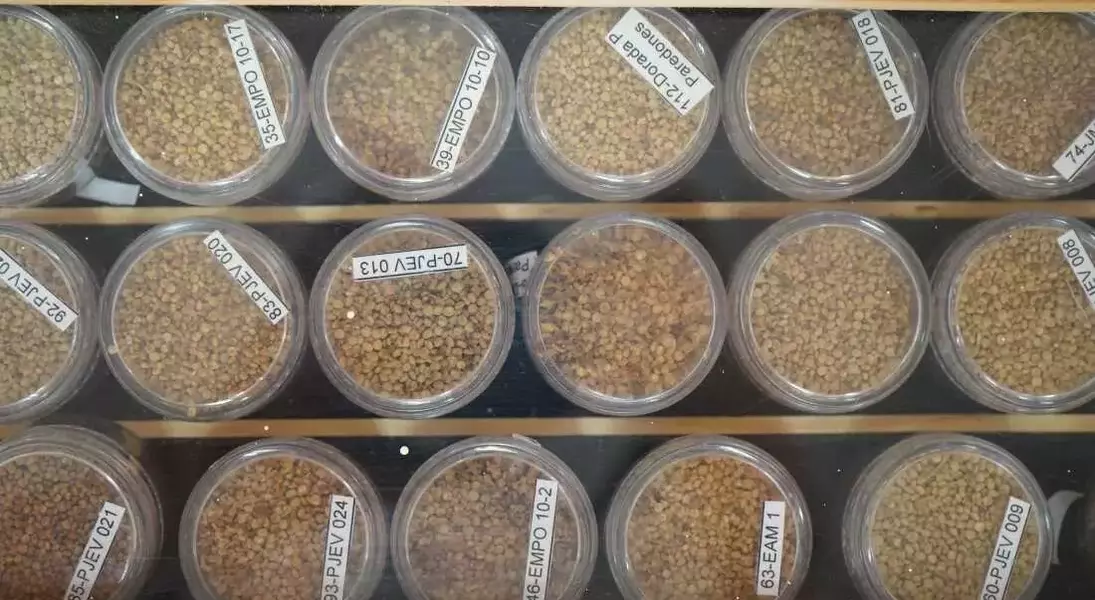
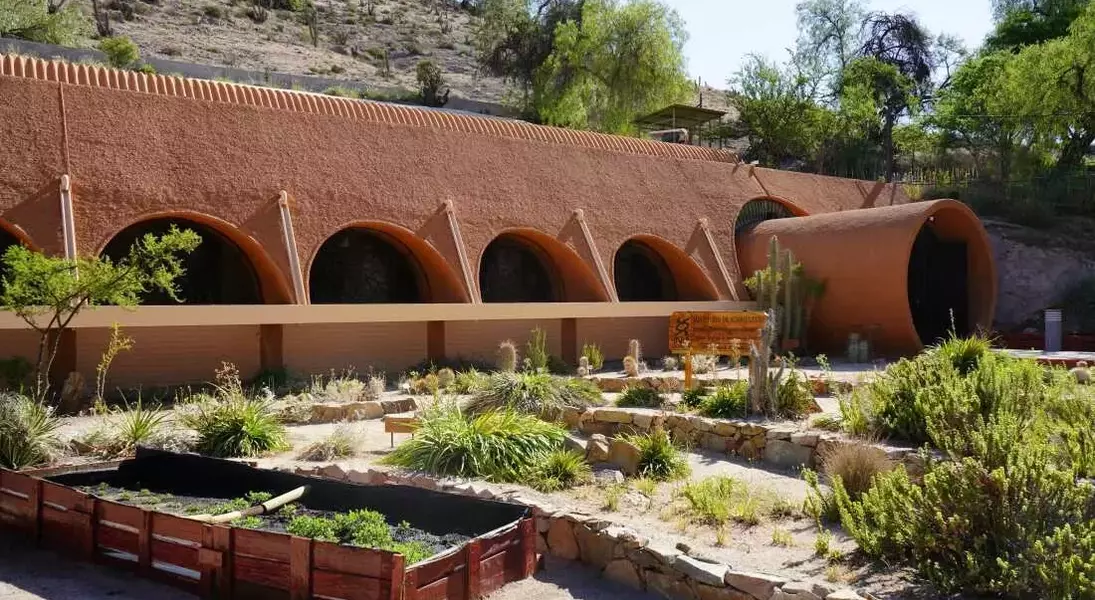
Nestled in the remote, sun-baked expanses of Chile's Atacama Desert, near the historic town of Vicuña, lies a pivotal research facility working tirelessly to secure the nation's ecological future. This discreet, earthquake-resistant structure, the Initihuasi Seed Bank, serves as the central hub for a national effort to conserve Chile's unique plant life. Researchers like Ana Sandoval emphasize the strategic isolation of the facility, designed to shield its invaluable genetic repository from widespread disasters, ensuring the long-term survival of species, including some previously thought lost to time. The bank's sophisticated storage methods—maintaining seeds at extreme cold and low humidity in aluminum pouches—underscore the critical importance of this biodiversity preservation mission.
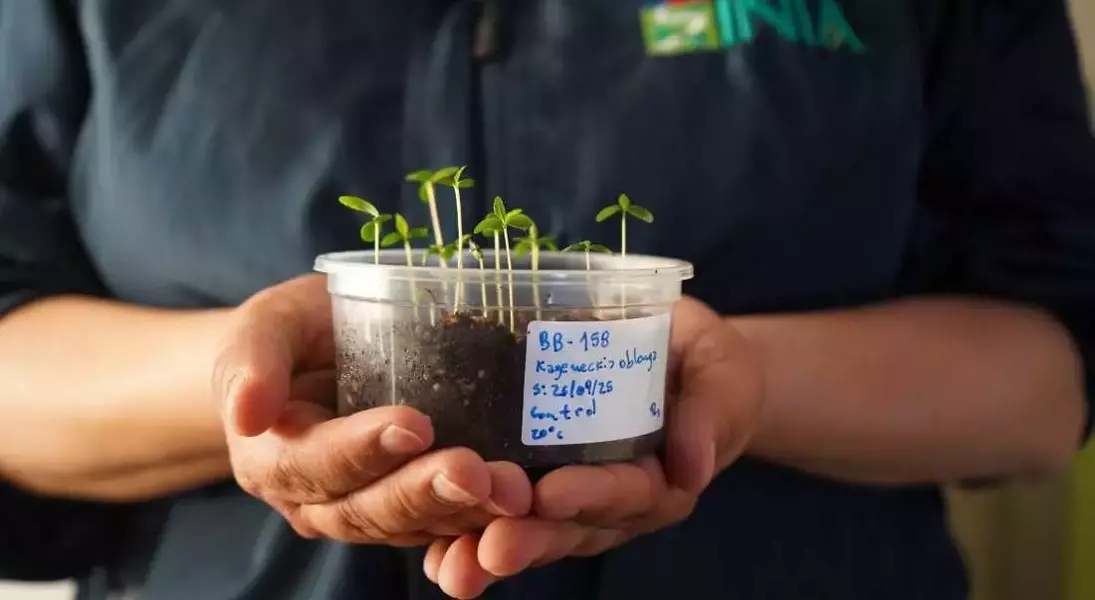
The conservationists at Initihuasi are not merely passive custodians; they are actively engaged in rediscovering and reintroducing species. This commitment is exemplified by the resurrection of plants once declared extinct, such as a blue crocus found years after its disappearance, whose seeds were meticulously collected and preserved. With 46% of Chile's 4,655 plant species being endemic, the bank's role in safeguarding this natural heritage is paramount. While generally not open to public requests, seeds are selectively shared with researchers for propagation in controlled environments, and field expeditions constantly seek out rare specimens, including the highly endangered diplostephium paposanum, which has seen successful reproduction and reintroduction efforts. Furthermore, Initihuasi contributes to global conservation by housing duplicates of its seed collections in international facilities, reinforcing a worldwide commitment to genetic preservation.
The significance of these efforts extends beyond mere ecological protection, playing a vital role in Chile's agricultural resilience. As a major food exporter, Chile’s economy relies heavily on its plant resources, which are increasingly vulnerable to climate change. Carlos Furche, director of the national seed bank network and former Minister for Agriculture, likens the facility to a 'Noah's Ark,' recognizing it as a crucial safeguard for the country's agricultural genetic diversity. With projections indicating significant environmental shifts in Chile within decades, the genetic material stored at Initihuasi will be instrumental in adapting to new agricultural demands, ensuring food security and ecological stability for generations to come.
In an era where environmental challenges loom large, the proactive steps taken by Chile through the Initihuasi Seed Bank illuminate a path forward. This endeavor exemplifies humanity's capacity for foresight and collective action, demonstrating that with dedication and strategic investment in conservation, we can not only mitigate the impacts of environmental change but also cultivate a more sustainable and biodiverse future for all.
