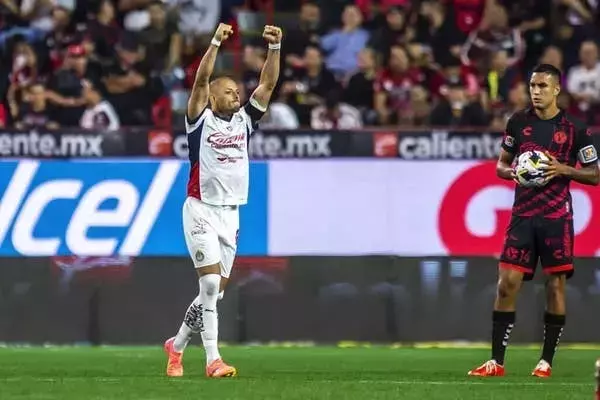
Mexican football star Javier “Chicharito” Hernández recently found himself at the center of a social media storm, prompting a public apology after his online comments were widely condemned as sexist. The controversy escalated to the point where it drew official condemnation from the Mexican Football Federation, which issued a fine and a formal warning, and even a strong rebuke from Mexico’s president, Claudia Sheinbaum. Hernández's remarks, described as undermining and outdated, sparked a crucial national dialogue on gender roles and equality within the public sphere, highlighting the significant influence public figures wield through their platforms.
The incident underscores the growing scrutiny faced by athletes and celebrities regarding their online conduct. While Hernández expressed regret and a commitment to personal growth, the fallout served as a stark reminder that digital footprints have real-world consequences, impacting not just personal reputations but also the broader societal conversation. This episode ultimately highlighted the persistent challenge of combating sexism and promoting inclusive values, even in contemporary society.
Footballer's Controversial Statements and Subsequent Repentance
Javier “Chicharito” Hernández, a renowned figure in Mexican football, recently issued a public apology for comments made on social media that were widely criticized as sexist. The remarks, which included assertions such as “women are failing” and a call for “eradicating masculinity,” ignited a significant backlash across various platforms and public discourse. This swift and strong reaction prompted the Mexican Football Federation (FMF) to take disciplinary action, imposing a financial penalty and a formal warning on the player, underscoring the seriousness with which such statements are viewed within the sport's governing bodies.
Hernández's controversial posts, which remained visible on his timeline despite the uproar, led to his expression of deep regret. In his apology, he clarified that his intention was never to cause division or offense, emphasizing a desire for personal growth and a commitment to becoming a better version of himself. He articulated a belief that personal change initiates from within and pledged to use this experience as an opportunity for greater understanding. Meanwhile, his current club, Chivas Guadalajara, promptly disassociated itself from his comments, issuing a statement that reaffirmed its institutional dedication to fostering inclusive environments and upholding values of equal opportunity for all genders. This incident highlights the profound impact public figures' statements can have and the imperative for them to exercise caution and responsibility on social media platforms.
Widespread Criticism and Presidential Intervention
The contentious remarks made by Javier “Chicharito” Hernández drew widespread condemnation, with one of the most prominent voices of criticism coming from none other than Mexico’s president, Claudia Sheinbaum. As the nation's first female president, Sheinbaum's intervention brought a significant political dimension to the controversy. During a press conference, she acknowledged Hernández's footballing prowess but unequivocally stated that he had much to learn regarding his views on women, emphasizing that "women can be whatever we want to be, and it is a matter of equality."
President Sheinbaum did not shy away from labeling Hernández’s comments, particularly any suggestion that women’s roles should be confined to domesticity, as “muy machista,” or extremely sexist. She stressed the importance of accurately identifying such attitudes and called upon all men in the country to acknowledge women as equals. This high-profile intervention by the president underscored the broader societal implications of such remarks and the ongoing struggle for gender equality in Mexico. The episode served as a powerful reminder of the responsibility public figures hold in shaping societal norms and values, reinforcing the message that harmful stereotypes will be challenged, even when expressed by celebrated individuals.
