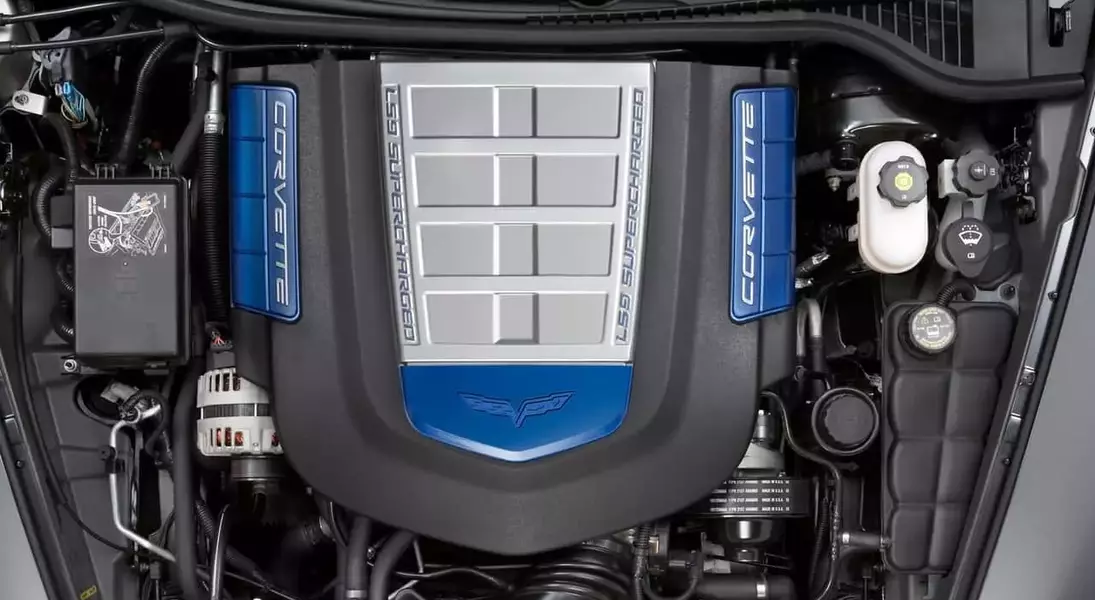
Chevrolet has announced the discontinuation of its revered LS9 Long Block crate engine, a move that marks the end of an era for one of the brand's most celebrated V8 powerplants. This high-performance engine, known for its significant power output and robust construction, has been a favorite among automotive enthusiasts and custom builders for nearly a decade. Despite this farewell, Chevrolet is actively signaling a new and exciting chapter for its V8 development, hinting at a forthcoming engine that promises even greater innovation and performance, ensuring the legacy of powerful V8s continues within the Chevrolet family.
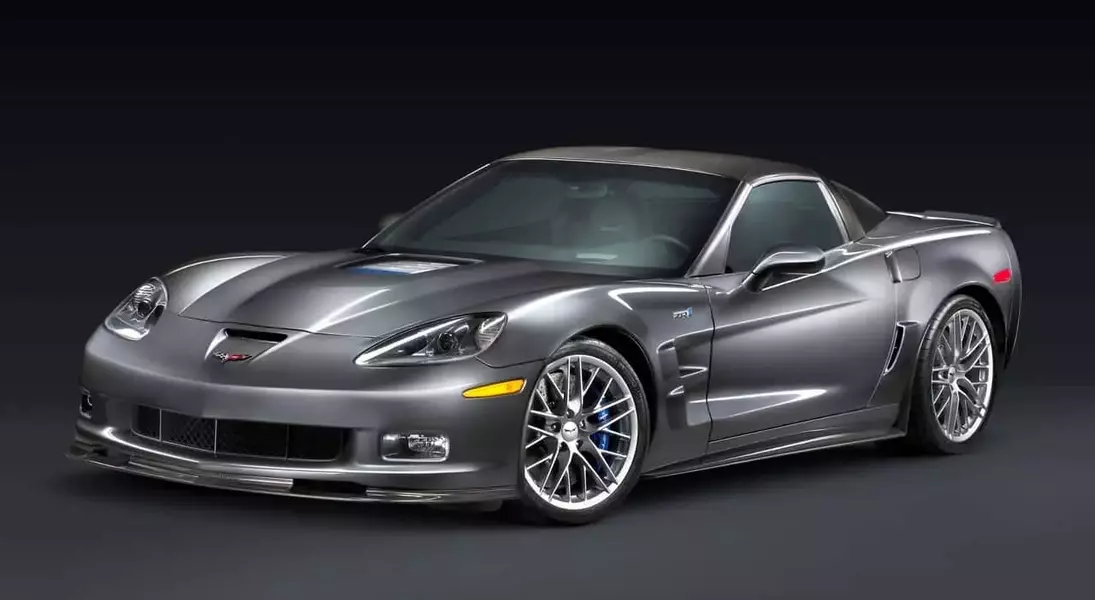
The LS9 engine, a supercharged 6.2-liter V8, first made its debut in the iconic C6 Corvette ZR1. Renowned for its impressive performance, it delivered a formidable 638 horsepower. Its advanced design included lightweight titanium connecting rods, a durable cast aluminum block, and a meticulously forged rotating assembly, all contributing to its exceptional strength and reliability. This combination of features made the LS9 not only a powerhouse for factory-built vehicles but also a highly sought-after choice for aftermarket customization and engine swaps.
Over its production run, the LS9 gained widespread popularity beyond its initial application. It became a prime choice for enthusiasts engaged in vehicle restoration and custom car builds, providing a blend of modern performance and classic V8 appeal. Its versatility was also recognized by other manufacturers; for instance, the exclusive HSV GTSR W1, a high-performance model from Australia, utilized the LS9. Additionally, the Detroit-produced Equus Bass 770, a luxury muscle car, also featured this distinguished engine, highlighting its appeal across various segments of the automotive world.
Chevrolet's decision to discontinue the LS9 crate engine has prompted considerable anticipation. While the company still offers a diverse range of other crate engine options, many of which are less potent than the LS9, there's a strong indication that this is not a retreat from V8 performance. In fact, Chevrolet Performance has actively teased "something BIG" on its social media channels. A cryptic image of an engine with visible hoses, connectors, and a Chevrolet logo suggests a new V8 is in advanced stages of development. Given Chevrolet's recent reaffirmed commitment to eight-cylinder engines, a new pushrod V8 design is the most probable outcome.
This development follows a significant investment by General Motors just a few months prior. The company allocated $888 million towards small-block V8 development at its Tonawanda Propulsion Plant. This substantial investment underscores GM's dedication to advancing V8 engine technology, indicating that these new engines are destined not only for the automaker's next-generation pickup trucks but also potentially for future high-performance cars. The continuity of robust V8 offerings suggests that while one legendary engine exits, an even more powerful and advanced successor is on the horizon.
The automotive landscape is constantly evolving, with engines frequently entering and exiting production. However, few boast the enduring legacy and impact of Chevrolet's LS series of small-block V8s, which have been a cornerstone of American performance for over seven decades. The departure of the LS9 Long Block crate motor marks a significant moment, yet it simultaneously opens the door to future advancements. Chevrolet's proactive steps in engine development, coupled with its commitment to maintaining the power and spirit of V8s, promise an exciting future for enthusiasts. This strategic pivot ensures that the tradition of powerful Chevrolet engines will continue, evolving to meet new demands while upholding the brand's reputation for high-performance engineering.
