Chelsea Football Club, fresh off their momentous victory in the inaugural expanded FIFA Club World Cup, stands at a fascinating crossroads. This global success, secured through a dominant performance against Paris Saint-Germain, has injected substantial financial resources into the club, prompting a period of reflection and strategic planning for the future. The immediate aftermath of this triumph necessitates careful consideration across various facets of the organization, from player management and financial allocation to long-term infrastructure development and ownership stability. As the team celebrates its newfound global championship status, key decisions regarding squad enhancement, pre-season preparations, executive relationships, and the monumental task of a new stadium loom large, shaping the trajectory of the club in the coming seasons. This victory, while glorious, marks merely the beginning of a complex and intriguing chapter for the West London giants.
Chelsea's Ascendant Future: Strategic Moves After Global Glory
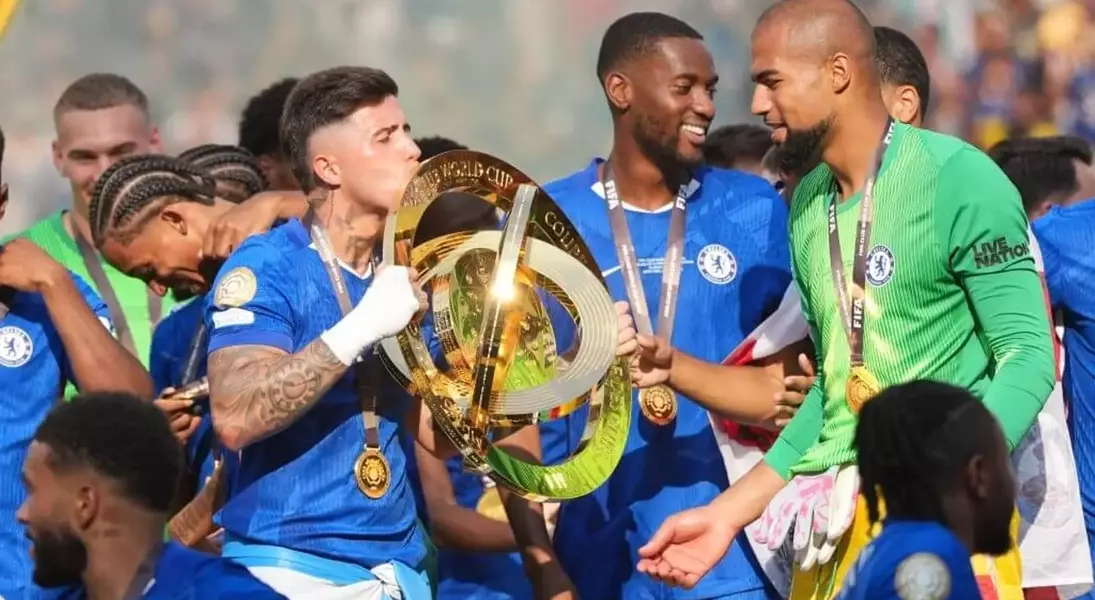
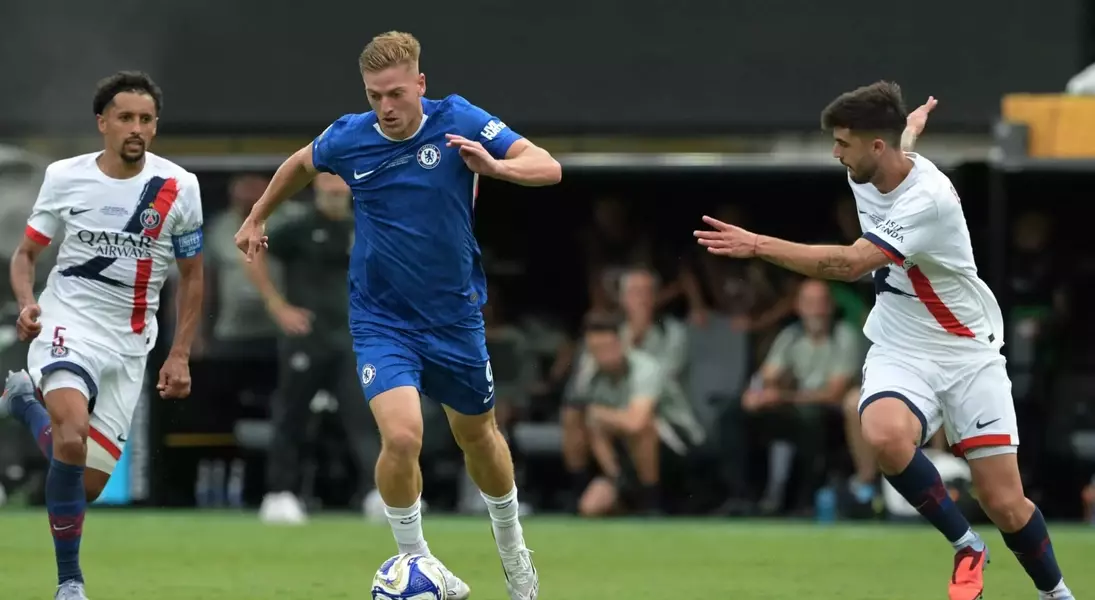
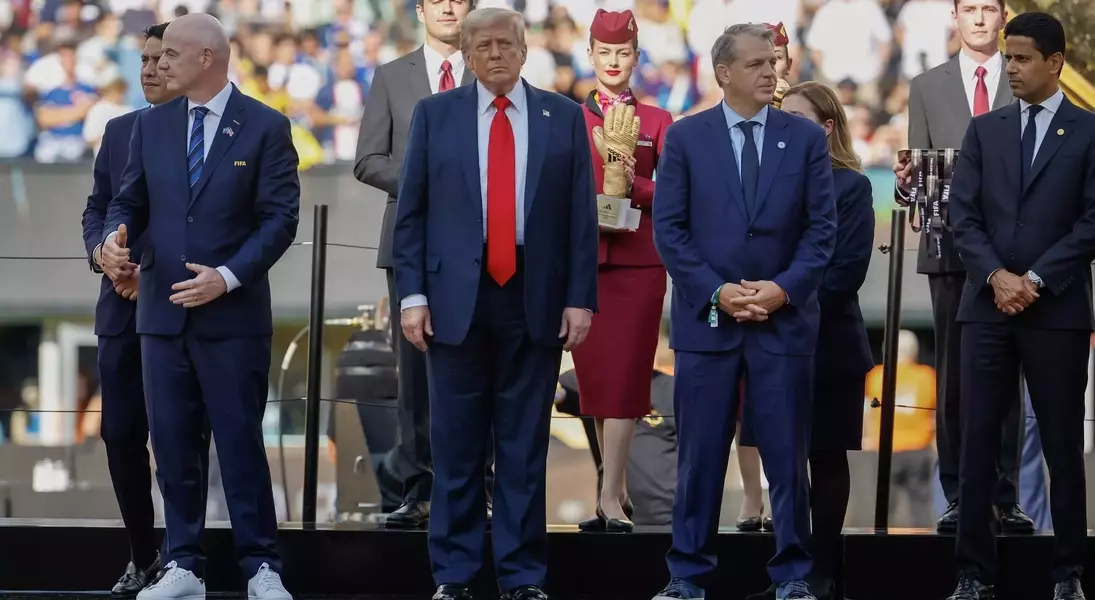
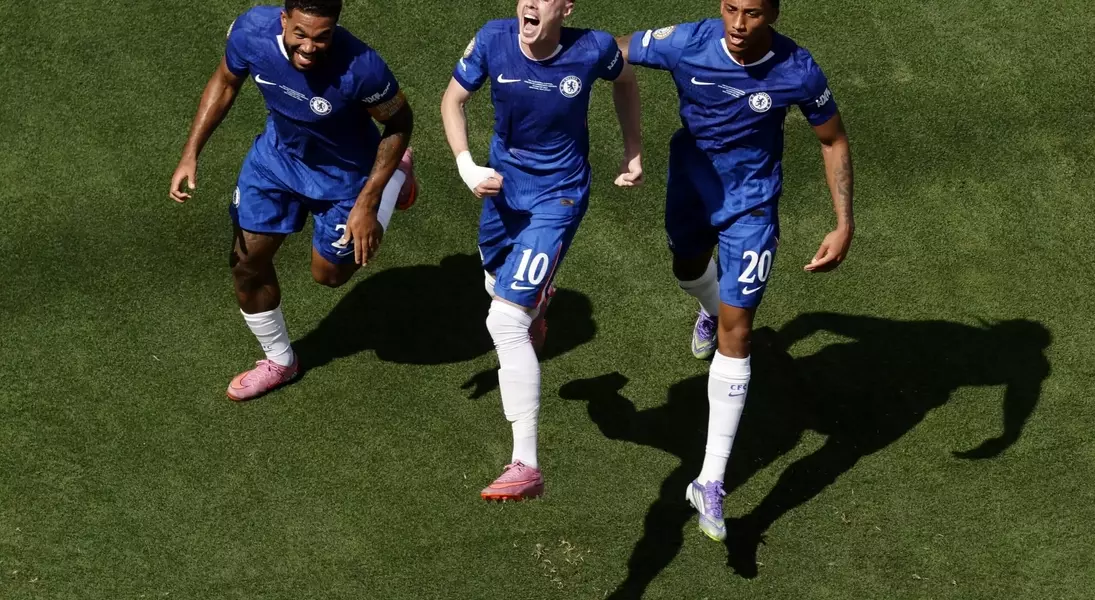
On a momentous Sunday at the illustrious MetLife Stadium in New Jersey, Chelsea Football Club etched their name into history, securing a resounding 3-0 victory over European champions Paris Saint-Germain to claim the first-ever expanded FIFA Club World Cup. This triumphant moment, defying expectations after a fourth-place Premier League finish and a Conference League title, not only brought immense prestige but also a staggering prize of 114.6 million dollars (or 84.5 million pounds), opening a realm of strategic possibilities for the club.
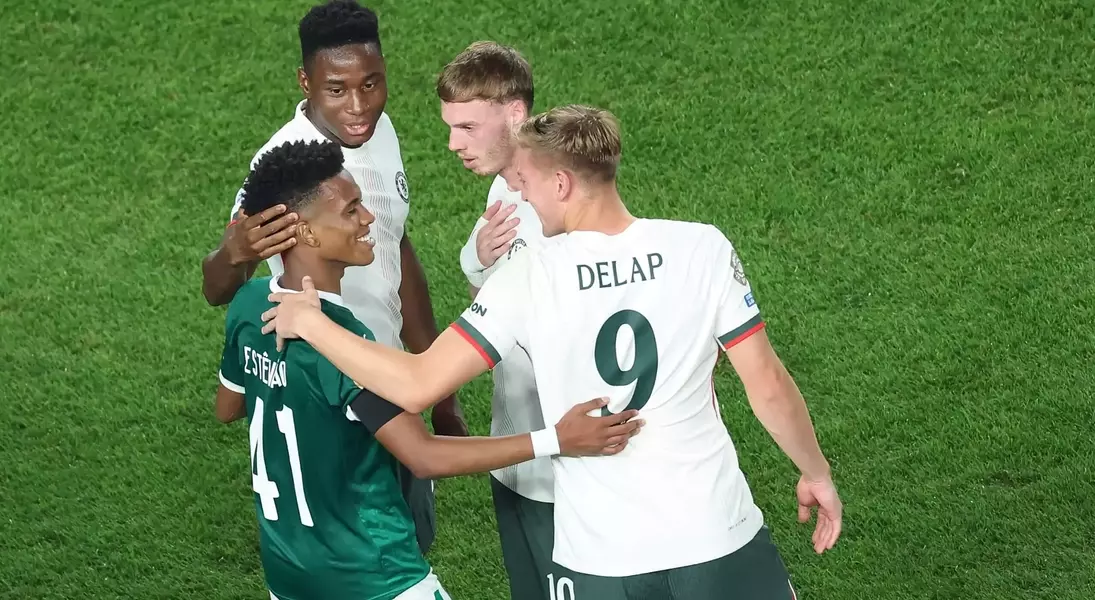
Following this significant financial injection, a portion of the earnings is earmarked for substantial bonuses for the players and coaching staff, aligning with Chelsea's incentive-based contract philosophy. However, the club's summer transfer strategy remains largely unaffected by this sudden windfall. Chelsea has already successfully integrated three new attacking talents – Liam Delap, Joao Pedro, and Jamie Gittens – into the squad. Further player acquisitions are contingent on key departures, with the current focus being on streamlining the squad by facilitating exits for players deemed outside long-term plans, including notable names like Raheem Sterling, Ben Chilwell, and Joao Felix. The club is actively pursuing targets such as Manchester United's Alejandro Garnacho and Aston Villa's Morgan Rogers, while also showing interest in Ajax defender Jorrel Hato.
The rigorous Club World Cup campaign in the United States has necessitated a condensed pre-season for the squad. Players who participated in the tournament have been granted a three-week break and are not expected to return to the Cobham training ground until the initial days of August. While personal training regimens are encouraged during this period, it cannot fully replicate collective team drills. The club viewed the tournament as a crucial component of their pre-season, utilizing it to integrate new signings and implement fresh tactical approaches under manager Enzo Maresca. Despite this, Chelsea faces a tight schedule with only two pre-season friendlies against Bayer Leverkusen and AC Milan before their Premier League opener against Crystal Palace.
Beyond the pitch, the club's ownership dynamics remain a topic of keen interest. Todd Boehly, co-owner, has been the primary public voice addressing the ownership structure, though his statements often leave more unsaid than revealed regarding his relationship with Clearlake Capital co-founder Behdad Eghbali. While their professional collaboration appears functional, underlying issues from the previous year persist, particularly concerning the long-term vision for the club's stadium.
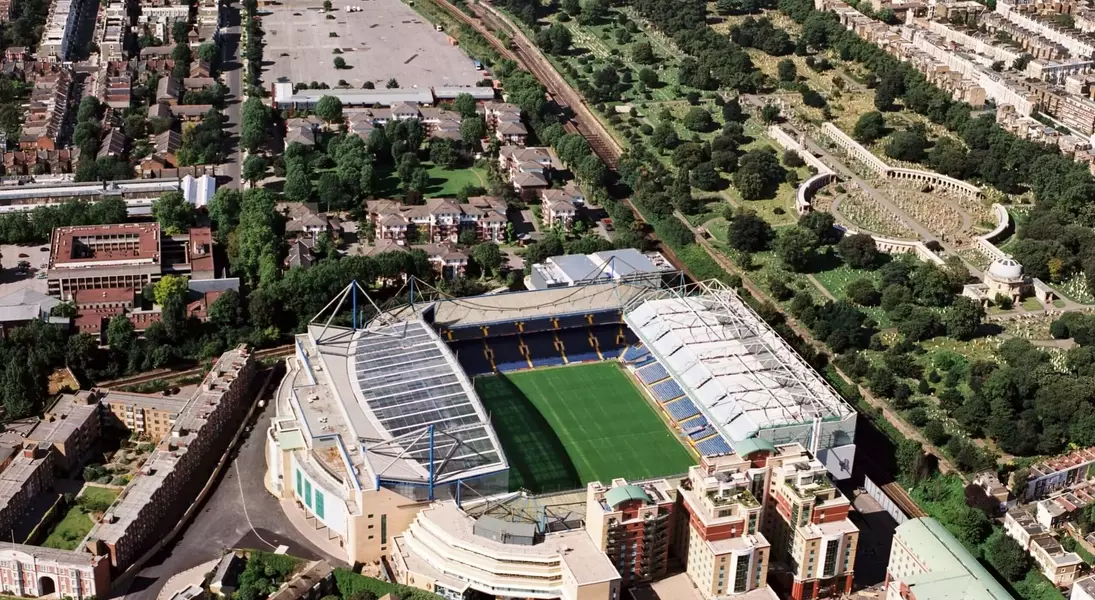
The future of Chelsea's home ground is a critical discussion. The option of a stand-by-stand renovation of Stamford Bridge has been discarded due to prohibitive costs and logistical complexities. This leaves two primary avenues: demolishing the historic Stamford Bridge for a complete rebuild on the same site, or acquiring the expansive Earls Court Exhibition Centre land for a new, modern arena. The former presents significant logistical hurdles within a confined urban space, while the latter involves intricate negotiations with multiple property stakeholders and requires overwhelming approval from the Chelsea Pitch Owners, a hurdle that even Roman Abramovich failed to clear in 2011. The club is diligently exploring both options, striving to balance expediency with meticulous due diligence to avoid falling behind rival Premier League clubs boasting state-of-the-art facilities.
In commercial news, Chelsea is actively pursuing a lucrative front-of-shirt sponsorship deal, engaging with up to ten major brands for a long-term agreement potentially valued at 60 million pounds annually. The club feels well-positioned to secure such a deal, attributing this confidence to their recent Club World Cup triumph, their return to the Champions League, and their identity as the Premier League's youngest team, featuring exciting talents like Cole Palmer and Moises Caicedo. Having consciously waited for their market value to improve, Chelsea is optimistic about finalizing a new partnership.
Internally, despite the recent successes, there's a strong emphasis on humility and realistic expectations for the upcoming Premier League season. While the question of a league title challenge has emerged externally, the club's internal objective remains consistent: securing Champions League qualification through a top-four or top-five finish and pursuing strong performances in domestic cup competitions.
Finally, the question of defending their Club World Cup trophy in four years remains ambiguous. FIFA has not yet clarified the automatic qualification criteria for future editions, leaving Chelsea's participation in the 2029 tournament uncertain. However, given FIFA's flexibility in interpretation for this year's event, and Chelsea's strong lobbying potential, it is highly probable they will push for inclusion as defending champions, or qualify through other meritorious means, potentially by winning the Champions League again.
As a devoted follower of the beautiful game, witnessing Chelsea's recent ascendancy to global champions is truly inspiring. This victory, while undeniably a high point, serves as a powerful reminder that true greatness in football is not merely about lifting trophies, but about the strategic foresight and relentless dedication required to sustain success. The club's current predicament—balancing immediate triumph with long-term strategic decisions regarding finances, squad evolution, ownership dynamics, and most crucially, the monumental stadium project—epitomizes the intricate challenges modern football clubs face. It’s a compelling narrative of ambition, a delicate dance between maintaining competitive edge and building a lasting legacy. For supporters, this period is a test of faith and patience, as the club navigates complex decisions that will ultimately define its future for decades to come. The journey ahead, fraught with both promise and potential pitfalls, will undoubtedly be a fascinating one to observe, reinforcing the notion that in football, the pursuit of excellence is a continuous and multifaceted endeavor.
