

In an era where medical expenses continue to burden countless individuals, a significant investigation reveals that numerous hospitals, despite operating as nonprofit entities and receiving substantial tax benefits, are offering remarkably limited financial assistance to patients in need. This trend is particularly pronounced in states like Minnesota, where the provision of charity care lags behind national averages, leaving many vulnerable individuals to contend with overwhelming medical debt.
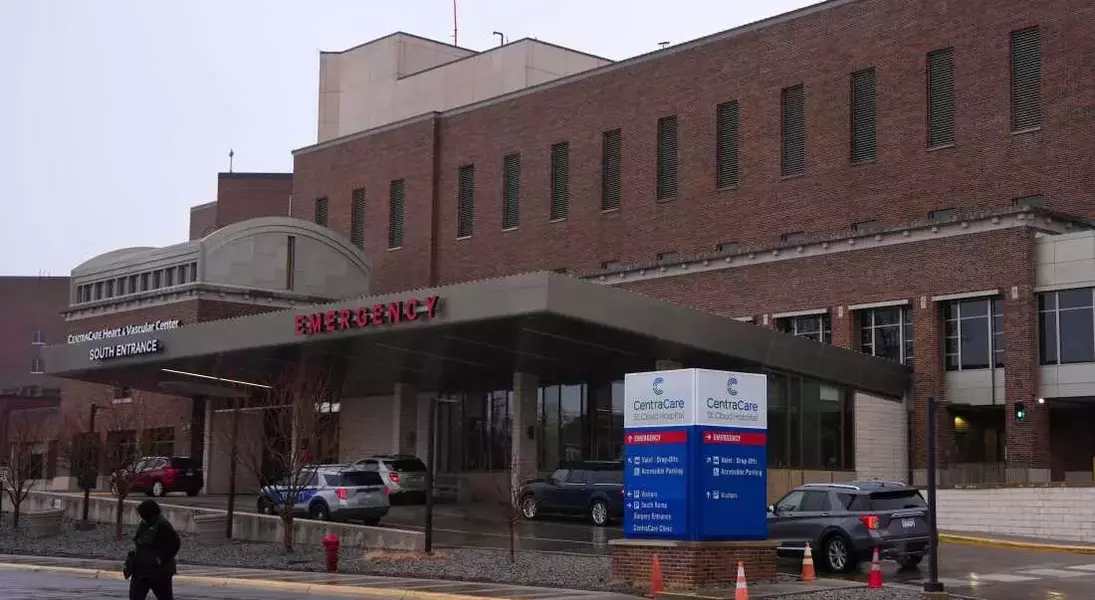
The predicament of Cori Roberts from St. Cloud, Minnesota, serves as a poignant illustration of this challenge. Four years prior, while residing in a rented basement, Roberts received a diagnosis of early-stage cervical cancer. Recently divorced and having re-entered the workforce in her mid-40s with an annual salary of $41,000 in a human resources role, she found herself confronting over $8,000 in medical bills, despite possessing health insurance. Roberts' financial precarity meant these unforeseen costs were insupportable. She sought assistance from CentraCare, the St. Cloud-based health system that provided her treatment. As a nonprofit charitable organization, CentraCare is obligated to offer financial aid to patients unable to cover their medical expenses, a responsibility that comes with millions in federal, state, and local tax exemptions. However, Roberts was informed that her income exceeded the eligibility criteria for such assistance. Consequently, she resorted to economizing on essential expenditures like groceries and holiday gifts for her children, diligently settling more than $6,000 of her debt over two years. Yet, CentraCare initiated legal action against her the previous year for the outstanding balance, prompting Roberts to question the health system's commitment to its nonprofit mission.
A collaborative investigation by KFF Health News and the Minnesota Star Tribune unearthed that CentraCare allocates a mere fraction of its operational budget to patient financial aid, a practice not uncommon among its peers. The findings indicate that Minnesota's hospitals and health systems rank among the least charitable nationwide, providing a significantly lower percentage of their operating budgets for financial assistance compared to the national average. Nationally, hospitals dedicate approximately 2.4% of their budgets to charity care, whereas Minnesota hospitals allocate roughly one-third of that figure. Specifically, 62 of Minnesota's 123 general hospitals spent less than 0.5% of their operating budgets on charity care between 2020 and 2024, with CentraCare's main St. Cloud Hospital spending under 0.25%, equating to just $25 in patient aid for every $10,000 in operational costs.
Experts like Erin Hartung, director of legal services at Cancer Legal Care, a Minnesota nonprofit assisting patients with medical debt, emphasize that the current system is failing, with the most financially disadvantaged bearing the heaviest burden. The issue of charity care is anticipated to intensify as the number of uninsured Americans rises, exacerbated by projected budget reductions from the Trump administration affecting Medicaid and other safety net programs. The national medical debt crisis already impacts an estimated 100 million individuals, making charity care crucial even for those with insurance who face insurmountable bills.
Hospital administrators, such as Tim Nelson of the Minnesota Hospital Association, argue that it is unreasonable to expect hospitals, many of which are financially strained, to entirely resolve the affordability crisis. They assert that the need for financial aid far exceeds what hospitals alone can provide. However, Minnesota Attorney General Keith Ellison contends that hospitals, in exchange for their tax exemptions, have a duty to expand charitable support for all patients in need. Several factors contribute to Minnesota hospitals' low charity care rates, including extensive job-based insurance coverage and a robust Medicaid program. States with less governmental support and higher uninsured populations typically exhibit greater charity care expenditures.
Another significant obstacle for patients is the inconsistent eligibility criteria and arduous application processes for financial aid across hospitals. The Star Tribune-KFF Health News investigation revealed that while some hospitals only consider income, most require comprehensive personal financial disclosures, including bank statements, retirement accounts, mortgage documents, and appraisals of assets such as vehicles, homes, or livestock. The absence of standardized charity care criteria in Minnesota means that eligibility can vary wildly between institutions, with some offering free care to households earning $47,000 annually, while others cap it at $15,000. This disparity means that patients like Roberts, unaware of these differences, might miss out on more generous aid policies available just a short distance away.
The demanding nature of these applications, which can include up to 53 questions about financial specifics and requests for tax returns, W-2 forms, and pay stubs, deters many from seeking assistance. Jared Walker, founder of Dollar For, a nonprofit dedicated to helping people navigate charity care applications, highlights that the more questions asked and documents required, the higher the dropout rates. In stark contrast, hospitals have streamlined the process for patients to make payments or set up payment plans. Roberts, now remarried and residing in St. Cloud, reflects on the perceived disconnect between the substantial expansions of facilities like CentraCare's Plaza campus and the lack of financial grace extended to individuals facing medical hardships.
