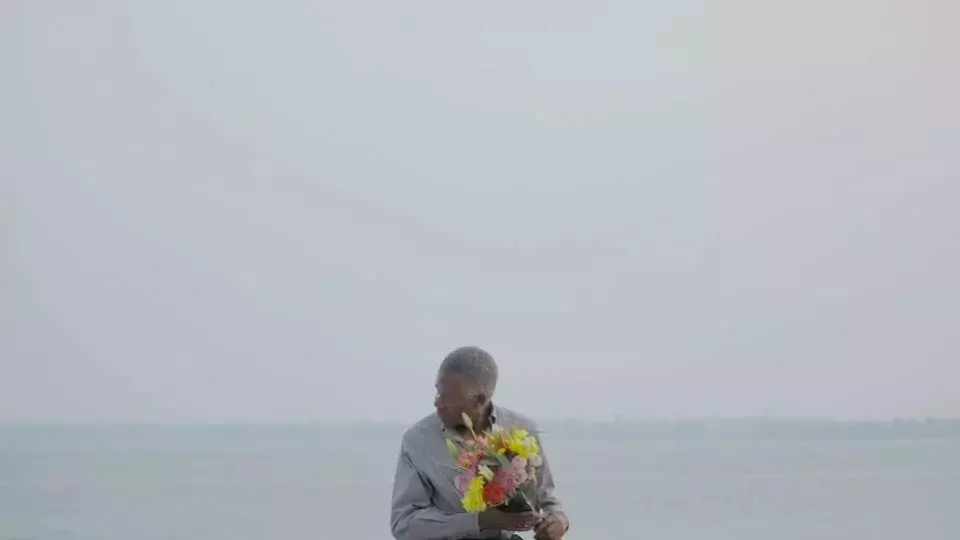
"Chapa 100" stands as a poignant narrative originating from Mozambique, delving into themes of affection, yearning, and enduring aspirations. This cinematic endeavor, recognized at the Locarno Film Festival's Open Doors initiative, embarks on a surrealist romantic journey through the vibrant streets of Maputo. It artfully weaves together the intertwined lives of an elderly florist and a vegetable vendor, against the backdrop of the city's iconic minibuses, known as "chapas." The film, directed by Ique Langa, showcases the resilience of the human spirit and the possibility of discovering profound connections later in life.
The film explores universal sentiments of love, melancholy, aging, optimism, and grief. It portrays how even in advanced age, the desire for companionship and a different future can remain intensely vivid. The narrative invites audiences to reflect on the courage required to pursue dreams despite life's adversities. "Chapa 100" aims to bridge cultural divides by presenting a story whose emotional resonance transcends its Mozambican setting, allowing viewers from diverse backgrounds to connect with its core messages of hope and the enduring power of human connection, irrespective of familiar landscapes or customs.
The Poignant Narrative of "Chapa 100"
"Chapa 100," a surrealist romance emerging from Mozambique, was prominently showcased at the Locarno Film Festival's Open Doors program, an initiative dedicated to nurturing filmmakers from underrepresented communities. Directed by Ique Langa, whose prior work, "The Prophet," premiered at the International Film Festival Rotterdam, this project is spearheaded by Lara Sousa of Kulunga Filmes. The film captures the essence of Maputo's lively environment, where 80-year-old flower vendor Sitóe encounters Valentina, a vegetable seller in her seventies. Their serendipitous meeting blossoms into a quiet romance, fueled by a shared dream of cultivating a garden where their respective passions can flourish. The narrative takes a surreal turn after an unfortunate incident involving a chapa, Mozambique's ubiquitous minibuses, transforming Sitóe's presence into an ethereal connection that continues to inspire hope and love, weaving a rich tapestry of human experience.
The film's plot centers on the unexpected love story between Sitóe and Valentina, two septuagenarians whose bond deepens amidst the daily hustle of Maputo. A simple shared moment over a flower ignites their affection, leading them to envision a future together on a patch of land. However, fate intervenes when Sitóe is tragically struck by a chapa while pursuing a thief who stole Valentina's wig. His spirit, refusing to depart, becomes intertwined with the very minibus that caused his demise, navigating the city and silently observing the lives of its passengers. Within this vehicle, flowers mysteriously bloom, symbolizing Sitóe's enduring spirit. In a profoundly moving scene, Valentina boards the chapa, carrying a flower he once gave her, and senses his presence, reaffirming their unbreakable connection. This story, rooted in the vibrancy of Maputo and its minibuses, transcends cultural boundaries to deliver a powerful message about enduring love, the impact of loss, and the eternal nature of dreams.
Universal Resonance and Future Aspirations
Ique Langa's inspiration for "Chapa 100" originated from a vivid dream—a vision of a chapa transforming into a magical vehicle adorned with flowers, carrying people through Maputo. This dream evolved into the story of Sitóe and Valentina, portraying how the capacity for dreaming and finding love remains undiminished by age. The film celebrates the courage to envision new possibilities and to pursue a future, rather than solely reminiscing about the past. Beyond its romantic core, "Chapa 100" also gently touches upon themes of grief, illustrating how love can persistently anchor us to life amidst loss. Langa deliberately leaves aspects of this exploration open-ended, allowing the narrative to unfold organically through the characters and the unique setting of Maputo, thereby inviting audiences to interpret and connect with the film's deeper emotional layers on a personal level.
While "Chapa 100" is deeply embedded in the cultural landscape of Maputo, its emotional depth and thematic explorations resonate universally. The film's core themes of love, loneliness, aging, hope, and loss are experiences common to all humanity, making it accessible to global audiences. Sitóe and Valentina's journey demonstrates that the desire for love and a hopeful future transcends age, challenging societal perceptions that often marginalize the dreams of older individuals. Langa expresses hope that viewers outside Mozambique, though unfamiliar with Maputo or its chapa system, will find common ground in the shared human experiences of love, loss, hope, and the unwavering pursuit of dreams against all odds. The immediate focus for Langa and his team, including lead producer Lara Sousa of Kulunga Filmes and director of photography Mostafa El Kashef, involves script development, securing funding, and forging international partnerships to bring this compelling story to life, ensuring it remains authentically Mozambican while touching hearts worldwide.
