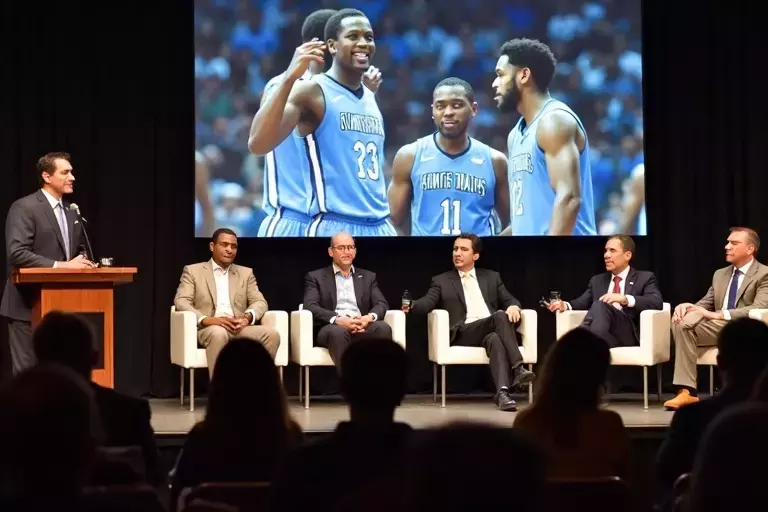

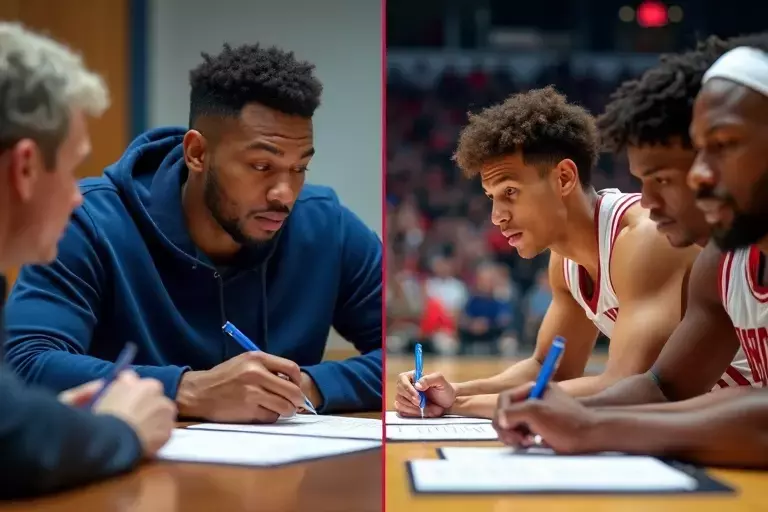


The world of college basketball has undergone significant transformations recently, largely influenced by the transfer portal and Name, Image, and Likeness (NIL) opportunities. While these changes bring financial benefits to athletes, they also challenge traditional values like school pride. In a recent interview with Sports Illustrated, former Kentucky standout and NBA champion Anthony Davis shared his thoughts on how NIL is reshaping collegiate sports. He expressed concerns about how financial incentives might overshadow players' commitment to their schools, affecting team culture and loyalty.
In this era, college athletes are seizing opportunities that can significantly impact their futures financially. However, some argue that this shift detracts from the essence of college sports, which traditionally emphasized allegiance to one's institution. As Davis pointed out, when players choose schools based primarily on monetary benefits, it could dilute the authenticity of college basketball. This situation creates a complex scenario where both positive and negative aspects coexist.
Davis elaborated on the challenges posed by the transient nature of today's college sports landscape. With players frequently transferring between institutions, maintaining a cohesive team culture becomes increasingly difficult. The fluidity of player movement means teams may struggle to establish lasting traditions or a strong sense of unity. This phenomenon raises questions about whether the current system truly serves the long-term interests of both athletes and universities.
Balancing financial empowerment with preserving the spirit of college athletics remains a critical issue. While NIL provides substantial benefits to athletes and their families, its influence on the integrity and culture of college sports cannot be overlooked. As observed by Davis, the evolving dynamics necessitate careful consideration to ensure that future generations of athletes find value not only in personal gains but also in contributing positively to their educational communities.
As college sports continue to adapt, discussions around these changes highlight the need for thoughtful regulation. Striking a balance between empowering athletes through financial opportunities and upholding cherished traditions is essential. Voices like Davis's underscore the importance of addressing these issues proactively, ensuring that college basketball evolves in ways that benefit all stakeholders involved.
