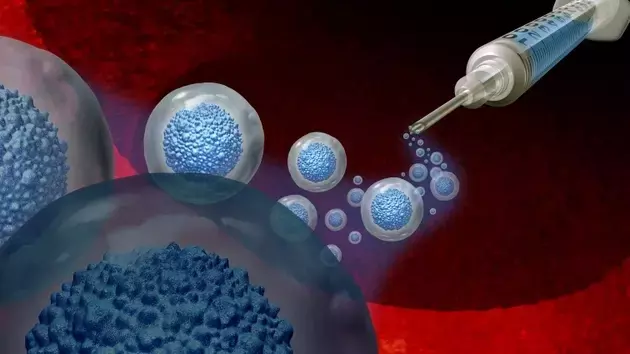
Century Therapeutics is making significant strides in the development of a groundbreaking therapy for Type 1 Diabetes Mellitus (T1DM). The company's pioneering work focuses on an induced pluripotent stem cell (iPSC)-derived β-cell therapy, known as CNTY-813, which holds the promise of a durable, single-administration cure. This innovative approach seeks to fundamentally change T1DM treatment by addressing the root cause of the disease. Through its advanced Allo-Evasion platform, Century Therapeutics aims to overcome the complex challenges of immune rejection that have historically hindered cell-based therapies. This platform is designed to achieve comprehensive immune evasion by targeting multiple components of the immune system, including T-cells, NK-cells, and humoral immunity. Such a multifaceted strategy could offer a distinct advantage over existing and competitor treatments, potentially leading to superior long-term engraftment and functionality of the transplanted cells.
Century Therapeutics Pioneers Novel Diabetes Cure with Advanced iPSC Technology
In the dynamic landscape of biotechnological innovation, Century Therapeutics is distinguishing itself as a frontrunner in the pursuit of a functional cure for Type 1 Diabetes Mellitus (T1DM). The company, with its ticker symbol IPSC, is actively engaged in developing sophisticated therapies derived from induced pluripotent stem cells (iPSCs). These therapies extend beyond T1DM to encompass autoimmune disorders and various oncology indications. At the core of Century Therapeutics' groundbreaking efforts is CNTY-813, a hypoimmune iPSC-derived β-cell therapy specifically engineered to offer a sustained and potentially single-dose solution for T1DM. This therapeutic candidate represents a significant leap forward, aiming to address the underlying pathology of the disease rather than merely managing its symptoms.
A pivotal aspect of Century Therapeutics' strategy is its proprietary iPSC platform, which facilitates the scalable and consistent production of cell therapies. This platform is further enhanced by the Allo-Evasion technology, a sophisticated system designed to circumvent immune rejection. Unlike many competing approaches that focus on a single aspect of immune modulation, Allo-Evasion employs a comprehensive strategy, simultaneously targeting T-cell, NK-cell, and humoral immunity. This broad-spectrum immune evasion capability is critical for ensuring the long-term survival and functionality of transplanted cells within the patient's body, a challenge that has historically limited the success of cell-based therapies for T1DM. By offering such a robust defense against immune attack, Century Therapeutics aims to achieve superior engraftment rates and sustained therapeutic benefits compared to rival platforms from companies like SANA, VRTX, and CRSP.
Financially, Century Therapeutics is well-positioned to advance its ambitious development pipeline. With a projected cash runway extending into the first quarter of 2029, bolstered by a recent $135 million Private Investment in Public Equity (PIPE) from prominent biotech investment funds, the company possesses substantial resources. This strong financial foundation is crucial for supporting the progression of its T1DM program. The company anticipates submitting an Investigational New Drug (IND) application in 2026, with initial clinical data expected to emerge in 2027. While the journey from preclinical development to market approval is fraught with challenges, including intense competition, the complexities of manufacturing scale-up, and the need to demonstrate long-term durability and safety, the potential upside is considerable. The vast and underserved T1DM market, coupled with Century Therapeutics' innovative and comprehensive immune evasion approach, suggests that success in this endeavor could yield transformative results for patients and significant returns for investors.
The pursuit of a permanent cure for Type 1 Diabetes represents a monumental challenge in medical science. Century Therapeutics' dedication to developing advanced iPSC-derived cell therapies and its strategic focus on comprehensive immune evasion are truly inspiring. This journey underscores the critical importance of sustained investment in biomedical research and the potential for innovative scientific breakthroughs to profoundly improve human health. Success in this field would not only offer new hope to millions living with diabetes but also pave the way for similar therapeutic advancements in other challenging diseases. The commitment to overcoming complex biological hurdles through cutting-edge science is a testament to the transformative power of biotechnology.
