The documentary "American Pachuco: The Legend of Luis Valdez" offers a compelling exploration of the life and enduring influence of Luis Valdez, a pivotal figure in Mexican American storytelling. Narrated by Edward James Olmos, the film delves into Valdez's groundbreaking work in theater and cinema, highlighting his commitment to defining and celebrating Chicano identity.
Unveiling a Cultural Icon: Valdez's Enduring Spirit
Edward James Olmos's Homage to a Chicano Visionary
Edward James Olmos reprises his iconic "Zoot Suit" persona through voice narration in "American Pachuco: The Legend of Luis Valdez," a documentary by David Alvarado. This film serves as a heartfelt tribute to Luis Valdez, a Mexican American narrative artist whose contributions, though perhaps not widely recognized in mainstream American consciousness, are undeniably monumental.
Defining Chicano Identity Through Art and Activism
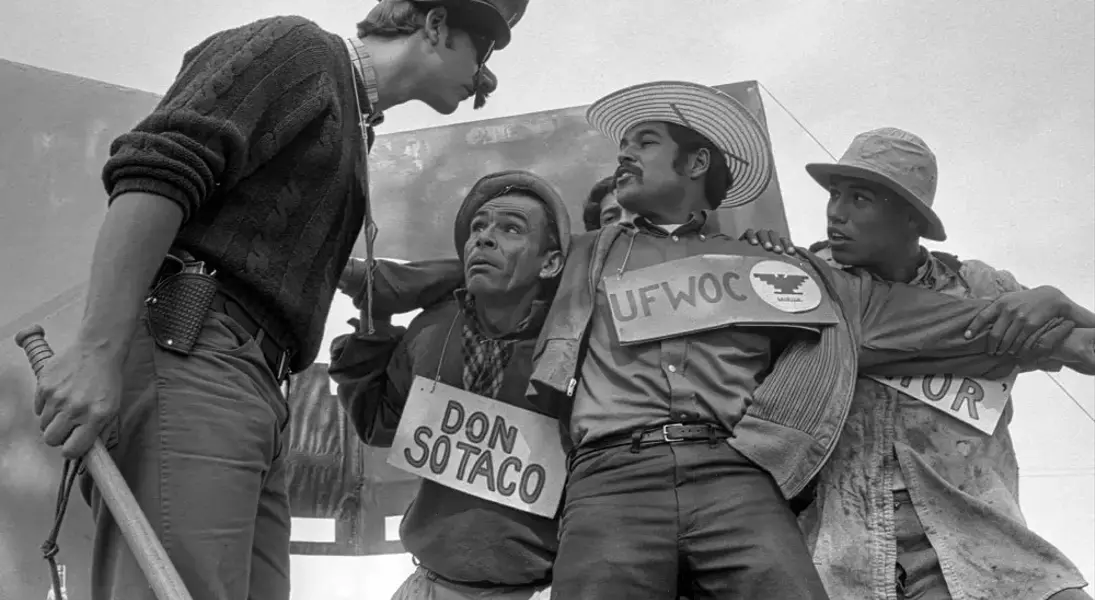
David Alvarado's documentary meticulously details the profound impact of Luis Valdez's work, particularly with Teatro Campesino, a community theater group that initially emerged from the United Farm Workers movement alongside Cesar Chavez. Valdez's artistic journey extended to major theatrical productions and Hollywood, notably with the film "La Bamba." The documentary is crucial in articulating the nuances of Chicano identity, portraying it as a unique worldview forged by individuals of Mexican descent in the United States who, despite being marginalized, affirmed their own cultural heritage rather than recent immigrant status.
An Artist's Journey: From Farm Fields to National Stages
Luis Valdez, born into a family of farm workers in Delano, California, found his artistic calling early in life. Inspired by his older brother Frank's pursuit of education, Valdez recognized the potent power of live performance to deeply affect audiences. His experiences, intertwined with his advocacy for workers' rights, molded him into a politically engaged artist dedicated to social change.
Challenging Perceptions: Valdez's Impact on Storytelling
Prominent figures such as Oscar-winning filmmaker Taylor Hackford, actor Lou Diamond Phillips, and renowned labor leader Dolores Huerta contribute their perspectives on Valdez's distinctive artistic approaches. They discuss how Valdez used his art to confront societal injustices and dismantle the prevailing white perceptions of Chicanos. His televised play, "Los Vendidos (The Sellouts)," which cleverly concludes the documentary, satirizes the various stereotypes and idealized versions of Mexican Americans imposed by mainstream society.
The Power of Language and Resilience in Identity
Throughout the film's narrative, Valdez’s complex relationship with language is explored. His determination to study literature, fueled by assumptions about his English proficiency based on his appearance, led him to embrace his authentic self. He used language, including Caló—a blend of English and Spanish—to assert his distinct identity, introducing terms like "rasquachi," which signifies value found in resourcefulness and resilience despite imperfect aesthetics.
Brotherhood and the Complexities of Assimilation
The theme of brotherhood is a central emotional pillar in Valdez's artistic vision, not only through his collaboration with his younger brother Danny Valdez on projects like "La Bamba" but also through the poignant narrative of his strained relationship with his older brother Frank, who chose to shed his Mexican heritage in pursuit of assimilation. This dichotomy highlights the internal struggles faced by many Mexican Americans.
A Defiant Celebration of Chicano Heritage
Alvarado's documentary, while conventionally structured, exudes a vibrant energy that mirrors Valdez's engagement with the sociopolitical challenges confronting Chicanos. Valdez's art was never born from self-pity but from a determined spirit to defy those who underestimated his background. The film's very existence is a political statement, celebrating a Mexican American pioneer who proudly embodies the complexities of his identity, a message particularly resonant in the current social climate.
