

The global leader in electric vehicle battery production, Contemporary Amperex Technology Co. Limited (CATL), through its visionary founder Robin Zeng, has issued a stark warning regarding the future of the American EV sector. Zeng contends that the United States' protectionist stance against Chinese EV components and batteries will, in the long run, impede the growth and competitiveness of its domestic automotive industry. This perspective comes amidst a complex geopolitical landscape where US policymakers have imposed significant tariffs, viewing Chinese battery manufacturers as a national security concern. However, the realities of technological reliance and market demand are creating a challenging scenario for American automakers. Zeng forecasts a potential policy shift around 2028, driven by the undeniable economic benefits and the prevailing influence of business interests over political barriers.
The Indispensable Role of CATL in the US EV Landscape
On March 25, 2026, Robin Zeng, a prominent figure and one of China's wealthiest individuals, conveyed his belief to The Wall Street Journal that the American electric vehicle market's prosperity is inextricably linked to CATL's technology. Despite the considerable tariffs levied by both the Biden and Trump administrations against Chinese-made EVs and batteries, CATL demonstrated its formidable market position by achieving record profits exceeding $10 billion in 2025. This success was largely attained without significant direct entry into the US market, showcasing its global dominance where approximately one in three electric vehicles sold worldwide are powered by CATL's batteries. Zeng emphasizes that without CATL's advanced battery solutions, particularly the cost-effective lithium-iron-phosphate (LFP) technology, the US EV industry faces an arduous and expensive path to development.
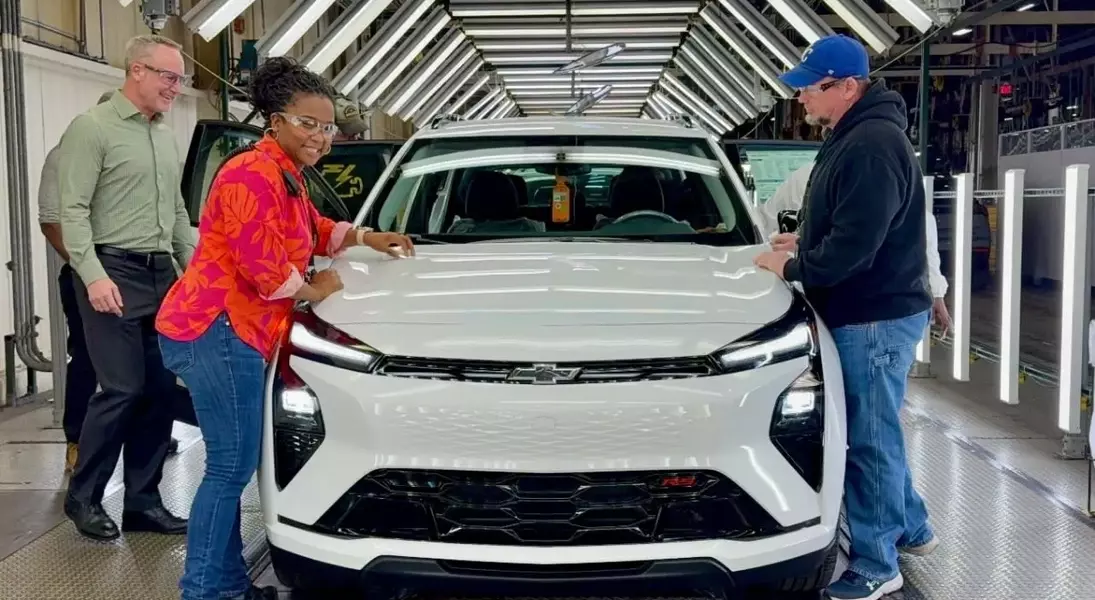
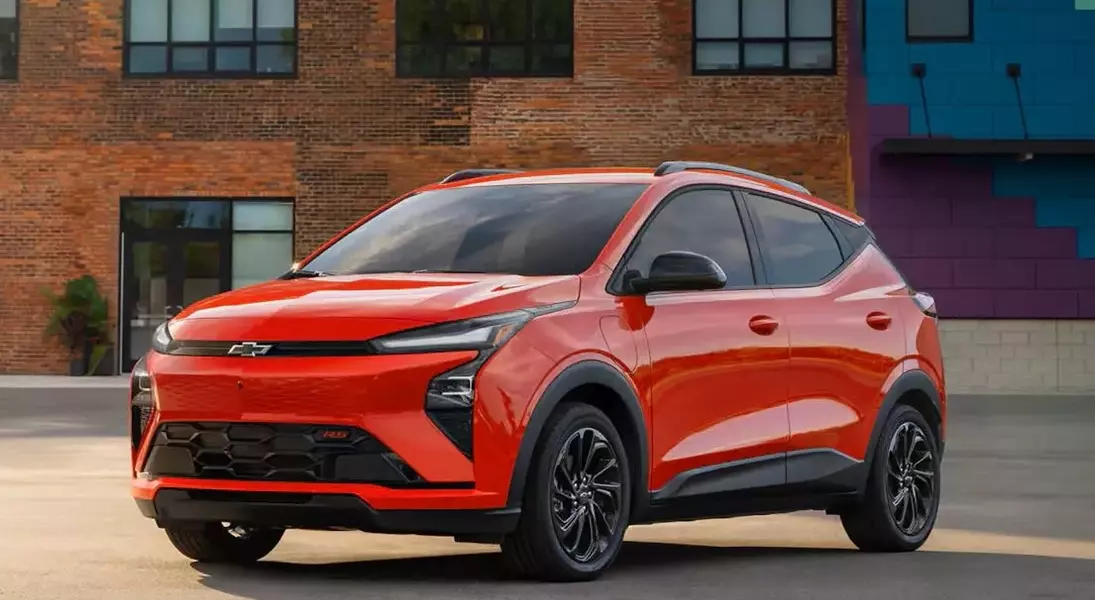
Indications of this dependency are already surfacing. Ford, a major American automaker, has shifted its strategy by partnering with CATL for its Michigan battery plant, where it plans to produce CATL-designed LFP batteries. This arrangement involves intellectual property royalties paid to CATL, navigating existing US legal and political frameworks. Similarly, General Motors is incorporating CATL-sourced LFP batteries into its 2027 Chevrolet Bolt model. While currently importing these batteries from China under a temporary agreement, enduring a 60% tariff, GM's decision underscores the immediate necessity for affordable battery technology, especially given the underutilization of its own multi-billion-dollar US battery facilities. Even Tesla utilizes CATL technology for its Nevada energy-storage systems. These developments highlight a growing reliance on CATL's innovations, suggesting that a complete isolation from Chinese battery technology may prove unsustainable for the US.
As the debate continues, proponents of collaboration with CATL argue that the company is crucial for enabling the production of more affordable batteries and accessible electric vehicles in the US. They warn that a continued exclusionary policy risks the US falling irrecoverably behind in the global EV race. Robin Zeng remains firm in his conviction that American industry requires CATL's cutting-edge, cost-efficient battery technology to stay competitive, especially for advanced EVs and autonomous vehicles like robotaxis. He acknowledges CATL's willingness to invest in the US, despite current restrictions preventing the establishment of manufacturing facilities. Zeng optimistically looks towards 2028, believing that the inherent strength and longevity of business relationships will ultimately transcend political barriers, paving the way for greater cooperation.
The discourse surrounding CATL's role in the US electric vehicle market underscores a pivotal moment in global automotive industry development. It highlights the intricate balance between national economic protectionism and the imperative for technological advancement and market competitiveness. The insights shared by CATL's founder, Robin Zeng, serve as a potent reminder that in a globalized economy, innovation and supply chain integration often outweigh political divides. For the US, embracing or isolating from key international players like CATL will undoubtedly shape the trajectory of its EV future. This situation invites further reflection on how countries can foster domestic growth while leveraging global expertise for collective progress in sustainable technologies.
