
For years, many gamers, myself included, have yearned for a spiritual successor to the critically acclaimed 2012 title, Fez, which masterfully blended 2D and 3D perspectives to conceal intricate puzzles. The innovative mechanic of rotating a seemingly flat world to reveal hidden pathways and solutions was a stroke of genius that, surprisingly, few games have successfully replicated. Now, a new contender has emerged, promising a similar level of ingenuity and challenge: Cassette Boy.
A World Reimagined: The Adventure of Cassette Boy
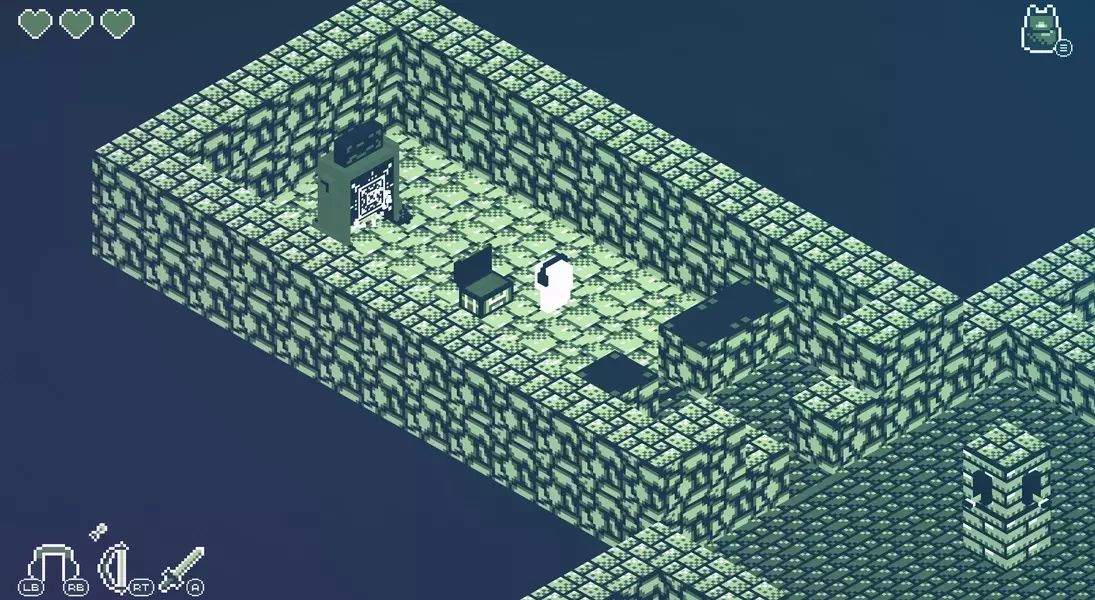
In this captivating new release, players take on the role of a small, cube-like hero whose primary mission is to locate the missing moon. Initially, the game draws parallels to classic adventure titles, with our protagonist even acquiring a sword from a stone within the opening moments. However, Cassette Boy swiftly distinguishes itself through its core gameplay loop: the ability to freely manipulate the game world's orientation. This empowers players to spin environments at will, revealing unseen passages and uncovering the solutions to complex puzzles.
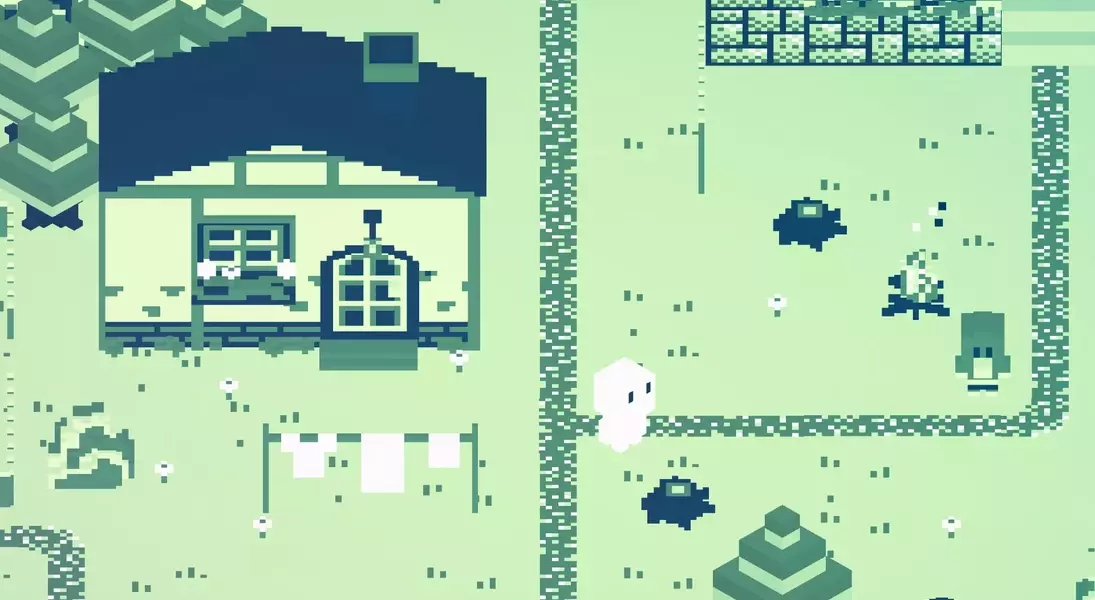
Much like its spiritual predecessor, Cassette Boy excels at presenting a familiar 2D landscape that harbors a wealth of secrets just beyond the visible plane. Rotating a house or a tree can unveil a hidden coin or a crucial pathway, a trick that often goes unnoticed by the game's non-player characters, who remain oblivious to the dimensional shifts. This creates a compelling sense of having a unique, almost cheat-like understanding of the world, fostering a deep sense of discovery and accomplishment.
The game's optional shrine rooms are where its puzzle design truly shines, offering no instructions but instead relying on player intuition and experimentation. One memorable instance involved using a crate to scale a wall and then strategically shooting an arrow at an otherwise inaccessible switch. The satisfaction derived from independently deciphering such challenges is immense. This foundational understanding is then subtly reinforced throughout the game, as players apply these learned mechanics to aid other characters, like an old man locked out of his dwelling.
As the adventure progresses, the world of Cassette Boy expands, presenting branching paths and intricate, multi-layered environments. What might appear as a simple hallway filled with skeletal archers can quickly transform into a complex navigational puzzle, requiring players to rotate the space, discover hidden doorways, or even utilize vertical movement by dropping from higher levels. This constant reorientation, while sometimes disorienting for those less spatially inclined, consistently offers opportunities to uncover previously missed secrets, ensuring a fresh experience with each revisit.
One particularly challenging puzzle involved manipulating pressure plates by rotating the environment to render them intangible and thus 'locked' in position. The solution required an ingenious sequence: lowering a wall, firing an arrow towards a hidden lever, and then swiftly rotating the room so the wall would rise behind the arrow mid-flight, allowing it to hit its target. The sheer exhilaration upon successfully executing this complex maneuver transported me back to the golden age of inventive puzzle gaming, akin to the feeling of playing Fez for the first time.
Ultimately, Cassette Boy stands as a remarkable achievement, far exceeding the label of merely a 'Fez-like.' Its unique blend of exploratory gameplay, intuitive puzzle design, and constantly evolving mechanics—including the later introduction of tools like bombs—demonstrates a profound understanding of player engagement. Even with fewer elements, the game would be enjoyable, but the knowledge that it becomes even richer with secrets and possibilities as it unfolds is truly exciting. Cassette Boy is now available on Steam, offering a fresh and deeply rewarding adventure for puzzle enthusiasts.
Cassette Boy offers a profound insight into the enduring appeal of clever game mechanics and the satisfaction of intellectual challenge. It reminds us that innovation doesn't always require groundbreaking technology, but rather a fresh perspective on established ideas. The game's success in building upon the foundational concepts of its predecessors, while also forging its own identity, serves as a powerful testament to the creativity that still thrives within the indie game development scene. For players, it's an invitation to engage their minds, embrace exploration, and revel in the joy of discovery, proving that sometimes, the most rewarding experiences are found in the overlooked corners of a rotating world.
