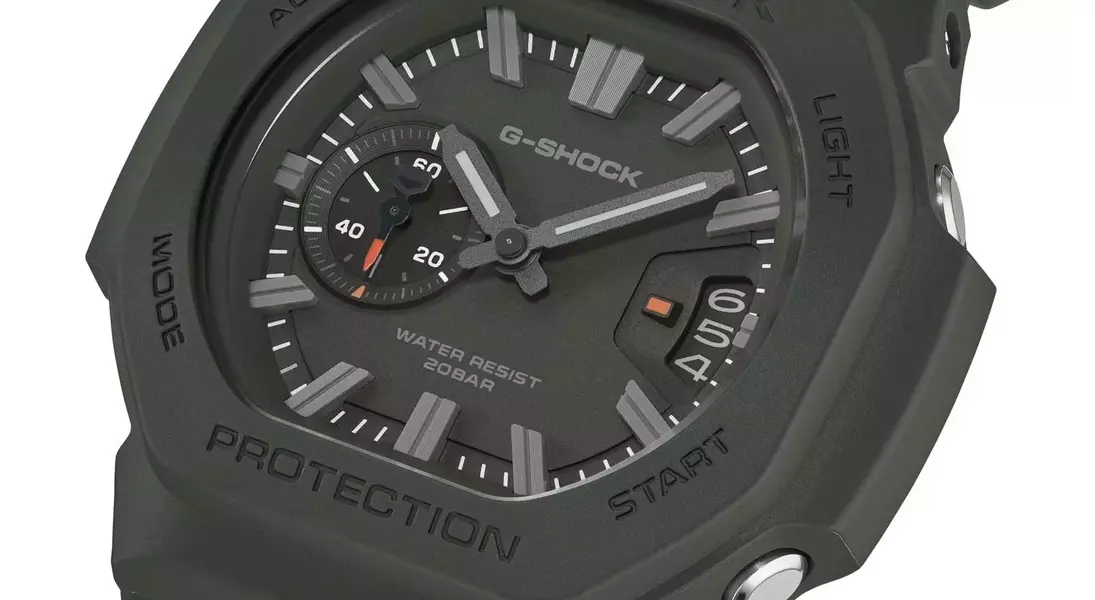
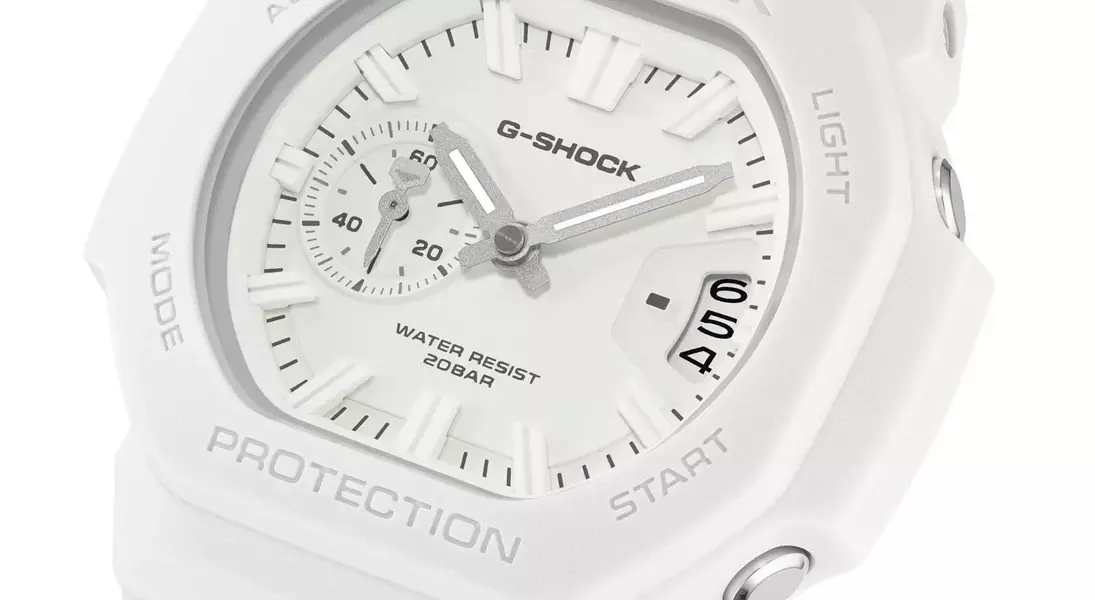
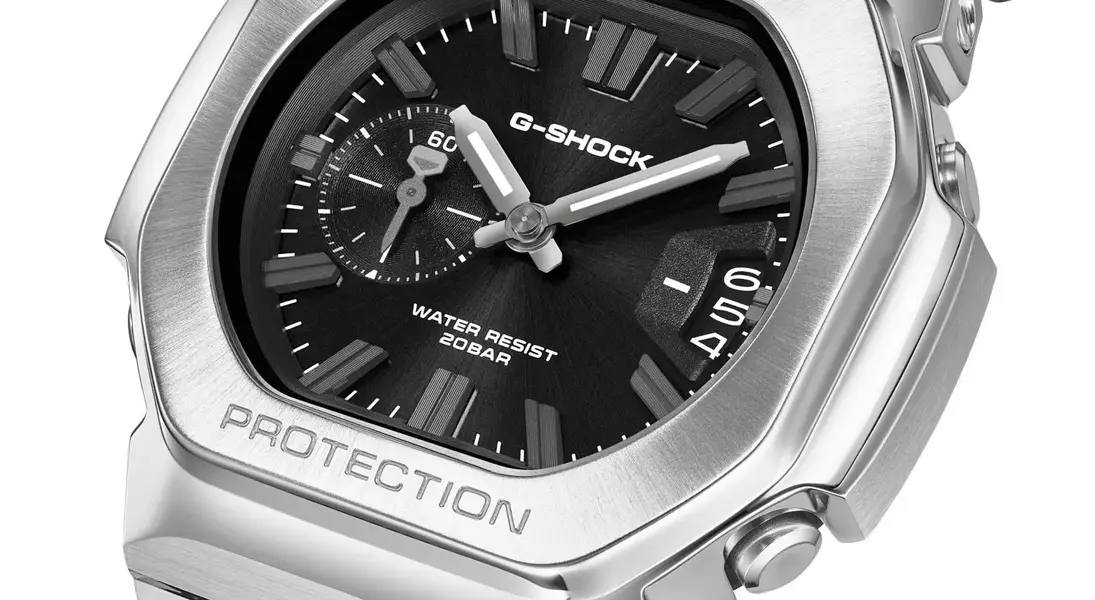
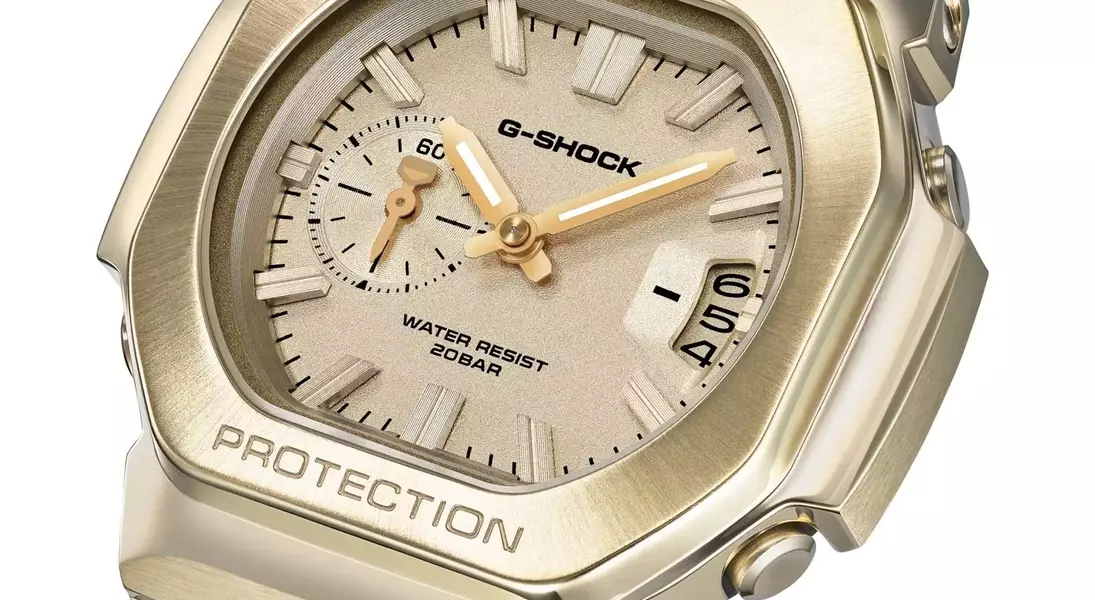
Casio's latest G-Shock offering, the 2500 Series, has taken the watch world by storm, seamlessly blending the rugged durability of the original G-Shock with the elegant aesthetic of Patek Philippe's Nautilus. This innovative collection, playfully nicknamed the 'CasioNaut,' is a testament to bold design choices and functional excellence. Since its accidental leak in September and official launch on November 6th, the series has captivated collectors, offering a fresh perspective on what a resilient timepiece can be.
Casio's 'CasioNaut' Debut: Merging Durability with Iconic Design
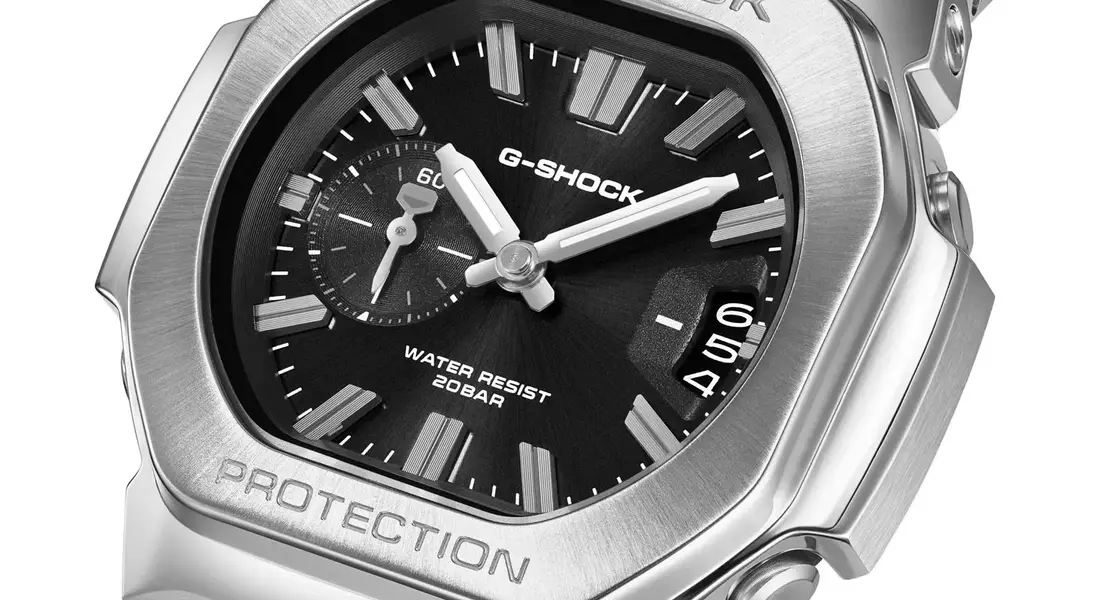
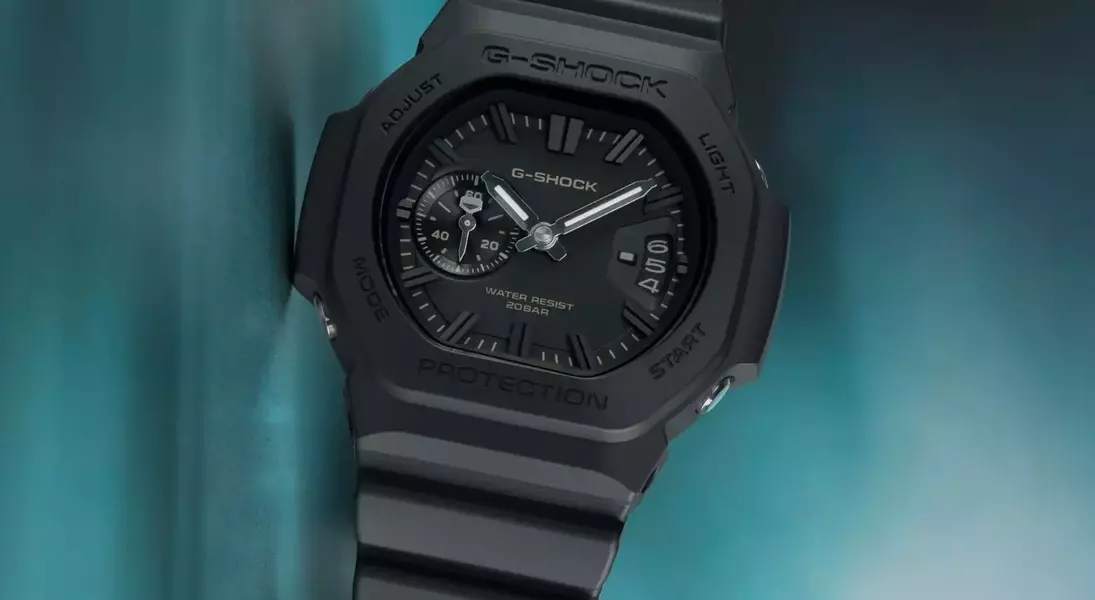
In a surprising move that has delighted watch enthusiasts, Japanese watchmaker Casio has officially launched its highly anticipated 2500 Series, a collection that artfully marries the legendary toughness of the G-Shock with design cues reminiscent of the prestigious Patek Philippe Nautilus. This new lineup, already affectionately dubbed the 'CasioNaut' by the eager watch community, represents a bold reimagining of Casio's original DW-5000C from 1983, a watch famously designed to withstand extreme impacts. The 2500 Series pays homage to its robust heritage while introducing an analog display, a significant departure from the original's digital interface.
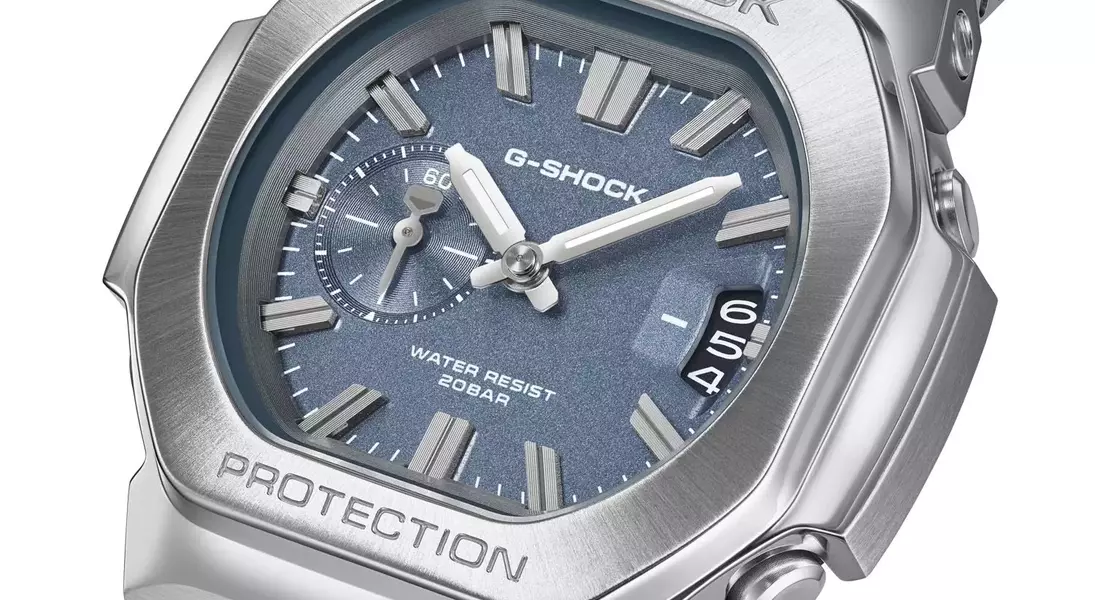
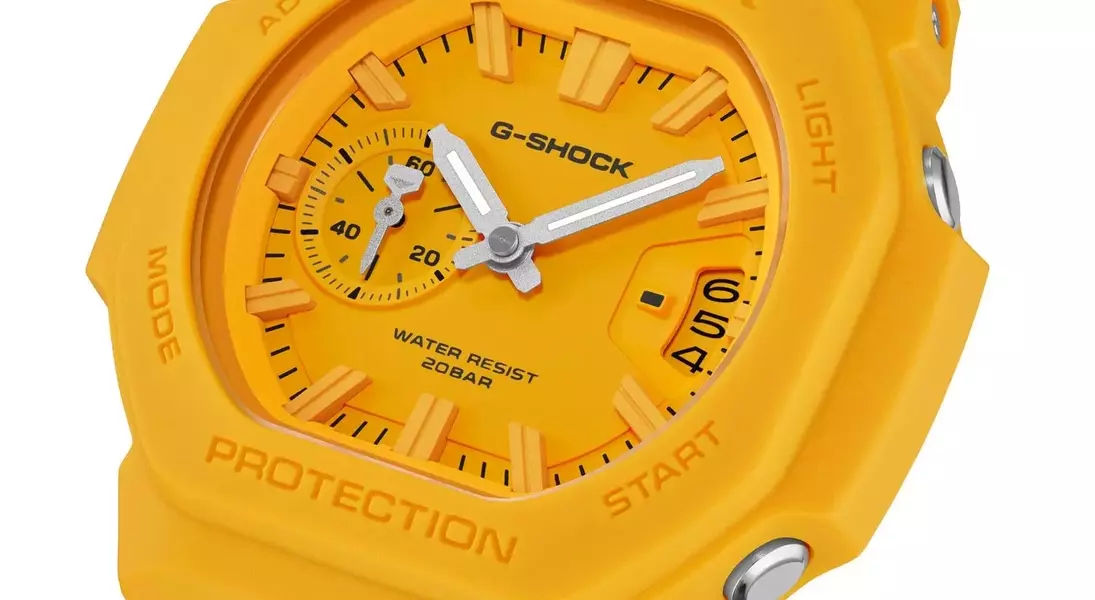
Key design elements of the 2500 Series include an octagonal case and distinctive 'ears' on the sides, drawing a clear visual parallel to the porthole-inspired design of Gérald Genta's 1976 Nautilus. This is not the first time Casio has taken inspiration from Genta's iconic works; the popular GA-2100 Series, known as the 'CasiOak,' also famously mirrors the Audemars Piguet Royal Oak's octagonal bezel. Despite these luxury influences, the 'CasioNaut' remains distinctly G-Shock, boasting an impressive suite of features.
The watches in the 2500 Series are equipped with a Multi-Mission Date function, presented through a sophisticated three-cell display at 3 o'clock. This versatile display not only indicates the date but also shows the current watch mode, elapsed stopwatch minutes, and various setting information. A small-seconds display at 9 o'clock adds to its functionality, capable of being paused to conserve battery life, extending it up to an impressive five years. Furthermore, these timepieces incorporate G-Shock’s familiar four-button arrangement, LED illumination for optimal legibility, and a magnetic system that stabilizes the watch hands against shocks. With a water resistance of 200 meters, the 2500 Series upholds G-Shock's reputation for unwavering durability.
The collection offers a variety of materials and price points to suit diverse preferences. Models with simple resin cases and matching rubber bracelets are available for $145. For those seeking a more refined look, options with metal accents and rubber bracelets range from $280 to $300, while full-metal bracelet versions are priced at $350. These launch references come in an array of versatile colors, with weights varying from 47 grams for resin models to 160-180 grams for metal versions.
The official availability of the 2500 Series commenced on November 6th via Casio's website, following an accidental early listing that fueled much speculation among collectors. This launch marks a significant moment for Casio, introducing an entirely new model family that is both fun, streamlined, and remarkably more accessible than the high-end watches it subtly references. The 'CasioNaut' is poised to be a considerable success, offering a blend of innovative design, robust functionality, and affordability that resonates with a broad audience.
This release from Casio highlights the fascinating interplay between different tiers of the watch industry. It demonstrates how iconic designs can inspire new creations that offer unique value propositions. The 'CasioNaut' is not merely a tribute; it's a testament to Casio's ability to innovate and deliver cutting-edge technology wrapped in an appealing aesthetic, making high-concept design accessible to a wider demographic. It's a reminder that true watchmaking artistry can be found at all price points, and that unexpected combinations can often lead to the most exciting new products.