

The recent ruling by the Court of Arbitration for Sport (CAS) has sent ripples through European football, affirming UEFA's strict multi-club ownership regulations and significantly altering the continental aspirations of two English clubs: Crystal Palace and Nottingham Forest. This decision, stemming from complex ownership structures, highlights the ongoing challenges clubs face in navigating international football's intricate legal landscape.
Fair Play or Unjust Demotion? The European Dream Takes a Detour
The Genesis of the Dispute: Unraveling the Multi-Club Ownership Conundrum
The saga began when UEFA's Club Financial Control Body (CFCB) identified a conflict of interest involving Eagle Football's significant stake in Crystal Palace and their majority ownership of French side Lyon. With both clubs having qualified for the Europa League, UEFA's regulations on multi-club ownership were triggered. Palace contended that John Textor, through Eagle Football, did not exert decisive influence over their operations, and therefore, they should not be penalized. However, previous public statements by Palace's chairman, Steve Parish, about collaboration with Textor's other clubs complicated their defense, suggesting a level of integration that UEFA's rules aimed to prevent.
CAS's Definitive Stance: Upholding Regulatory Integrity
The Court of Arbitration for Sport, after careful consideration, sided with UEFA. Their judgment underscored that John Textor, as the founder of Eagle Football Holdings, held shares and a board position granting him decisive influence over both Crystal Palace and Lyon at the time of UEFA's assessment. CAS unequivocally dismissed Palace's claims of unfair treatment compared to Nottingham Forest and Lyon, asserting that UEFA's regulations are clear and offer no room for flexibility when non-compliance is established by the specified deadline. This ruling reinforces the authority of UEFA's financial and ownership controls, emphasizing the importance of adherence to established guidelines.
Crystal Palace's European Odyssey: A Shift in Ambition
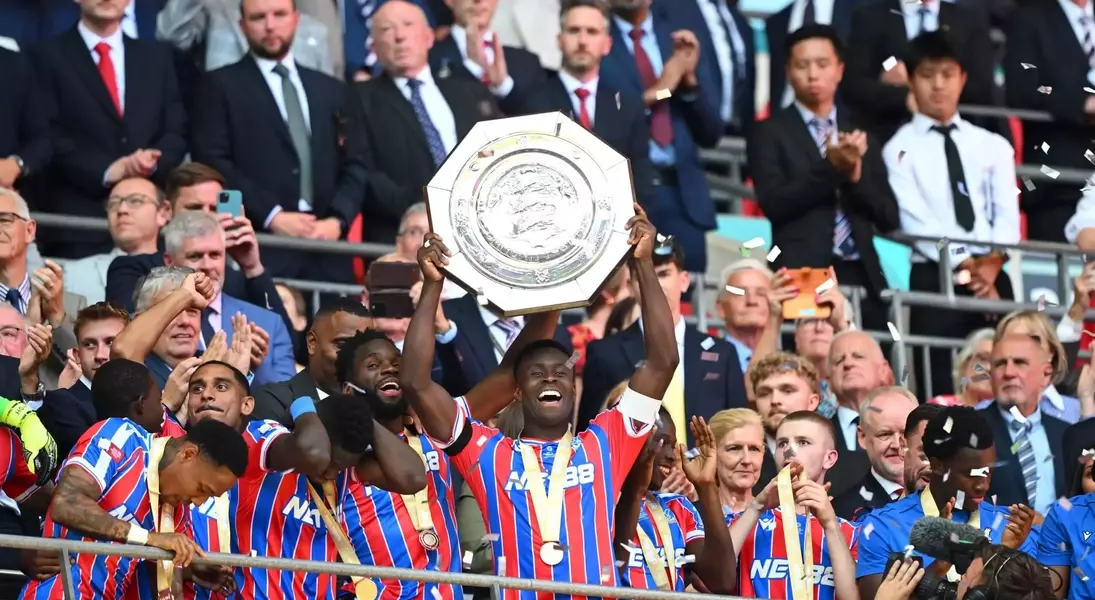
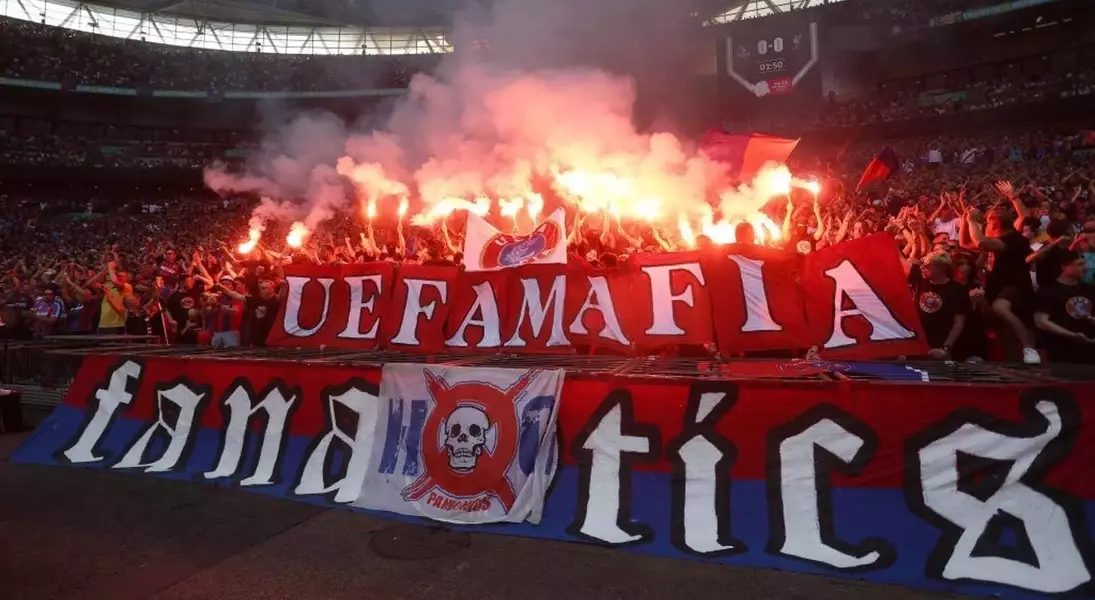
For Crystal Palace, this verdict represents a significant setback to their European ambitions. Despite their historic FA Cup victory and subsequent Community Shield triumph, which would have secured a spot in the Europa League, they now find themselves relegated to the Conference League. While still a European competition and a first for the club, it is undeniably a less prestigious and less lucrative alternative. The club's chairman had previously expressed strong sentiments regarding the "terrible injustice" of their initial demotion, reflecting the deep disappointment felt within the club and among its supporters.
Nottingham Forest's Unexpected Gain: A Fortuitous Promotion
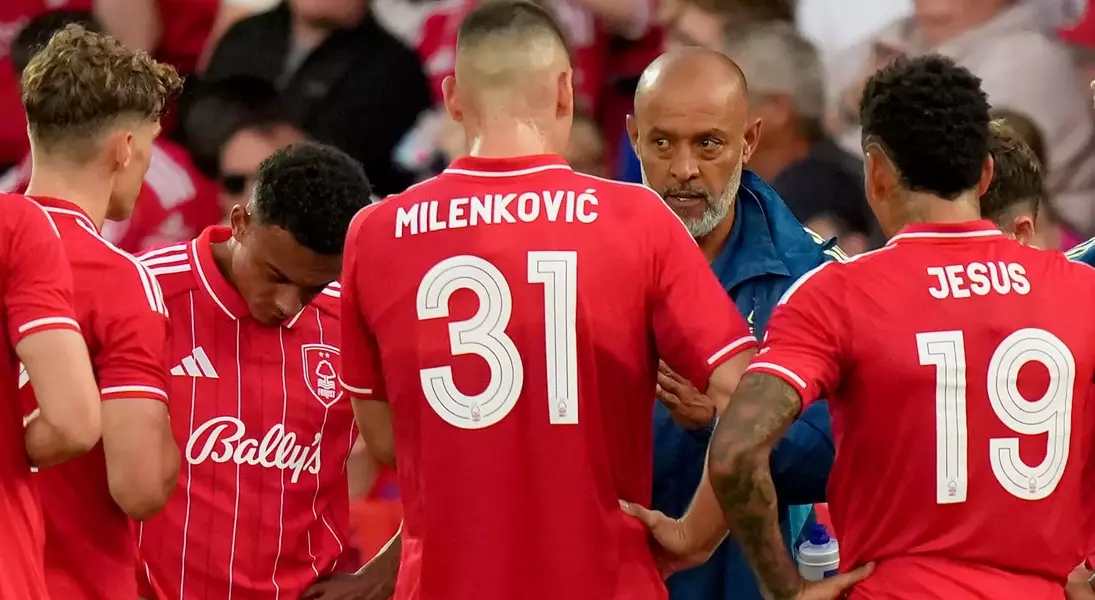
Conversely, Nottingham Forest stands to benefit immensely from this ruling. Instead of participating in the Conference League, they will now compete in the more esteemed and financially rewarding Europa League. This elevation is attributed to their owner, Evangelos Marinakis, who proactively mitigated potential conflicts under multi-club ownership rules by placing his shares in a blind trust, effectively distancing his control over Forest and Olympiakos. This strategic move allowed Forest to avoid the pitfalls that ensnared Crystal Palace, securing them a coveted spot in a higher-tier European competition.
The Financial Implications: A Tale of Two Competitions
The financial disparities between the Europa League and the Conference League are substantial, highlighting the significant impact of CAS's decision. While both pale in comparison to the UEFA Champions League, the Europa League boasts an overall prize fund almost double that of the Conference League. Forest's qualification for the Europa League guarantees them a substantial sum for merely participating in the league phase, with additional earnings for each victory or draw. This financial injection will provide a considerable boost to their resources, enabling greater investment in squad development and infrastructure, whereas Palace will contend with a comparatively smaller financial incentive.
The Road Ahead: European Campaigns Unfold
Crystal Palace is now set to commence their Conference League journey with a play-off round against either Fredrikstad or Midtjylland, with their Premier League fixture against Nottingham Forest sandwiched between the two legs. Nottingham Forest, meanwhile, will embark on their Europa League campaign later in September with the start of the league phase. Both clubs await the group stage draws, which will determine their opponents in their respective European competitions, marking the beginning of their adjusted continental adventures.
Reflecting on UEFA's Regulatory Framework: Lessons Learned and Future Adjustments
The outcome of this case brings into sharp focus the nuances of UEFA's multi-club ownership regulations. While Crystal Palace's European qualification story was one of romantic triumph, the strict application of rules led to their demotion. This situation raises questions about the practicalities of UEFA's mid-season deadline for compliance, which often forces clubs into complex maneuvers to avoid potential conflicts. Moving forward, UEFA's Club Financial Control Body may consider revisiting these deadlines to offer clubs more pragmatic avenues for compliance, ensuring that sporting achievements are not undermined by technical ownership issues, while still upholding the integrity of the competitions.
Seeking Further Recourse: The Path to the Swiss Federal Tribunal
Although the CAS ruling is definitive in sporting terms, Crystal Palace retains the theoretical option of appealing to the Swiss Federal Tribunal. However, such an appeal would focus solely on procedural irregularities or policy issues rather than a re-evaluation of the case's merits. This makes a reversal of the decision and a reinstatement into the Europa League highly improbable. Crystal Palace's chairman had already indicated a willingness to compete in the Conference League if the CAS decision went against them, suggesting a pragmatic acceptance of the outcome despite the disappointment.
