The highly anticipated fourth campaign of Critical Role, set in the expansive world of Aramán, has captivated audiences with its intricate storytelling and engaging characters. However, a significant element remains elusive to its dedicated fanbase: a comprehensive map of the campaign's setting. This lack of visual guidance has sparked a discussion among viewers and even cast members, highlighting the tension between immersive narrative exploration and the practical need for geographical understanding in a fantasy realm.
Uncharted Territories: The Quest for Pasitar's Map
The Enduring Wisdom of Tolkien's Cartography
J.R.R. Tolkien, a titan of fantasy literature, once articulated the profound importance of beginning a grand narrative with a map. His perspective emphasized that a detailed geographical blueprint prevents narrative inconsistencies and enriches the storytelling experience. This sentiment resonates deeply with the current situation in Critical Role's Campaign 4, where the absence of such a map has become a focal point of discussion.
A Plea from the Players: "Where Are We Going?"
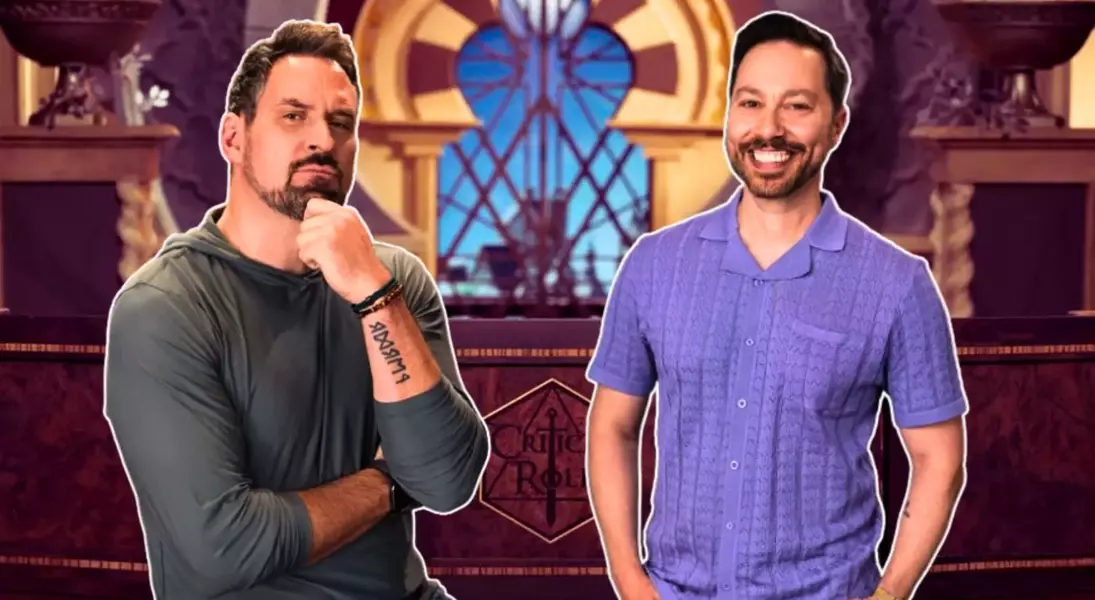
The sentiment for a map is not confined to the audience; it extends to the cast themselves. Sam Riegel, a co-founder of Critical Role and player character Wicander Halovar, openly expressed this desire on the talk show "Tale Gate." His playful yet pointed remark, "Brennan, we don’t have a map... I don’t know where we’re going or where we’ve been," encapsulates the challenge faced by players and viewers alike in tracking the intricate movements within the world of Aramán.
Navigating the Narrative Maze: The Audience's Perspective
For dedicated followers of Critical Role, deciphering character locations can often feel like navigating a labyrinth without a compass. While specific locales like Hawthorn's Glade or Timmony are mentioned, their relative positions to central hubs such as Dol-Makjar remain abstract. This forces reliance on verbal descriptions, which, while evocative, fall short of providing a clear mental image of the unfolding journey.
Fan-Made Solutions: Bridging the Cartographic Gap
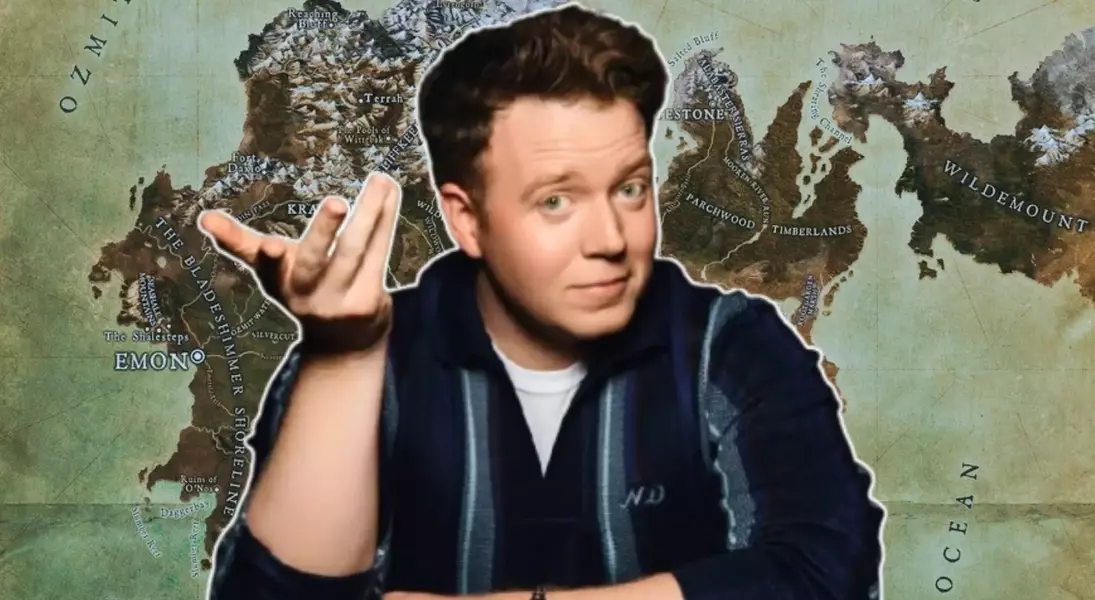
In the absence of official cartographic resources, the community has stepped in. The Critical Role Wiki serves as a valuable repository for fan-created maps, offering a glimpse into how enthusiasts are attempting to piece together the geographical puzzles of Aramán. These efforts underscore the community's strong desire for visual context, even if it's not officially sanctioned.
The DM's Secret: A Hand-Drawn Treasure
Intriguingly, Dungeon Master Brennan Lee Mulligan possesses a hand-drawn map of Pasitar, a fact confirmed by cast members. This revelation only amplifies the audience's yearning, as it suggests a tangible representation of the world exists, yet remains largely unseen. The players' access to this map, albeit in a rudimentary form, highlights a disparity in information between the game's participants and its observers.
The Power of the Unseen: The Value of Imaginative Exploration
Despite the widespread desire for a map, there is an acknowledged value in Mulligan's decision to withhold it. In a game centered on exploration, the unknown fosters a sense of wonder and encourages players and audience members to actively imagine the world. Distinctive regional characteristics, such as Timmony's human population and its unique veneration of talking dogs, come alive through narrative description, allowing for a richer, more personal interpretation of the landscape.
Anticipation and Speculation: The Unveiling of Pasitar
Historically, Critical Role campaigns have eventually revealed official maps, suggesting that a map for Campaign 4 might be on the horizon. This ongoing dynamic between creative discretion and audience demand is a characteristic feature of the Critical Role experience. While the wait continues, the community remains engaged, using their imagination to fill in the blanks, much like the players themselves.
Embracing the Uncharted: A Journey of Shared Discovery
For now, both the audience and some players, like Sam Riegel's character Wicander, must embrace the inherent ambiguity of an uncharted world. This shared experience of geographical uncertainty, however, does not detract from the narrative's allure. Instead, it adds a layer of shared discovery and imaginative engagement, proving that a compelling story can thrive even when its landscapes remain largely unmapped.
