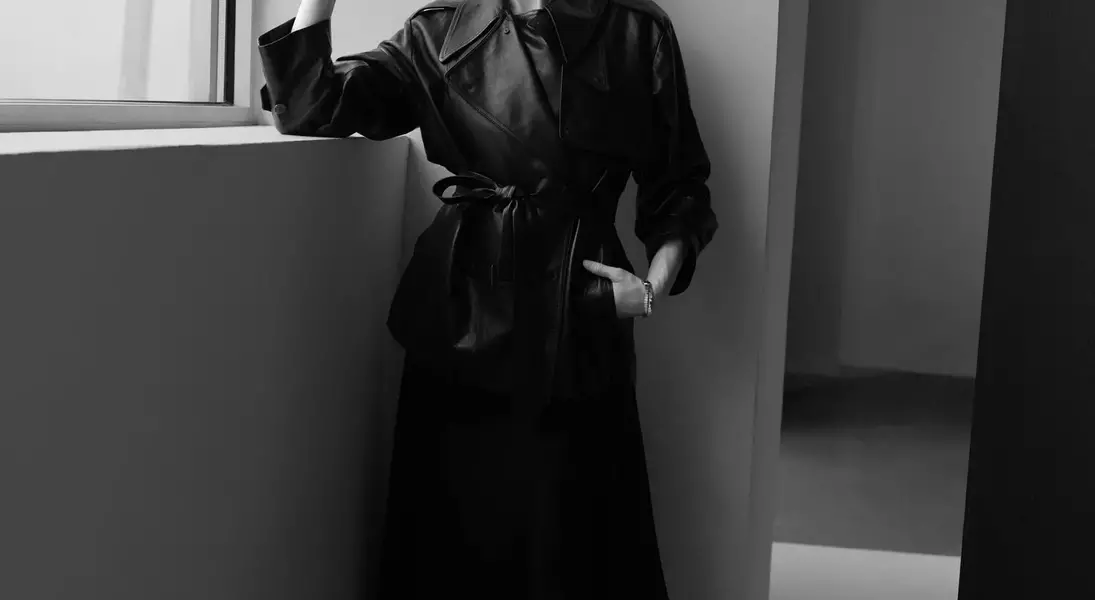
Carrie Coon, a celebrated actress, is making her highly anticipated return to the Broadway stage in "Bug," a play penned by her husband, Tracy Letts. This marks a significant moment in her career, offering a chance to revisit a role and a theatrical world that has evolved with the times. She candidly discusses the play's themes, its resonance with contemporary anxieties, and the unique demands and rewards of live performance versus screen acting. Her insights provide a fascinating look into the dedication and craft required to bring complex characters to life, while also touching upon broader changes in how audiences engage with artistic narratives.
Coon's journey began in 2012 with her Broadway debut in "Who's Afraid of Virginia Woolf?" which garnered her a Tony nomination. This early success propelled her into prominent roles on television shows such as "The Leftovers" and "Fargo," and later, "The Gilded Age" and "The White Lotus." Her return to Broadway with "Bug" is a reunion with her husband's work, a play first staged in 1996. The production's themes of paranoia and mistrust, initially explored in 2020 before being interrupted by the pandemic, have taken on new layers of meaning in a world grappling with uncertainty and the rise of conspiracy theories. Coon notes that while the play's core remains, the audience's perception has shifted, finding contemporary relevance in its portrayal of insecurity.
During a recent conversation, Coon delved into the physical and emotional toll her role in "Bug" demands, humorously mentioning the mysterious bruises her castmates and she have acquired. Despite these challenges, she maintains a positive outlook, viewing the play as a subversive act in an unstable world. She also reflected on her initial unfamiliarity with "Bug" before meeting Tracy Letts, whose earlier works she later explored. The current iteration of "Bug" emphasizes the psychological realism of a descent into mental illness and addiction, a perspective affirmed by mental health professionals who recognize the character's behavior. Coon highlights the directorial approach of David Cromer, which brings out these nuanced aspects, differentiating it from previous interpretations.
Coon openly discusses the unique experience of returning to Broadway after a 12-year hiatus. She acknowledges the camaraderie among theater actors and the different atmosphere of Broadway compared to regional theater, noting that while the stage may be grander, the core experience of performing remains the same. Her time away has been filled with successful screen projects, yet she emphasizes the importance of returning to theater as a grounding experience. For Coon, stage acting offers a direct responsibility for storytelling that screen roles sometimes lack, pushing her artistic boundaries and preventing complacency. She also humorously notes the physical demands of certain screen roles, contrasting them with less active parts.
Beyond her craft, Coon also shared her thoughts on the broader cultural landscape. She embraces the internet meme culture surrounding her work, viewing it as a positive way to connect with younger audiences who might be experiencing live theater for the first time through "Bug." She also touches upon the ongoing debate between physical media and streaming, revealing her and Letts's extensive collection of DVDs, which they see as a safeguard against the limitations of digital access. She advocates for the preservation of physical media, emphasizing its importance in ensuring access to a diverse range of cinematic works that might otherwise disappear from public view. This stance extends to her views on recorded live performances, which she believes are crucial for accessibility, especially for those who cannot attend in person. Ultimately, Coon champions the irreplaceable nature of live, in-person experiences, whether in theater or in human interaction, stressing their importance in an increasingly digitized world.
The actress's experiences underscore the enduring power of live performance, its ability to connect with audiences on a visceral level, and its continued relevance in a rapidly changing media environment. Her commitment to both stage and screen, coupled with her thoughtful reflections, provides a compelling narrative of a modern artist navigating the complexities of her profession and the world around her.
