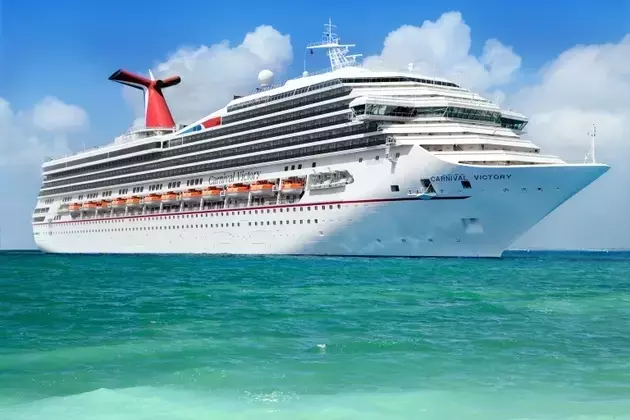
Carnival Corporation (CCL) is currently trading near its annual lows, a situation largely influenced by elevated fuel costs stemming from global geopolitical events. Despite this, the company has demonstrated strong quarterly profits and maintains a positive long-term growth trajectory. Investors often overreact to short-term fluctuations, overlooking fundamental strengths and strategic plans that promise substantial future returns. By focusing on normalized fuel prices and robust internal growth strategies, a more accurate valuation of Carnival’s business potential emerges.
The cruise industry, particularly Carnival, is poised for significant recovery and expansion. The company’s strategic PROPEL plan outlines ambitious targets for earnings per share growth and capital returns, including substantial share buybacks. These initiatives, coupled with resilient consumer demand and manageable debt levels, paint a picture of a company well-positioned to overcome temporary headwinds and deliver sustained value to its shareholders.
Carnival's Resilience Amidst Fuel Price Volatility
Carnival Corporation's stock has recently dipped to near its annual low, a reaction primarily driven by heightened fuel costs attributed to ongoing geopolitical instability. Despite this short-term pressure, the cruise giant has managed to report impressive quarterly profits, underscoring its operational resilience. The market's focus on immediate cost impacts may obscure Carnival's underlying financial health and its capacity to absorb and adapt to fluctuating expenses. Historically, the cruise industry has demonstrated a strong ability to bounce back from external shocks, and Carnival, with its robust operational framework, is no exception. The current valuation, influenced by temporary fuel price spikes, does not fully reflect the company's consistent performance and its strategic maneuvers to mitigate such risks, including efficient fleet management and hedging strategies.
While the recent surge in fuel prices has impacted Carnival's short-term guidance, it's crucial to evaluate the company based on a normalized fuel cost environment, which is typically more reflective of its long-term profitability. Carnival's management has implemented various cost-saving measures and efficiency improvements across its fleet to reduce fuel consumption. Furthermore, the company's strong booking trends and sustained consumer demand indicate that passengers are willing to pay for the cruise experience, allowing Carnival to pass on some of these increased costs without significantly deterring sales. This ability to maintain pricing power and operational efficiency even during challenging periods highlights Carnival's inherent strength and its potential for substantial recovery once fuel prices stabilize, presenting an attractive entry point for long-term investors.
Strategic Growth and Shareholder Value Initiatives
Carnival Corporation has unveiled its ambitious PROPEL plan, targeting a remarkable 50% growth in earnings per share by 2029. This strategic roadmap is designed not only to boost profitability but also to significantly enhance shareholder returns. A key component of this plan is a commitment to return $14 billion in capital to shareholders, which includes an ongoing $2.5 billion share buyback program. Such aggressive buyback initiatives typically signal management's confidence in the company's intrinsic value and aim to increase EPS by reducing the number of outstanding shares, thereby benefiting existing shareholders through increased ownership percentages and per-share metrics.
The current valuation of Carnival's stock, trading at approximately 10 times its normalized EPS targets, suggests that the market may be underestimating the potential impact of these strategic initiatives. The combination of strong EPS growth forecasts, substantial share buybacks, and potential future dividends creates a compelling investment thesis. Despite concerns over debt levels, Carnival has effectively managed its financial obligations, and the resilient demand for cruise travel continues to support its revenue streams. These factors, alongside an improving economic outlook, position Carnival as a strong contender for significant value appreciation, as its strategic efforts are likely to drive both earnings growth and a re-rating of its stock multiple in the coming years.
