
Cardiologists are raising alarms about the potential health risks posed by prevalent kitchen materials, including microplastics, lead, and PFAS, which have become a significant concern in recent years. This evolving understanding of environmental toxins and their impact on cardiovascular health is driving a call for more mindful choices in the kitchen. Experts emphasize that while complete elimination of these substances might be challenging, adopting sustainable and realistic swaps can significantly reduce daily exposure and promote long-term well-being.
Three distinguished cardiologists have voiced their primary concerns regarding specific toxins. Dr. Juan Carlos Rozo from Houston Methodist Hospital points to lead and PFAS (per- and polyfluoroalkyl substances) as major drivers of cardiovascular disease, citing a robust body of data supporting their harmful effects. Dr. Pedro Martinez-Clark of Amavita Heart and Vascular Health expresses particular alarm over micro- and nanoplastics, highlighting recent studies that have detected these tiny particles in human arterial plaques. He notes the pervasive nature of microplastics, found in water, food packaging, household dust, and even the air, making them nearly impossible to completely avoid. Dr. Andrew Rudin corroborates these concerns, explaining that chemicals within these plastics can disrupt endocrine functions, trigger inflammation and oxidative stress, contributing to conditions like obesity, insulin resistance, hypertension, heart disease, Parkinson's, Alzheimer's, and cancer.
Given the widespread presence of these concerning materials, the question arises: what actionable steps can individuals take? Dr. Martinez-Clark suggests focusing on manageable changes to reduce microplastic exposure, viewing it as an accessible starting point for those feeling overwhelmed. The market now offers numerous safer alternatives to traditional kitchen products made with plastics, lead, or PFAS. These options allow consumers to equip their kitchens with healthier choices that align with a heart-healthy lifestyle.
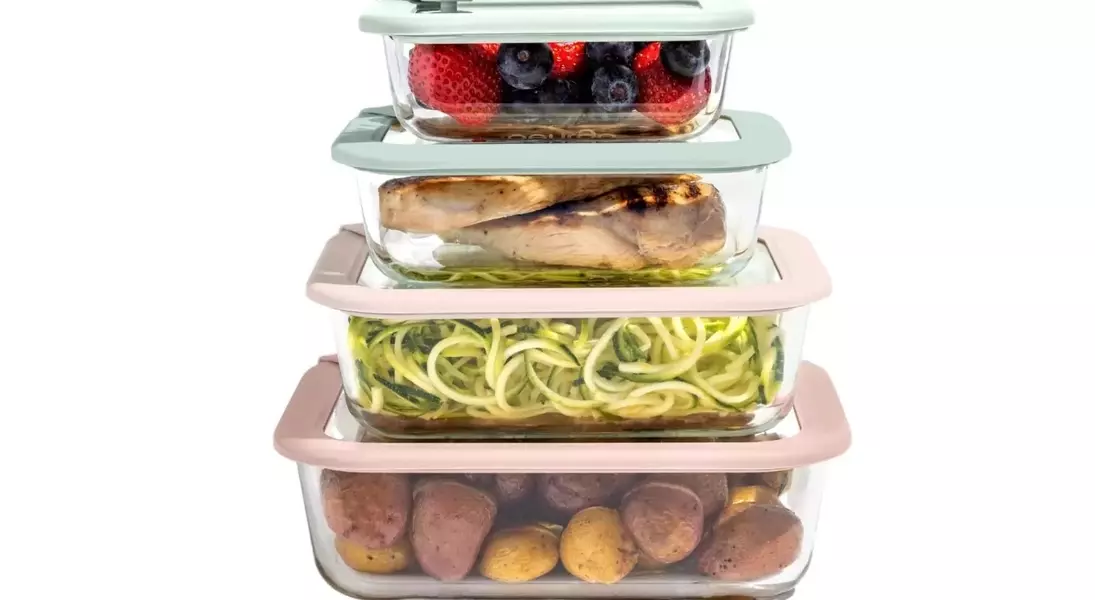
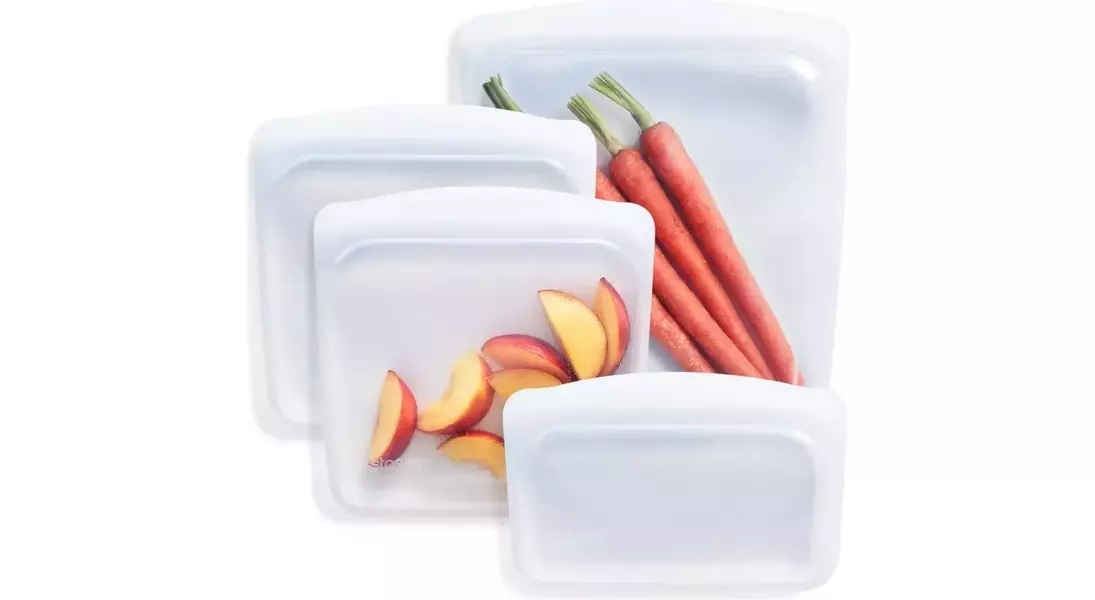
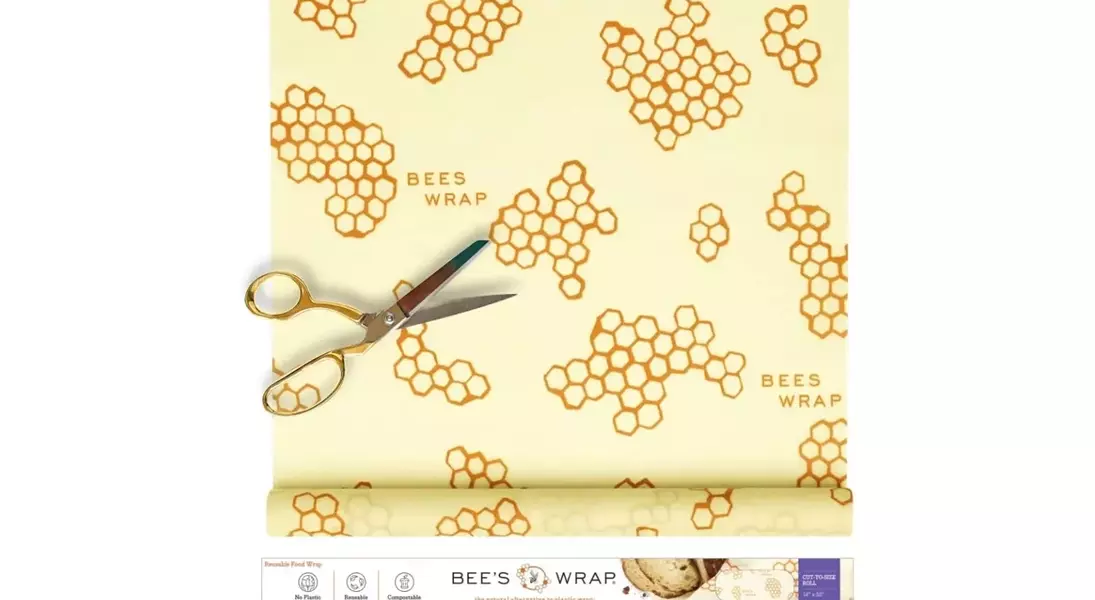
Among the highly recommended alternatives are glass and silicone food storage solutions. Bentgo Signature Leakproof Glass Food Storage Containers, for instance, offer a durable and airtight way to store food without plastic, ensuring freshness whether in the freezer, refrigerator, or pantry. For flexible storage needs, Stasher Silicone Reusable Storage Bags provide an excellent plastic-free option for sandwiches, snacks, and produce, proving particularly effective for freezer storage due to their robust material and secure seal. Furthermore, Beeswax Wraps offer a sustainable replacement for plastic wrap, made from organic cotton, beeswax, plant oils, and tree resin. These wraps are reusable, washable, and seal effectively with the warmth of one's hands, making them an eco-friendly choice for food preservation.
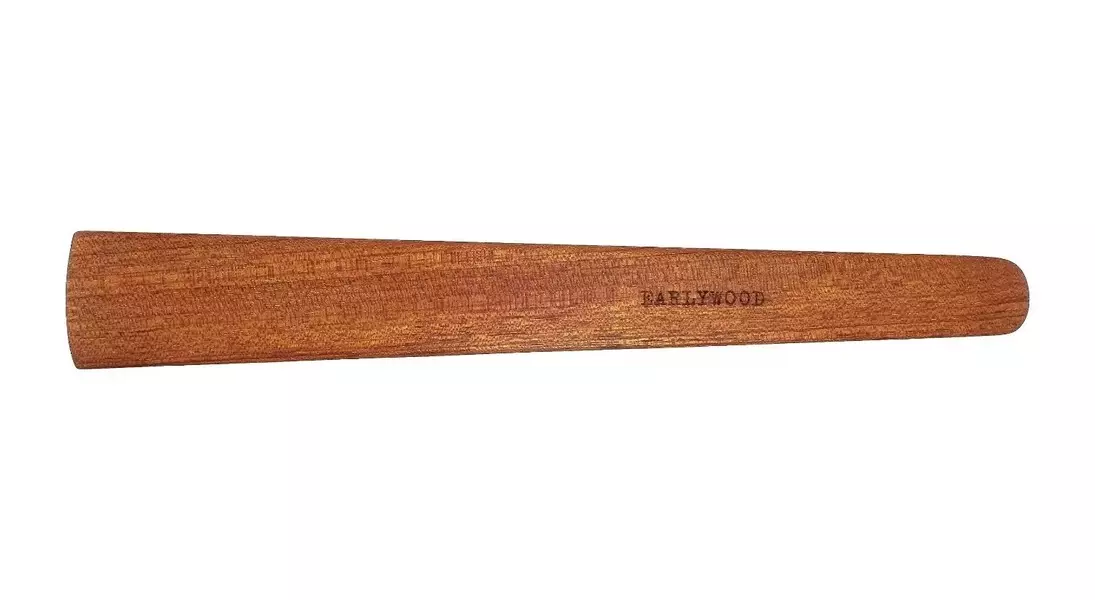
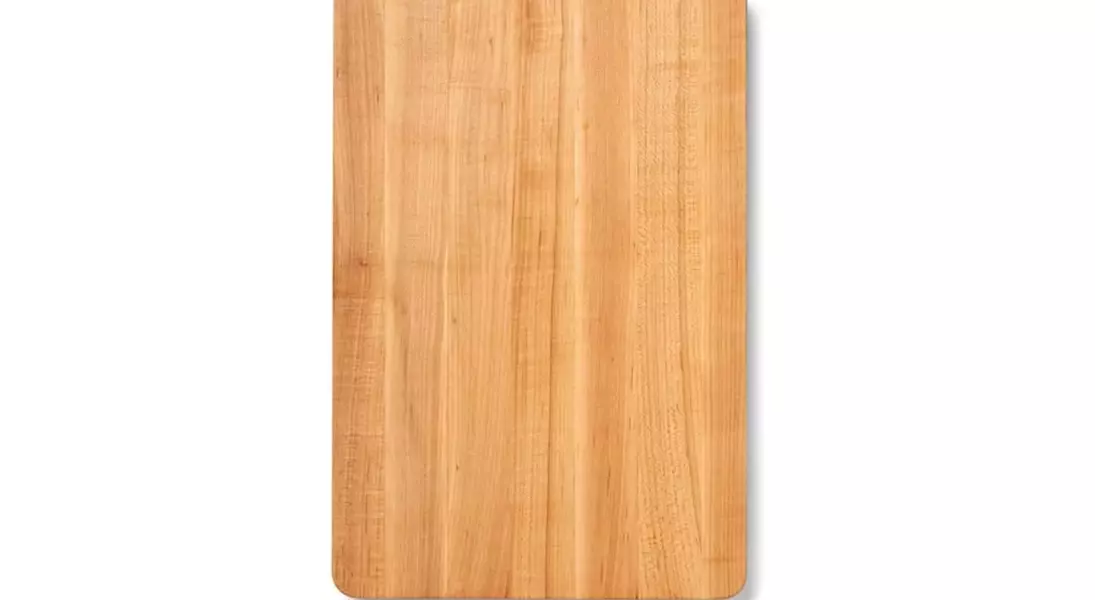
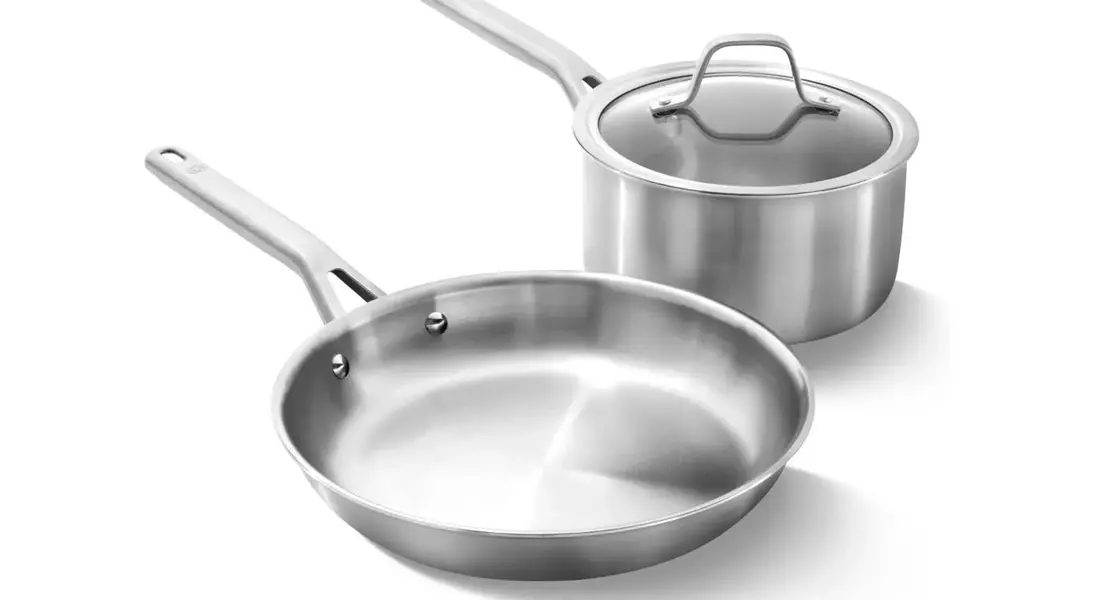
Beyond storage, cookware and cutting surfaces also play a crucial role. Plastic cutting boards, as they accumulate nicks and cuts, can release microplastics into food. Opting for a high-quality wooden cutting board, such as the John Boos Chop-N-Slice Series Rectangular Wooden Maple Cutting Board, provides a safer and long-lasting alternative for food preparation. In terms of cookware, simple materials like stainless steel and cast iron are favored. The Calphalon Stainless Steel Cookware Set is lauded for its design, durability, and fair price, suitable for a variety of cooking methods. Similarly, the Lodge 12-Inch Cast-Iron Skillet, a preseasoned favorite, is ideal for searing, saut←ing, and baking, requiring only minimal oil maintenance to last for decades. For cooking utensils, handmade wooden spatulas from brands like Earlywood are recommended for their versatility and longevity, often becoming a go-to tool in the kitchen due to their slim design and hard edges perfect for a range of tasks.
It is important to remember that these changes do not need to be drastic. Cardiologists emphasize making sustainable, high-impact choices that fit within individual budgets and lifestyles, rather than aiming for an impossible complete overhaul. Prioritizing heart health involves a holistic approach, and while minimizing exposure to harmful kitchen materials is a valuable step, it should be done in a way that reduces anxiety and promotes overall well-being. Ultimately, focusing on practical and evidence-based decisions is key to nurturing a healthier heart.
