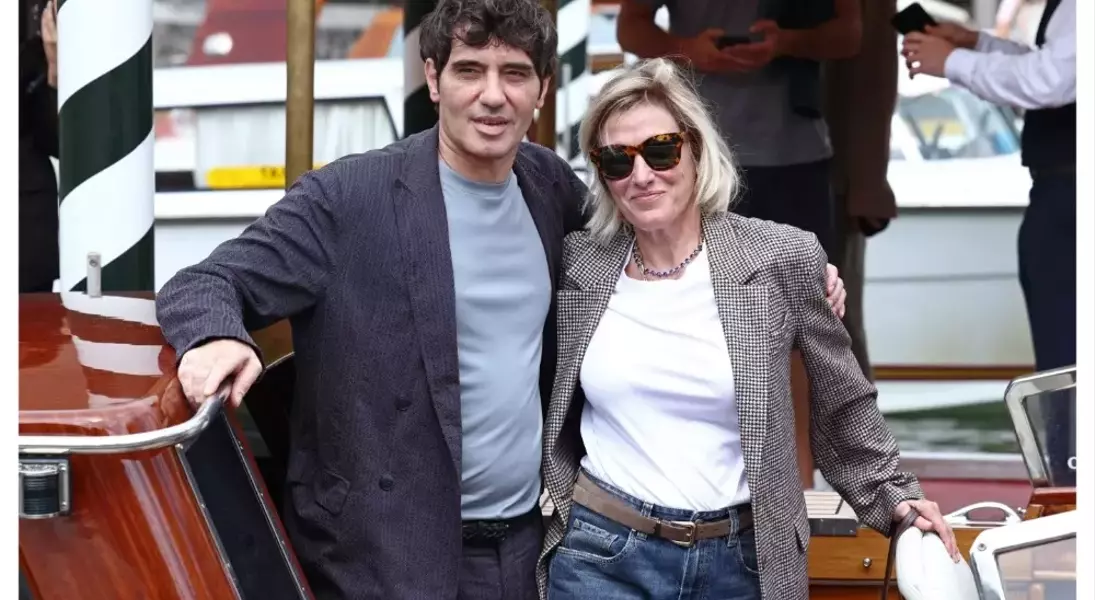
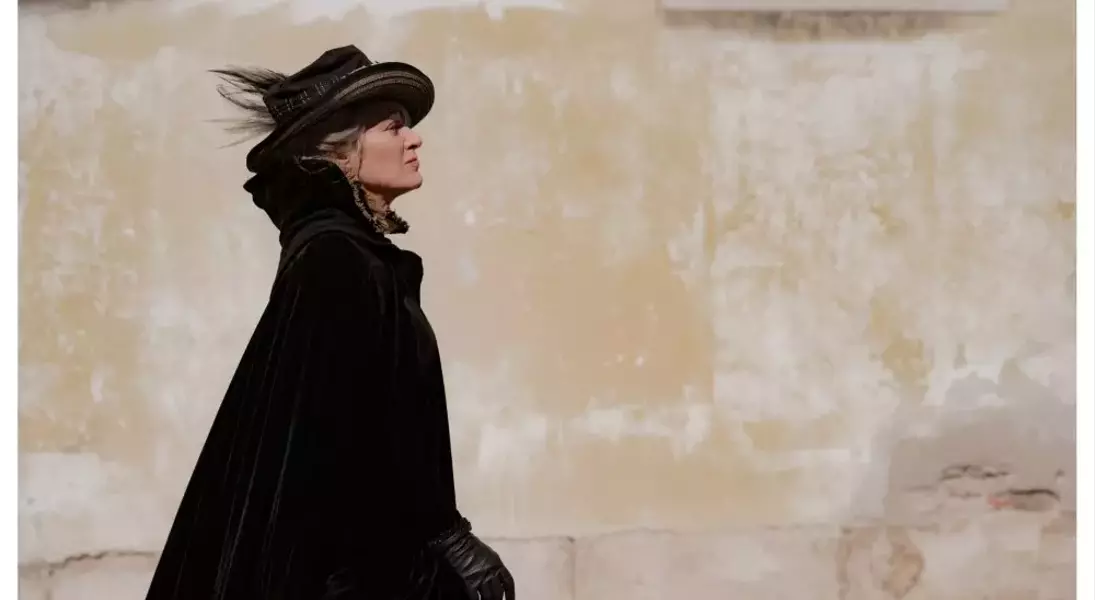
Italian filmmaker Pietro Marcello has brought the life of legendary stage actress Eleonora Duse to the big screen in his new biopic, 'Duse,' which recently premiered at the Venice Film Festival. Marcello, known for his 2019 arthouse hit 'Martin Eden,' entrusted the pivotal role of Duse to Valeria Bruni Tedeschi, stating she was the only actress capable of embodying the icon. The film primarily focuses on Duse's later years, specifically when, at 60, she was compelled by financial strain to emerge from retirement and return to the theater.
Duse, whose life spanned from 1858 to 1924, was widely revered as the preeminent actress of her era. Her performances graced stages across numerous countries, notably in plays penned by Gabriele D’Annunzio, her former lover who crafted four works specifically for her, and Henrik Ibsen. Both Tedeschi and Marcello conveyed to Variety their motivations behind bringing Duse's story to contemporary audiences, emphasizing her enduring significance due to her independent spirit, pioneering feminist views, and exceptional talent. Marcello was particularly drawn to Duse's rebellious nature, especially given the patriarchal society of her time, recognizing her innate strength and talent. The director highlighted that the screenplay was conceived with Tedeschi in mind, aiming to capture Duse's essence through an actress who mirrors her spirit, especially since no original recordings of Duse's voice exist.
Bruni Tedeschi shared her preparation process, explaining her approach to connecting with Duse as one would an unfamiliar acquaintance, fostering a friendship to understand her character deeply. She expressed her desire for Duse to 'love and accept her,' even embracing their differences, such as Duse's preference not to have her children on set, a contrast to Tedeschi's own experience. Tedeschi attributed her ability to undertake such a significant role to her age, noting that at 60, she possesses the life experience—including professional challenges, romantic heartbreaks, pain, and solitude—necessary to truly empathize with Duse's journey. Marcello concluded by explaining his decision to focus on Duse's final years, viewing her as a modern woman who revolutionized theater, evolving it from a classical art form towards contemporary theatrical practices. He noted that portraying this period allowed him to illustrate a world in decline, particularly as figures like D'Annunzio and Duse faced betrayal amidst the ascent of fascism in Italy, reflecting a pivotal moment on the brink of national tragedy.
The collaborative effort to bring Eleonora Duse's compelling story to the screen serves as a powerful testament to her lasting legacy. Her unwavering pursuit of freedom, both in her art and personal life, transcends time, offering inspiration to all who seek to live authentically and challenge societal norms. The film underscores the timeless importance of celebrating individuals who pave their own paths, fostering independent thought and resilience in an ever-evolving world.
