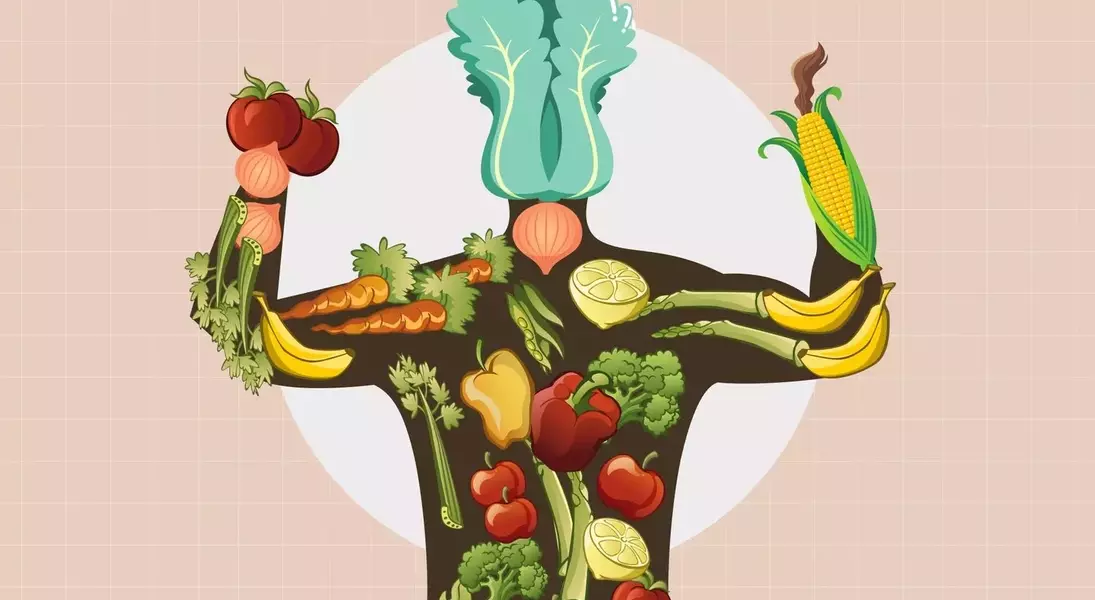
While various elements contribute to cancer risk, dietary choices, especially the consumption of nutrient-rich foods such as fruits, vegetables, whole grains, and nuts, have been shown to help mitigate it. Among these, vegetables stand out as particularly important. Incorporating at least three servings of vegetables into your daily diet is recommended, with a focus on variety to maximize benefits. It's essential to remember that a vegetable-rich diet is merely one facet of a comprehensive healthy lifestyle, which also encompasses regular physical activity, adequate sleep, and moderate alcohol intake.
The Scientific Consensus on Daily Vegetable Intake for Cancer Prevention
Numerous studies suggest that daily vegetable consumption plays a significant role in reducing cancer risk. Although there isn't a definitive number that guarantees prevention, experts generally advise consuming a minimum of three servings of vegetables each day. This recommendation is supported by extensive research, including a meta-analysis of over two dozen cohort studies. These studies collectively indicate that a daily intake of five servings of fruits and vegetables—specifically two servings of fruit and three of vegetables—is associated with a notable decrease in the risk of death from cancer and other health issues.
These findings are consistent with established dietary guidelines from health authorities like the 2020-2025 Dietary Guidelines for Americans and the National Cancer Institute. To better understand what constitutes a serving, one cup of raw, cooked, frozen, or canned vegetables equals one serving, while two cups of raw leafy greens also count as one serving. The emphasis is not just on quantity but also on variety, as different vegetables offer unique protective benefits. This synergistic effect of diverse nutrients within whole vegetables is what makes them such a powerful tool in promoting overall health and combating cancer.
Understanding the Protective Mechanisms of Vegetables and Strategies for Increased Intake
The cancer-protective properties of vegetables stem primarily from three key aspects. Firstly, vegetables are abundant in bioactive compounds, which are naturally occurring chemicals with potent anti-cancer effects. For instance, cruciferous vegetables like Brussels sprouts, broccoli, and kale contain glucosinolates, compounds known for their protective actions against various cancers, including prostate, breast, liver, and colon. These compounds shield cells from damage, alleviate inflammation, neutralize cancer-causing substances, and can even impede tumor development. Other beneficial bioactive compounds include vitamin C and beta-carotene found in orange and red vegetables, and organosulfur compounds present in alliums like onions and garlic.
Secondly, vegetables aid in maintaining a healthy weight. Their low-calorie and high-fiber content promote satiety, which is crucial given the link between obesity and increased cancer risk. Supplements cannot replicate these benefits, as the fiber and the complex interplay of nutrients in whole vegetables offer a comprehensive protective effect. Lastly, individuals who consume diets rich in vegetables typically adopt other healthy lifestyle choices, reinforcing the overall cancer-preventive impact. To increase daily vegetable intake, focus on variety, shop with a veggie-centric mindset, and prepare them for convenience. Incorporate greens into hot dishes, blend them into smoothies, keep frozen vegetables on hand, and utilize pre-washed salads. Engaging in a fun challenge with others can also provide motivation to meet daily vegetable goals. Consistent consumption not only helps reduce cancer risk but also improves digestive health and boosts energy levels.
