
Canada's automotive sector stands as a robust manufacturing hub, churning out over a million vehicles each year, from mass-market cars to specialized performance machines. This industry, deeply integrated with its North American counterpart, exemplifies a dynamic cross-border collaboration in production and supply chains. While historical anomalies like the Chevy Beaumont once characterized the Canadian market, today's automotive landscape is marked by a more unified presence of models across the continent. With a rich history that predates the arrival of the iconic Model T, Canada's car-making legacy is both enduring and influential, showcasing a blend of efficiency, innovation, and a touch of national character.
Dominant Players in Canadian Automotive Production
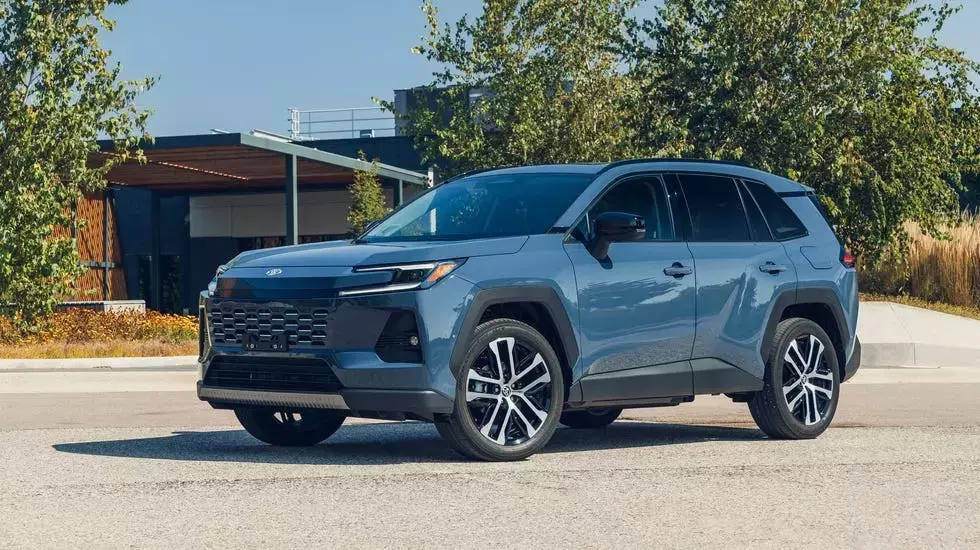
Toyota leads the charge in Canadian automotive manufacturing, with its facilities in Cambridge and Woodstock, Ontario, producing approximately half of the nation's total vehicle output. The sprawling operations of Toyota Manufacturing Canada (TMMC) employ thousands and are known for their efficiency and quality. Among the key models manufactured here is the Toyota RAV4, a perennially best-selling passenger vehicle in Canada and across the border. Its versatility and reliability make it an ideal choice for a diverse range of consumers, from families navigating urban life to those tackling snowy winter conditions, perfectly suited for hauling gear for various activities. This emphasis on practicality and broad appeal underscores the strategic importance of the RAV4 to Toyota's Canadian production.
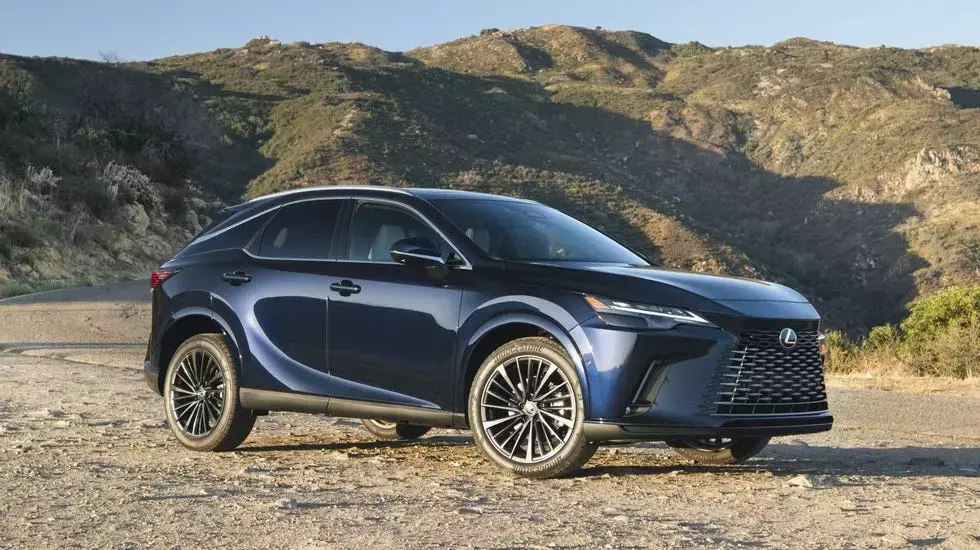
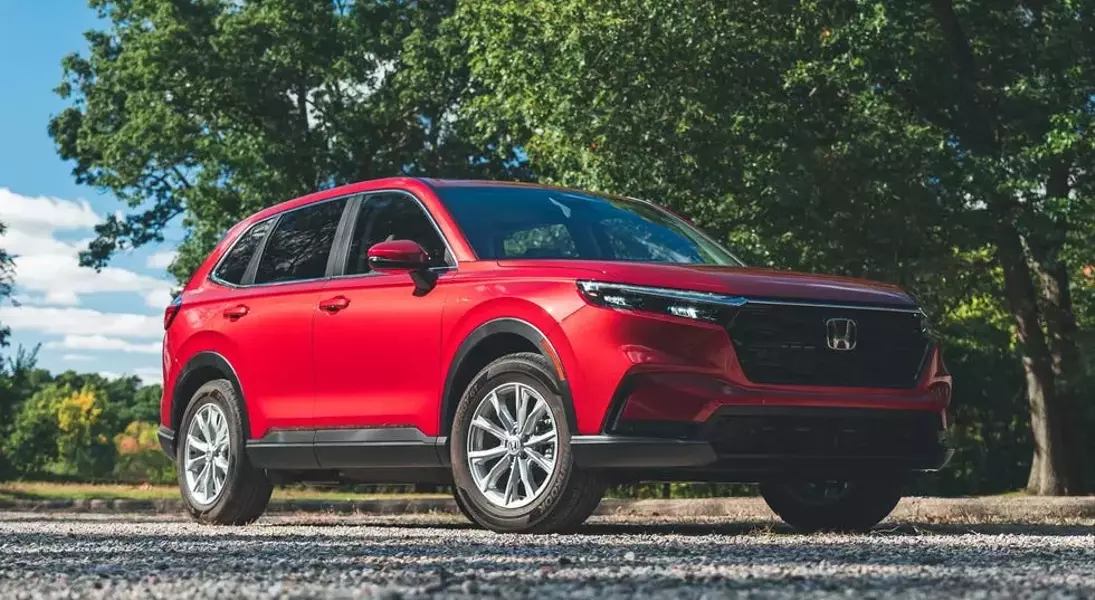
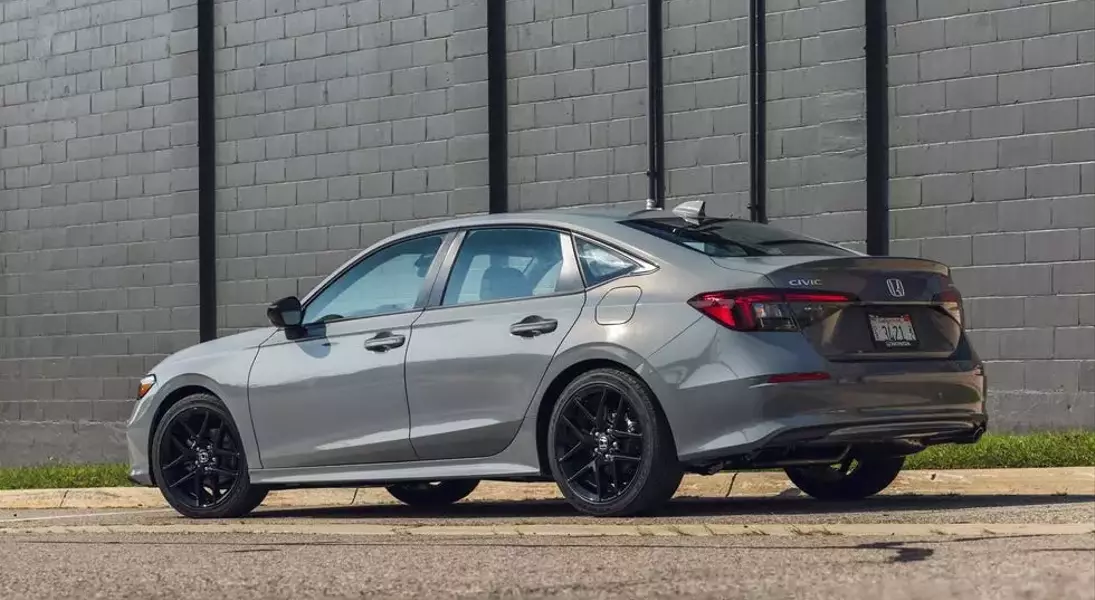
Beyond mainstream offerings, TMMC also handles the assembly of certain luxury models. The non-plug-in hybrid variants of the Lexus NX and RX are assembled in Ontario, though their plug-in counterparts are sourced from Japan. This dual production strategy highlights Canada's capacity to cater to both mass-market and premium segments. Honda also holds a significant place in Canada's automotive history, having established a presence there prior to entering the U.S. market. Early models like the sporty S600 roadster and coupe were sold through motorcycle dealerships. Today, Honda's Canadian production at its Alliston, Ontario plant focuses on the CR-V and the sedan version of the Civic, with the latter having a notable history of surpassing the quality control standards of its Japanese-made counterparts, demonstrating the high caliber of Canadian manufacturing.
Heavy-Duty and Performance Vehicle Assembly
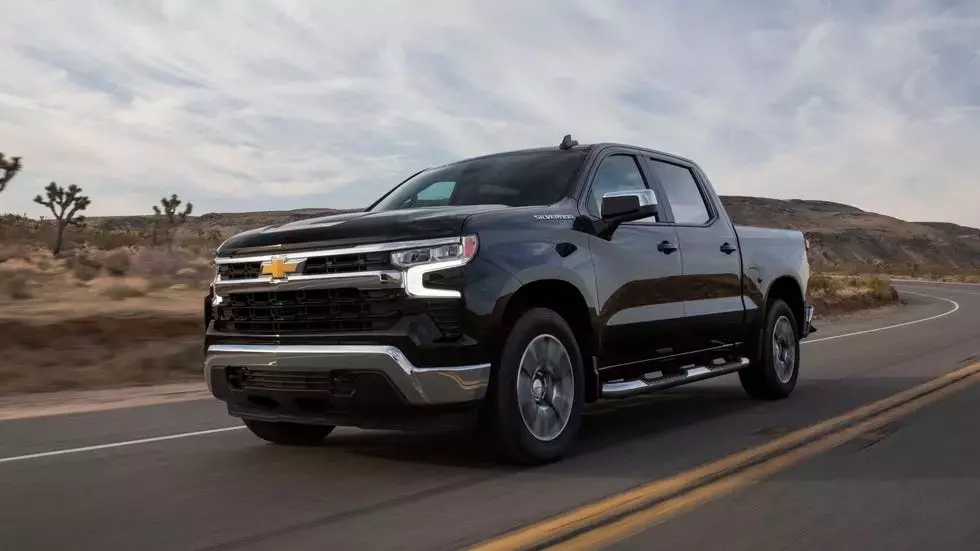
The Canadian automotive industry is not solely focused on passenger cars and SUVs; it also plays a crucial role in producing heavy-duty vehicles like pickup trucks. General Motors' Oshawa plant, for instance, is responsible for assembling the combustion-powered versions of the Chevy Silverado. Given Canada's substantial agricultural output, which includes millions of tons of wheat annually, there is a strong domestic demand for robust pickup trucks to support farming operations. This demand is met by local production, although the electric variant of the Silverado is manufactured in Detroit, reflecting the interconnectedness of North American automotive production.
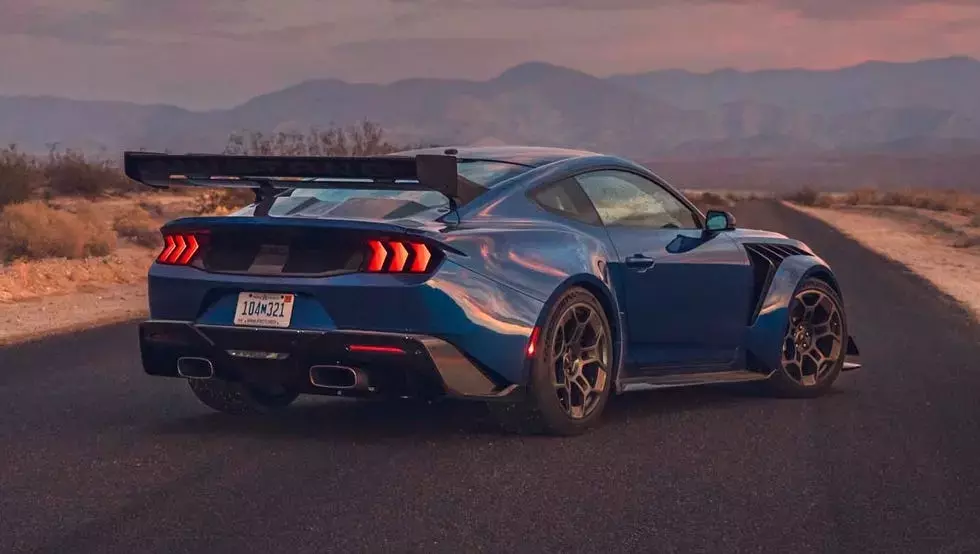
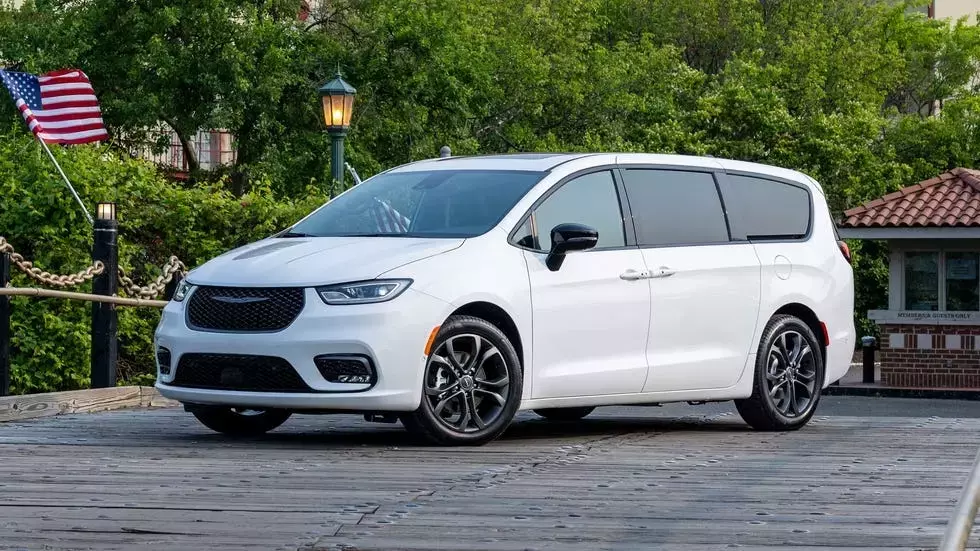
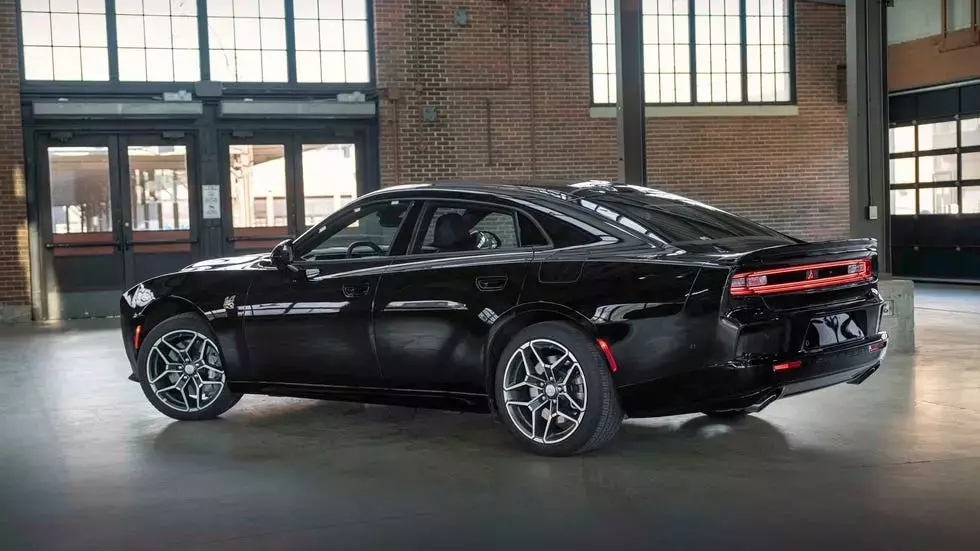
Canada also contributes to the production of specialized performance vehicles. The Chrysler Pacifica minivan, a staple for families and a common sight at junior league hockey tournaments, has been built at the Windsor Assembly plant since the early 1980s. This facility has historical roots extending back to the 1920s, underscoring its long-standing importance to the Canadian automotive landscape. Furthermore, the Dodge Charger, both its electric version and the model featuring a twin-turbo inline-six engine, is also assembled in Windsor. Notably, previous generations of the Challenger, including the high-performance Hellcat, were manufactured at Stellantis' Brampton plant in Ontario. This commitment to building American muscle cars in Canada, even when components like V-8 engines are shipped from the U.S., speaks to a unique collaboration. The Ford Mustang GTD, a high-performance variant, sees its chassis initially produced in Flat Rock, Michigan, before being sent to Markham, Ontario, where Multimatic's Special Vehicle Operations meticulously completes its assembly. Multimatic, a niche specialist comprising five companies, ensures that each GTD is not only exceptionally fast but also embodies the precision of Canadian engineering.
