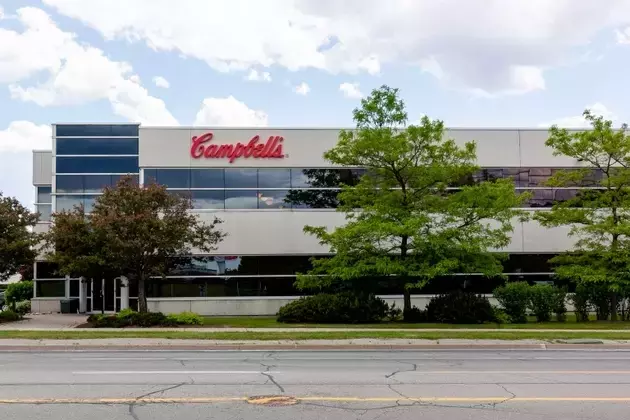
The Campbell's Company (CPB) has faced considerable headwinds, leading to a substantial drop in its stock price and raising concerns among investors. However, an in-depth analysis suggests that the market may have already absorbed much of the negative news, presenting a nuanced outlook for the company's future.
The Campbell's Company Navigates Challenges Ahead of Q2 Earnings
In recent times, The Campbell's Company, identified by its ticker CPB, has experienced a notable downturn in its market performance. Over the past year, the company's shares have shed approximately one-third of their value, now trading near a 52-week low. This decline reflects a period of struggle characterized by persistent weakness in sales, significant pressure on profit margins due to the impact of tariffs and escalating input costs, and a heavy debt burden that constrains the company's ability to engage in share repurchases.
Despite these challenges, the current assessment indicates that much of the negative sentiment surrounding CPB has already been incorporated into its stock price, positioning it as a 'hold' at the $25 price target. A pivotal factor in the company's potential resurgence lies in the performance and seamless integration of its acquired brands, particularly Rao’s, especially in the wake of the La Regina acquisition. The success of these integrations is deemed critical for achieving future growth and enhancing profit margins. Looking ahead, a modest revision of the company's guidance is largely anticipated by the market. Nevertheless, there remains a possibility of a 'relief rally' if The Campbell's Company manages to surpass expectations in its second-quarter earnings report, even if it presents a slightly trimmed outlook.
The journey for The Campbell's Company in the coming months will be a test of its strategic resilience and operational efficiency. While the path to recovery may be arduous, the market's current valuation suggests that the downside risks are largely accounted for. The focus now shifts to how effectively the company can execute its integration strategies and navigate the challenging economic landscape to unlock future value.
