


This article explores the recent strategic acquisition of Callum Wilson by West Ham United, delving into his football journey, on-field contributions, persistent injury battles, and the broader financial considerations influencing both the acquiring and selling clubs.
Wilson Joins West Ham: A New Chapter for the Veteran Striker
A Career Forged Through Adversity and Resilience
Callum Wilson's path in professional football has been marked by significant challenges and remarkable comebacks. From his early days at Coventry City, where logistical hurdles often complicated his training, to enduring severe injuries during loan spells and early career at Bournemouth, his journey has been anything but straightforward. Despite these setbacks, including two anterior cruciate ligament ruptures, Wilson consistently demonstrated his innate ability to find the net, proving himself a formidable presence in the Premier League for both Bournemouth and Newcastle United.
Anticipating Wilson's Impact and Availability
Given Callum Wilson's limited appearances in the recent season, his current form remains somewhat enigmatic. However, his historical performance showcases a potent goal-scoring capability, with past seasons demonstrating exceptional efficiency in front of goal. While he possesses the attributes of a powerful and agile striker, his notable injury history suggests that West Ham will likely implement a careful management plan for his playing time, prioritizing his fitness to maximize his contributions.
Tactical Integration and On-Field Prowess
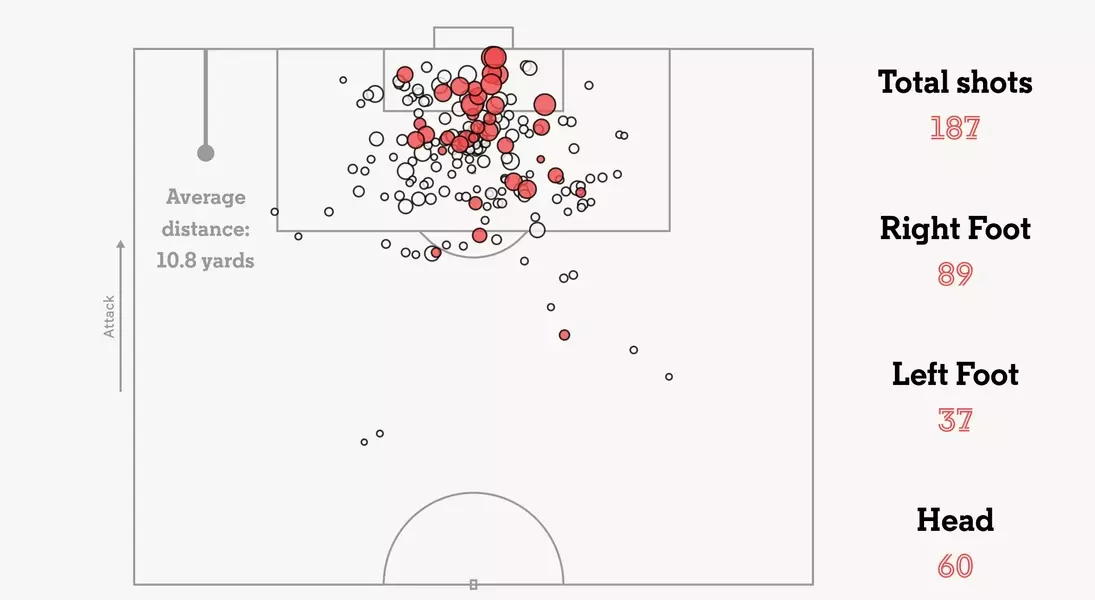
Callum Wilson's playing style as a traditional number nine, with a keen focus on attacking the penalty area, offers a distinct advantage to West Ham. His impressive statistics in expected goals per shot and shot-to-goal conversion rates highlight his clinical finishing. Despite the natural slowdown that comes with age and past injuries, Wilson has refined his overall game, developing a nuanced ability to create opportunities for teammates and draw fouls. When in peak physical condition, his presence is expected to provide a dynamic option, especially as an impact substitute for the Hammers.
A History of Battling Injuries
Wilson's career has been significantly impacted by a series of injuries, which have frequently sidelined him. Beyond the well-documented ACL ruptures during his time at Bournemouth, he has also faced recurring hamstring issues, a prolonged calf injury, and a back problem during his tenure at Newcastle. These persistent fitness challenges have limited his consistent participation in top-flight football, underscoring the importance of careful injury management in his new role at West Ham.
Insights from a Former Teammate
According to Marc Pugh, a former teammate at Bournemouth, Callum Wilson's unwavering work ethic and continuous drive for improvement have been central to his success. Pugh emphasized Wilson's extraordinary mental fortitude, particularly in overcoming back-to-back ACL injuries. This resilience, forged through challenging rehabilitation periods, has evidently hardened Wilson's determination, enabling him to consistently return to the field and perform at a high level.
Financial Landscape of the Transfer Deal
The transfer of Callum Wilson to West Ham as a free agent signifies a strategic financial move for both clubs. Newcastle United incurred no transfer fee, benefiting instead from the removal of Wilson's wages from their payroll, which positively impacts their salary cap and amortization costs. For West Ham, acquiring Wilson without a transfer fee means the primary financial outlay will be his performance-based wages over his one-year contract. This arrangement is particularly advantageous for West Ham as they manage their financial fair play obligations, with most costs being absorbed within the current accounting period.
Impact on Club Financial Regulations
For Newcastle, Wilson's departure provides a positive adjustment to their wage bill and reduces their amortisation expenses, easing their financial fair play calculations. West Ham, having secured Wilson without a transfer fee, will mainly account for his wages and any agent fees within their current financial year. This transaction offers flexibility for both clubs in navigating complex financial regulations, demonstrating a prudent approach to player acquisitions and departures within the framework of football's economic landscape.
