

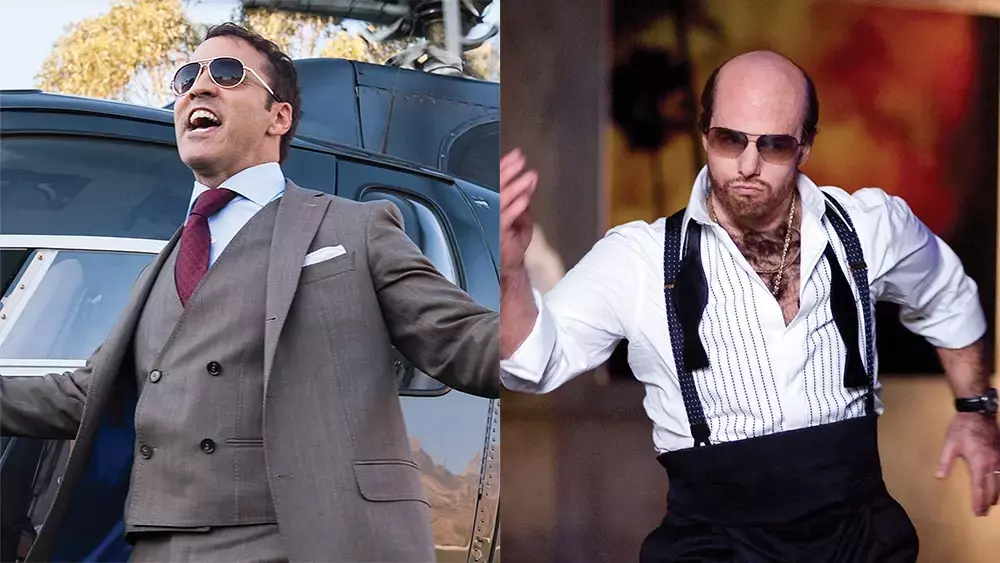

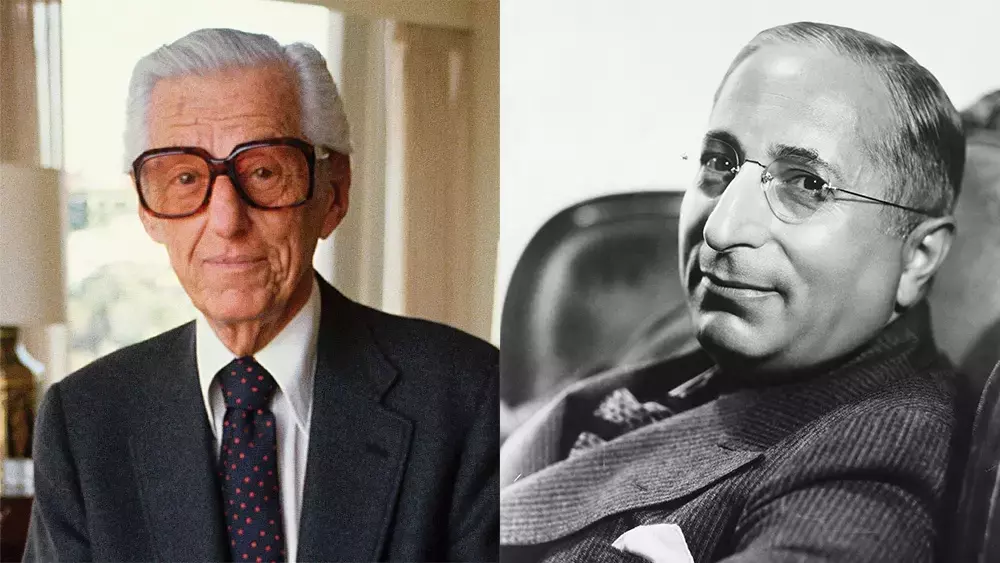
In a provocative commentary on the contemporary film industry, the author laments the apparent decline of a certain archetype of Hollywood executive: the formidable, profit-driven "Hollywood asshole." The piece suggests that today's executives, often seen in casual attire and exhibiting a focus on social signaling, have deviated from the powerful, almost intimidating figures of the past. This shift, it argues, has coincided with a changing financial landscape, moving from a theatrical box office focus to a streaming-centric model, leading to a perceived loss of profitability and direction within the industry. The author advocates for a return to a more traditional, business-first approach, reminiscent of legendary figures who prioritized financial success and hit-making above all else, believing this is essential for the industry's resurgence.
The author observes a notable change in the demeanor and priorities of modern Hollywood executives. Once, the industry was dominated by larger-than-life personalities whose presence commanded respect, and at times, fear. These individuals, despite their eccentricities, were singularly focused on securing financial success and delivering blockbusters. Their attire, often sharp suits, symbolized their authority and commitment to the business of filmmaking. This era saw the production of numerous financially successful films, driven by executives who understood that their primary role was to generate substantial revenue, not to win popularity contests or cater to niche social agendas.
However, with the rise of streaming services and the subsequent shift in financial metrics—from box office numbers to subscriber growth and engagement—the industry's priorities began to pivot. Executives, no longer solely disciplined by theatrical returns, started embracing what the author terms the "Executive Artist" persona. This new breed, it is argued, became more concerned with projecting a progressive image and greenlighting projects that resonated with their personal values or social circles, rather than those with the broadest commercial appeal. This emphasis on "luxury beliefs" and "cultural homework" over pure entertainment, the article asserts, has alienated mainstream audiences and contributed to significant financial losses for studios.
The author critically points out that this deviation from a profit-first mentality has left the industry vulnerable. The original Hollywood giants, who were often described as "monsters" yet "magnificent," understood that their role was to provide the financial backing and strategic vision necessary for artists to thrive, not to compete with them on creative merit or social consciousness. The essay concludes with a strong appeal for executives to shed their "artist" pretensions, embrace their fundamental role as shrewd business leaders, and once again prioritize the creation of widely appealing, profitable entertainment. Only by adopting this pragmatic, money-oriented approach, the author contends, can Hollywood reclaim its former glory and ensure the continued livelihood of all those dependent on its success, from artists to union workers.
The article posits that the contemporary Hollywood landscape has veered away from its successful roots, largely due to executives abandoning a profit-driven mindset for a more socially conscious, yet less commercially viable, approach. This shift, from focused business leaders to "Executive Artists" driven by personal agendas, has resulted in a decline in blockbuster successes and a disconnection from mass audiences. The author passionately advocates for a return to the fundamentals of the movie business: prioritizing profitability, producing universally appealing content, and allowing executives to resume their traditional role as astute financial strategists, rather than aspiring cultural arbiters. The message is clear: for Hollywood to thrive again, it must embrace its commercial legacy and the executives who fearlessly pursued it.
