
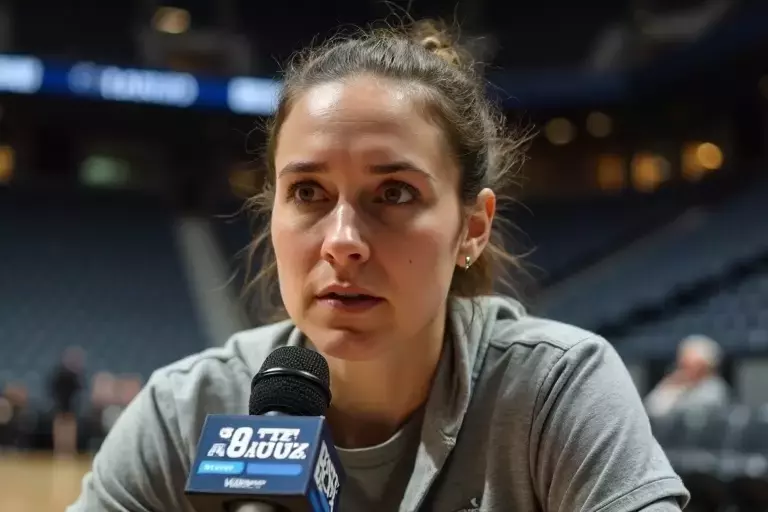


Since Caitlin Clark's leg injury, her absence from the Indiana Fever has reverberated beyond basketball performance. Ticket sales and game viewership have been notably affected. Clark addressed the media for the first time regarding her recovery, emphasizing the importance of not rushing her return. Her absence has led to a significant drop in ticket prices for certain games, particularly those against star-studded teams like the Chicago Sky. However, even without her on the court, the Fever continues to draw substantial audiences.
Clark's influence extends into the WNBA’s economic landscape, significantly contributing to league revenue. Despite her current unavailability, the sport's growing popularity ensures that multiple players and teams are gaining recognition. The potential economic impact remains robust, with projections indicating continued growth even as Clark's return remains uncertain.
The Economic Ripple Effect of Clark's Absence
With Caitlin Clark sidelined due to an injury, the financial implications extend far beyond the basketball court. Since her absence was announced, ticket prices for some games have plummeted, reflecting her crucial role in drawing fans. According to marketing expert Kate Christensen, ticket sales for certain matchups have dropped by up to 70%, showcasing the star player's impact on audience interest. Yet, despite this decline, recent games have still attracted considerable viewership, indicating strong support for the team overall.
Clark's absence has had a profound effect on the Fever's ticket pricing dynamics. Games featuring high-profile opponents such as the Chicago Sky saw prices dip significantly after it was revealed she wouldn't participate. For example, tickets for the June 7 matchup fell to as low as $15, while prices surged back over $80 for the July 27 game when her return is anticipated. This fluctuation underscores her status as a key draw for the league. Nonetheless, Christensen highlights that the sport's expanding popularity means the league isn’t solely reliant on one star player to maintain momentum.
Growing Popularity Amid Challenges
Despite Caitlin Clark's temporary departure, women's basketball continues to thrive, with increased attention directed towards multiple players and teams. Last year, Clark alone contributed to more than a quarter of the WNBA's economic activity, which is projected to reach $1 billion this year. Christensen notes that the league’s economic activity is broadening, reducing dependency on any single individual. Even without Clark on the court, recent games have ranked among the most-watched, demonstrating sustained fan engagement.
Clark's influence on the WNBA extends beyond her athletic prowess, shaping the league's financial landscape. Her presence accounts for a significant portion of last year's revenue, with expectations of further growth in 2023. Although her absence has caused fluctuations in ticket prices and attendance, the sport's rising popularity ensures that other players and teams are receiving increased attention. Christensen emphasizes that this expansion signifies a positive trend for the league, where success isn't hinged solely on one superstar. As Clark continues her recovery, reassessments will determine her availability for upcoming games, maintaining suspense and anticipation among fans.
