This report delves into the potential acquisition of Stellantis' Brampton Assembly plant in Ontario by Chinese automotive giant BYD. The article explores the backdrop of evolving trade relationships between the U.S. and Canada, particularly the impact of tariffs, and how these shifts are creating new opportunities for Chinese automakers in the Canadian market. It also examines the implications for local job preservation and the broader landscape of electric vehicle manufacturing.
Navigating New Horizons: Global Automakers Vie for Canada's Manufacturing Future
Trade Tensions Pave the Way for New Entrants in Canadian Auto Sector
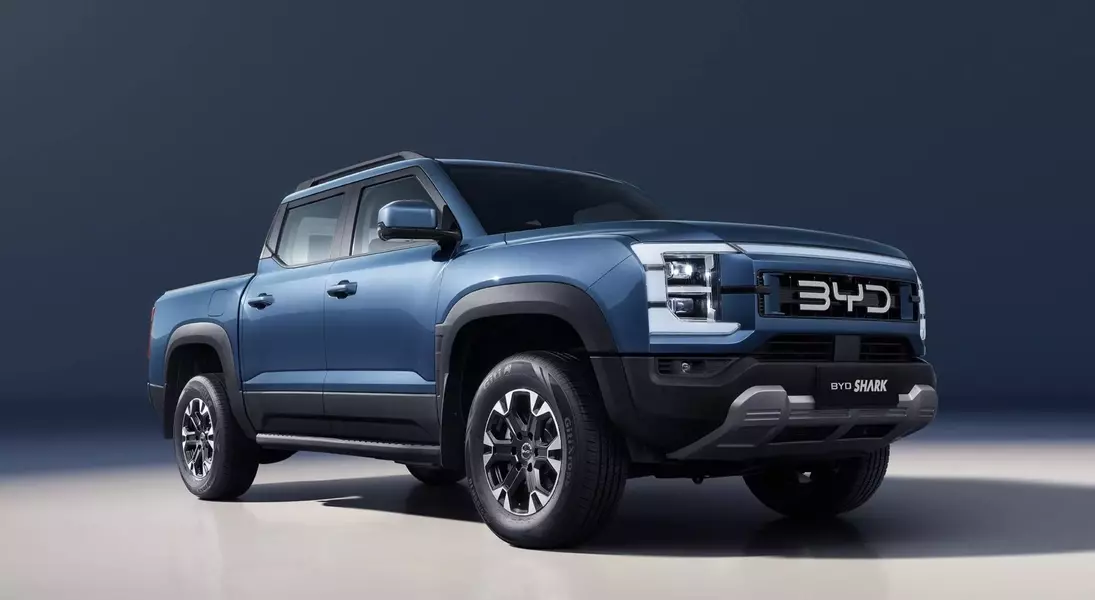
The imposition of substantial tariffs by the Trump administration on Canadian products has significantly strained trade relations between the United States and Canada. This economic pressure is inadvertently creating a fertile ground for other global players, particularly those from China, to expand their presence in the Canadian market. Chinese automotive manufacturers, already facing stringent trade barriers from the U.S., are now actively exploring opportunities to capitalize on this reconfigured trade landscape. Among them, BYD has reportedly shown interest in taking over Stellantis' inactive Brampton Assembly facility in Ontario.
Stellantis' Brampton Plant: From Retooling Hopes to Idle Status
The Brampton Assembly plant has been non-operational since late 2023, originally slated for retooling to produce the next-generation Jeep Compass. However, these plans were shelved by Stellantis due to the complexities and increased costs introduced by U.S. tariffs, which rendered the business case unfeasible. This decision has notably contributed to the delayed update of the U.S.-market Compass model, which continues to be based on its second-generation design, nearly a decade after its initial debut. The plant's prolonged idleness has thus opened the door for other potential investors.
China's Growing Influence in Canada's Electric Vehicle Market
A successful acquisition of the Brampton facility would substantially strengthen BYD's foothold in Canada, further integrating the Chinese automotive industry into the country's electric vehicle (EV) market. Canada has recently entered into an agreement that permits the annual import of up to 49,000 Chinese-manufactured EVs at a reduced tariff rate of 6.1%. This policy has already seen success with companies like Tesla, which imports Shanghai-built Model 3s, offering Canadian consumers a more affordable alternative to U.S.-produced models. Such developments underscore a strategic shift in Canada's trade partnerships, embracing Chinese imports to meet growing EV demand.
BYD's Vision: Electric Bus Production in Canada
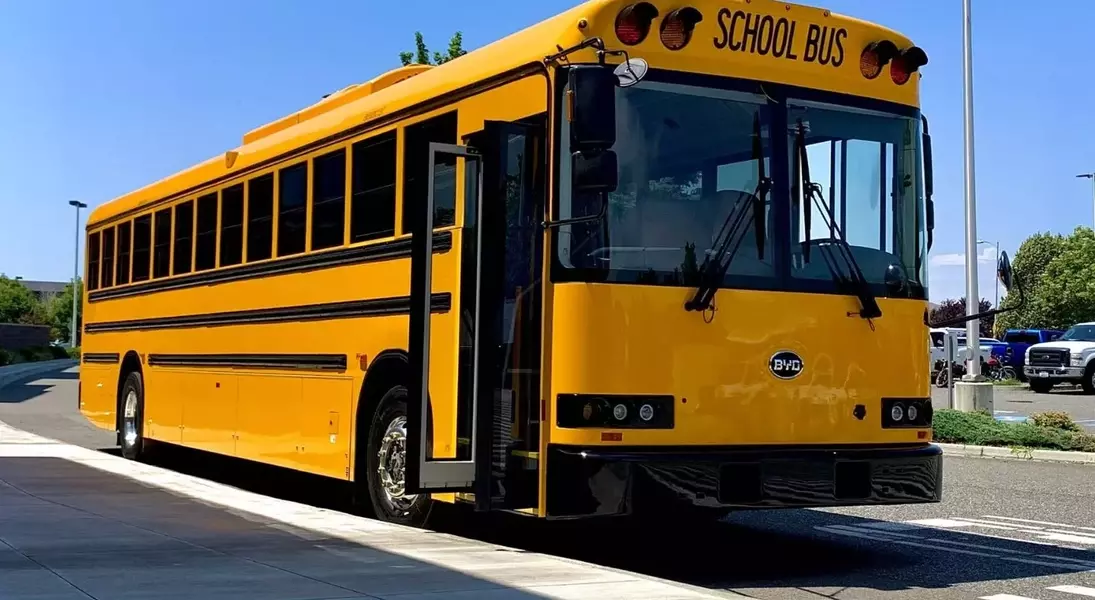
Interestingly, BYD's discussions regarding the Brampton plant have centered not on passenger car manufacturing, but on the production of electric buses. This aligns with BYD's established expertise in bus manufacturing, as evidenced by its existing electric bus production facility in Lancaster, California. These buses are widely utilized by various entities, including transit authorities, educational institutions, and transportation services in major tourist destinations. This focus on commercial vehicles could indicate a strategic diversification for BYD's Canadian operations.
Alternative Bidders and the Challenge of Job Creation
Beyond BYD, another Chinese brand, Leapmotor, has also reportedly considered utilizing the Brampton plant. Earlier proposals suggested that Leapmotor might assemble vehicles from semi-knocked-down (SKD) kits, meaning components would be largely manufactured in China and then assembled in Canada. This approach, while offering some local assembly, would create fewer job opportunities compared to full-scale manufacturing, potentially leading to resistance from labor unions like Unifor. Furthermore, Canadian defense contractors Roshel Inc. and Dominion Dynamics have also expressed interest in the facility, highlighting the diverse potential uses for the plant.
Balancing Economic Imperatives with Evolving Geopolitics
As the U.S. continues to fortify its trade barriers, Canada finds itself increasingly compelled to seek alternative investment avenues to safeguard and create employment opportunities, and to support its domestic industries. This includes engaging with Chinese companies, even as the U.S. maintains strict prohibitions on Chinese-made vehicles crossing its border. The Brampton plant remains dormant for the time being, with Stellantis having reallocated the production of the next-generation Compass to its Belvidere Assembly plant in Illinois, where production is slated to commence in 2027. This situation underscores the complex interplay of economic necessity, international trade relations, and the imperative of job preservation in a rapidly changing global automotive landscape.
