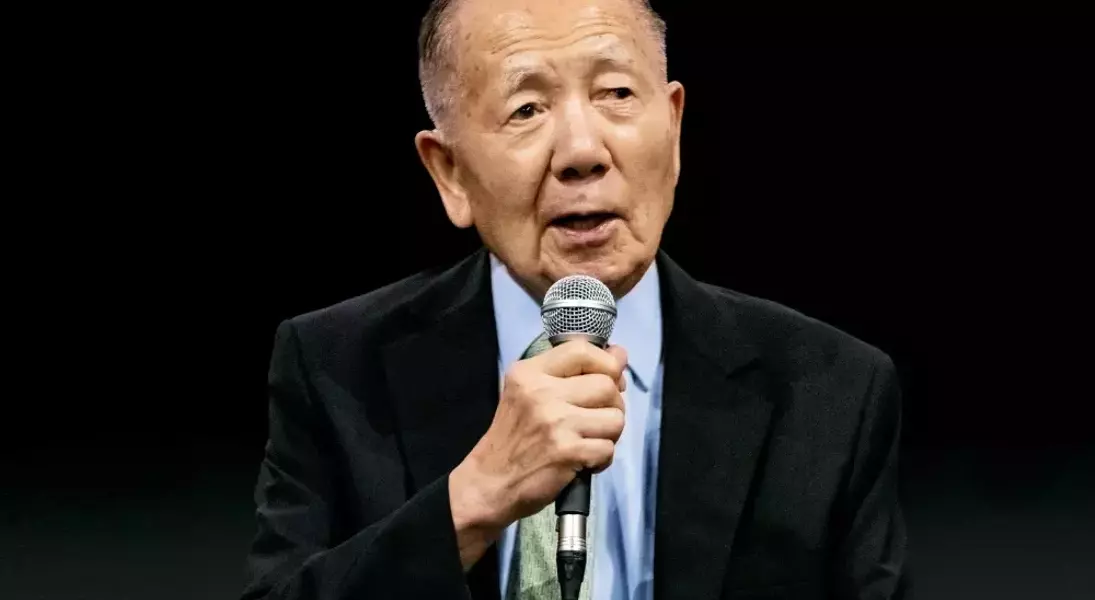
The Busan International Film Festival (BIFF) is set to bestow its 31st Korean Cinema Award upon Kim Dong-ho, recognizing his profound influence as the founding director and his extensive contributions to Korean cinema. This honor celebrates individuals whose work has not only shaped the national film landscape but also significantly amplified its presence on the international stage. Kim's remarkable career journey began within the Ministry of Culture and Information, progressing through leadership roles at the Korean Motion Picture Promotion Corporation and the Seoul Arts Center, and even serving as Vice Minister of Culture.
His visionary leadership at BIFF, from its inception in 1996, revolutionized the festival's approach to film selection. By steadfastly resisting government censorship and advocating for artistic independence, Kim cultivated an environment where filmmakers felt empowered. This commitment to creative freedom attracted global attention, establishing BIFF as a crucial hub for Asian cinema and a vital platform for artistic exchange.
The Enduring Legacy of Kim Dong-ho in Korean Cinema
Kim Dong-ho, the celebrated founder of the Busan International Film Festival, will be honored with the 31st Korean Cinema Award. This prestigious recognition highlights his unparalleled dedication to fostering Korean cinema and expanding its global reach. His career, spanning various significant cultural and governmental positions, culminated in his pivotal role in establishing BIFF in 1996. Under his leadership, the festival became a beacon of artistic independence, famously resisting censorship and championing a free environment for filmmakers, which significantly enhanced its international reputation and influence within the Asian film community.
Beyond his tenure as festival director, Kim Dong-ho remained an active and influential figure in the film world. He dedicated himself to nurturing emerging talent through his roles at Dankook Graduate School of Cinematic Content and by shaping cultural policy. His presence on jury panels at esteemed international festivals, including Cannes, Rotterdam, and Fukuoka, further underscored his commitment to global cinema. Even in his late eighties, Kim continues to contribute to filmmaking, as evidenced by his documentary "Walking in the Movies" (2024) and his directorial debut "Mr. Kim Goes to the Cinema" (2025), both celebrating his lifelong journey in film and featuring collaborations with renowned directors. This continued engagement demonstrates his unwavering passion and enduring impact on the cinematic arts.
A Commitment to Artistic Freedom and Global Outreach
Kim Dong-ho's unwavering commitment to artistic freedom and his tireless efforts in promoting Korean cinema internationally are central to his legacy, culminating in the 31st Korean Cinema Award. From the very beginning of the Busan International Film Festival, he took a bold stance against traditional censorship, ensuring that the festival's programming remained unfettered by governmental intervention. This principled approach not only garnered the respect of filmmakers worldwide but also transformed BIFF into a vital gathering point for Asian cinema, fostering a dynamic space for creative expression and cross-cultural dialogue.
His involvement extended far beyond administrative duties, as he transitioned into roles focused on nurturing future generations of filmmakers and influencing cultural policy. His work as dean at Dankook Graduate School of Cinematic Content and chair of the Presidential Committee for Cultural Enrichment highlights his dedication to education and strategic development within the industry. Furthermore, his consistent participation as a jury member at major international festivals underscores his continuous engagement with global cinematic trends and his role as an ambassador for Korean film. Even now, he continues to actively promote Korean cinema, attending numerous festivals annually, embodying a lifelong devotion to the art form that has shaped his extraordinary career.
