Bungie's anticipated competitive mode for its game, Marathon, is set to debut this weekend, offering players a distinctive and strategic challenge. Unlike typical competitive setups, success in Marathon's ranked play hinges not just on combat prowess but also on a nuanced understanding of its elaborate scoring and loot mechanics. The developers have released a detailed guide, resembling a "Ranked Calculation Worksheet," to help participants grasp the complexities of earning points, mitigating losses, and maximizing their performance within this innovative system.
Marathon Ranked Mode: Unpacking the Strategic Depth
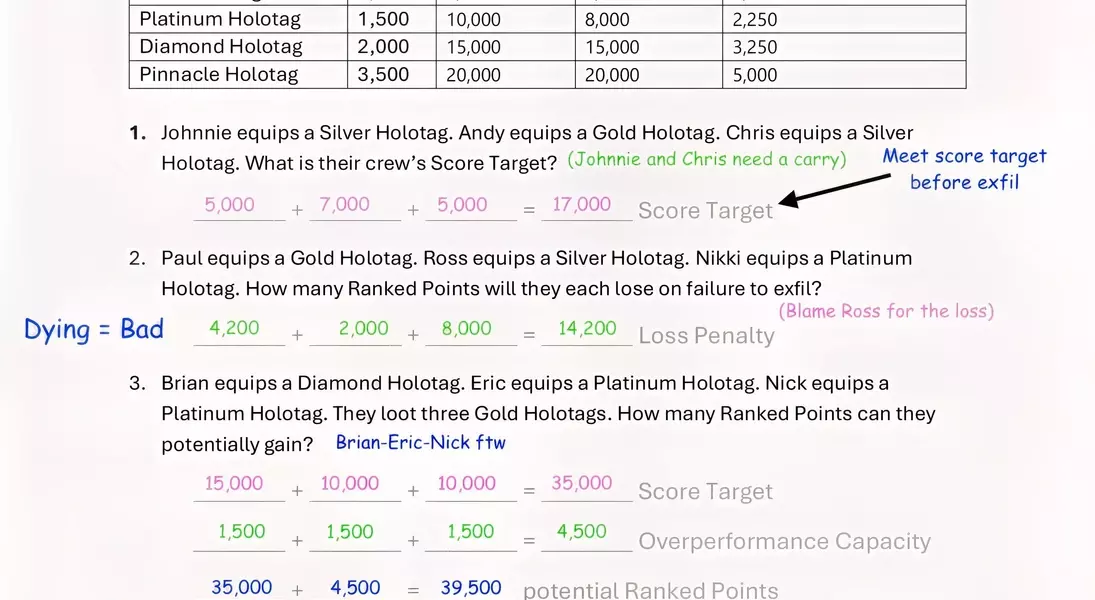
Commencing on March 21 at 1 p.m. EDT, Marathon's ranked mode introduces a layered approach to competitive gaming. At its core are holotags, integral to a player's entry and progression. Participants must acquire these holotags, available in six tiers—bronze, silver, gold, platinum, diamond, and pinnacle—from the in-game armory, with higher tiers incurring greater costs. Crucially, players can only purchase holotags at or below their current rank. The collective value of holotags brought into a match by a party establishes their "score target." To successfully extract and gain ranked points, teams must accumulate sufficient loot to meet this predetermined target. Failure to do so results in zero rated points upon extraction, highlighting the importance of strategic looting over premature exfiltration.
The system also incorporates a loss penalty: if a team is eliminated, each player forfeits rated points equivalent to their team's combined holotag loss penalty values. Conversely, successful extractions that meet or exceed the score target reward players with ranked points proportional to the value of the loot secured. While various valuable items contribute to the score, collecting enemy holotags emerges as a highly efficient method. This not only boosts the team's score but also significantly increases their "overperformance capacity." For instance, each gold holotag captured can raise a team's potential score target by 1,500 points. Additionally, players can enhance their overperformance capacity by acquiring tag chips from fallen UESC adversaries or by engaging in dynamic map events. This design encourages a comprehensive gameplay style that values exploration, UESC elimination, player engagements, and event participation, rather than solely focusing on direct player-versus-player combat.
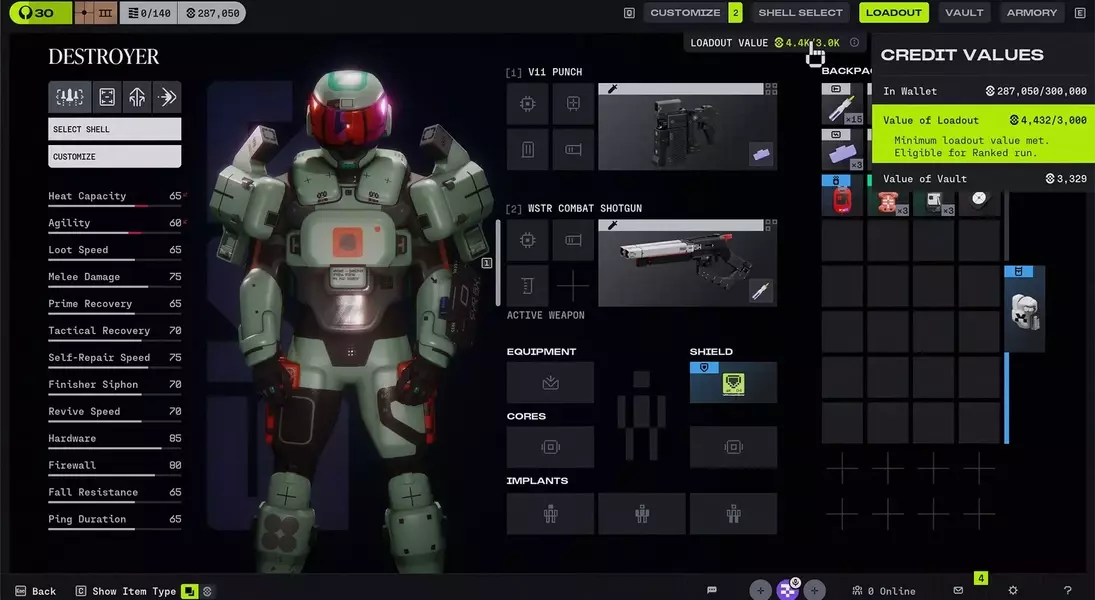
Entry into ranked queues also demands specific prerequisites. The low-stakes queue, available during the inaugural weekend, mandates at least a bronze holotag and gear with a minimum sale value of 3,000 credits, typically comprising enhanced (green) and some deluxe (blue) items. For those seeking higher stakes, the platinum holotag is required, alongside gear valued at 10,000 credits—equivalent to a full set of deluxe gear supplemented with superior (purple) pieces. Furthermore, all participants must achieve a runner level of 25 or higher. The game's mechanics even factor in the cost of a player's holotag, potentially reducing the required gear ante for higher-stakes matches. This intricate system underscores a philosophy of calculated risk, urging players to monitor their loot meter vigilantly to avoid the embarrassment and point loss associated with an ill-timed extraction.
Strategic Depth and Player Engagement in Marathon's Ranked Ecosystem
Marathon's ranked mode presents a refreshing departure from conventional competitive formats, pushing players to think beyond immediate skirmishes. The emphasis on resource management, strategic looting, and understanding intricate scoring mechanics elevates the gameplay to a cerebral level. It encourages a blend of tactical foresight and adaptability, ensuring that success is a product of well-rounded engagement rather than just combat skill. This system challenges players to continuously evaluate risks and rewards, transforming each match into a dynamic puzzle where every decision, from holotag selection to extraction timing, profoundly impacts their standing. It’s a compelling invitation for players to not only master their weapons but also to become astute strategists within Marathon's ever-evolving competitive landscape.
