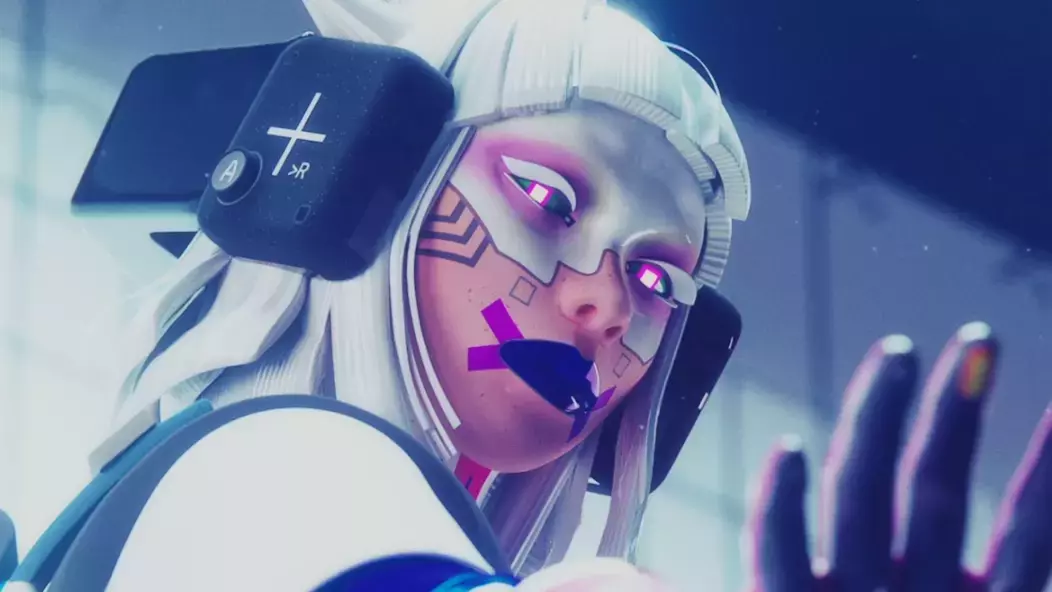
A recent development has shed light on a significant issue within the gaming industry concerning intellectual property rights. Game developer Bungie, known for titles like Destiny 2 and the upcoming Marathon, has officially recognized artist Antireal as a "visual design consultant" in the credits of Marathon. This action addresses a previous controversy where the artist's work was allegedly used without proper attribution in both Bungie's games. While this resolution marks a positive step, it also underscores the persistent challenges faced by independent artists whose creations are sometimes utilized by large corporations without initial consent.
The controversy first emerged when it became known that Bungie had incorporated designs from artist Antireal into its game, Marathon. This wasn't an isolated incident, as similar unauthorized use of her work had also occurred in Destiny 2. Bungie later acknowledged the art appropriation, attributing it to a former employee and committing to a comprehensive review of Marathon's visual assets to prevent future infringements. This situation brought to the forefront discussions about copyright protection and fair compensation for artists in the competitive and rapidly evolving video game landscape.
Following several months of discussions, Antireal confirmed that the matter had been satisfactorily resolved. While the specifics of their agreement, likely including financial compensation, remain confidential, the decision to credit her as a visual design consultant in Marathon is a notable outcome. For a working artist, receiving official credit in a major video game release, especially one with a distinctive visual aesthetic like Marathon, represents a significant professional milestone. Such recognition can open doors to future opportunities and enhance an artist's standing within the industry, irrespective of the game's commercial performance.
However, the journey for Antireal didn't end there. Shortly after the Marathon resolution, she discovered her art had once again appeared without her consent, this time on a licensed Xbox controller. This new incident, which she lamented as an unending struggle, illustrates the ongoing battle artists face in safeguarding their intellectual property across various platforms and products, even after reaching agreements with major entities. It highlights the complexities of digital rights management and the pervasive nature of unauthorized usage in today's interconnected creative industries.
This series of events emphasizes the critical need for robust mechanisms to protect artists' intellectual property and ensure fair compensation. While Bungie's move to credit Antireal in Marathon is commendable and a step towards rectifying past errors, the recurrence of such incidents, like the Xbox controller issue, signals that there is still much progress to be made. It serves as a reminder for both corporations to implement stricter internal protocols and for artists to remain vigilant in protecting their creative output.
