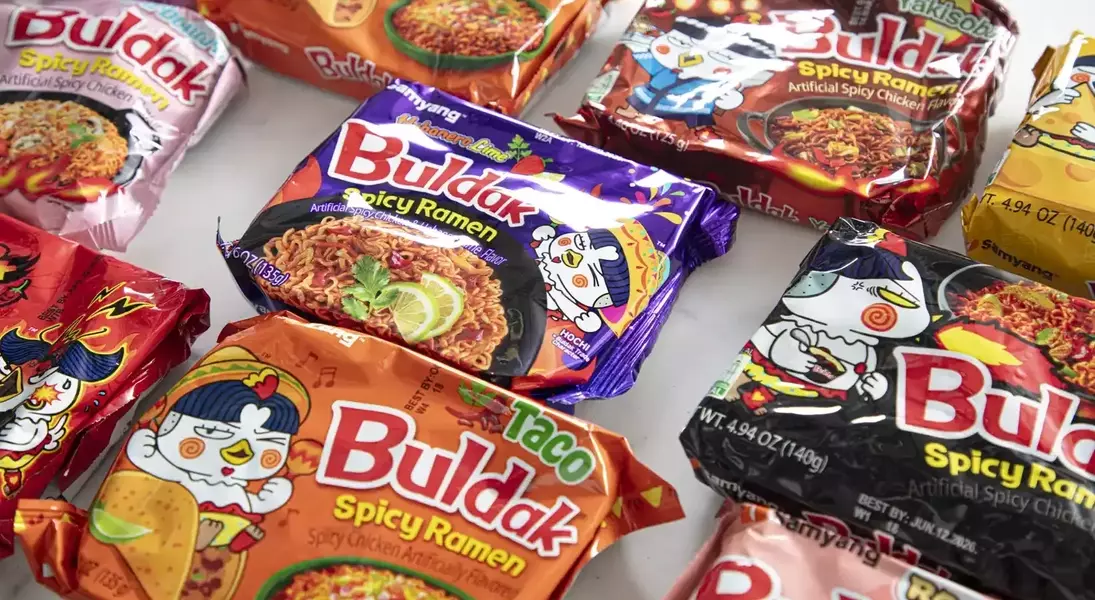
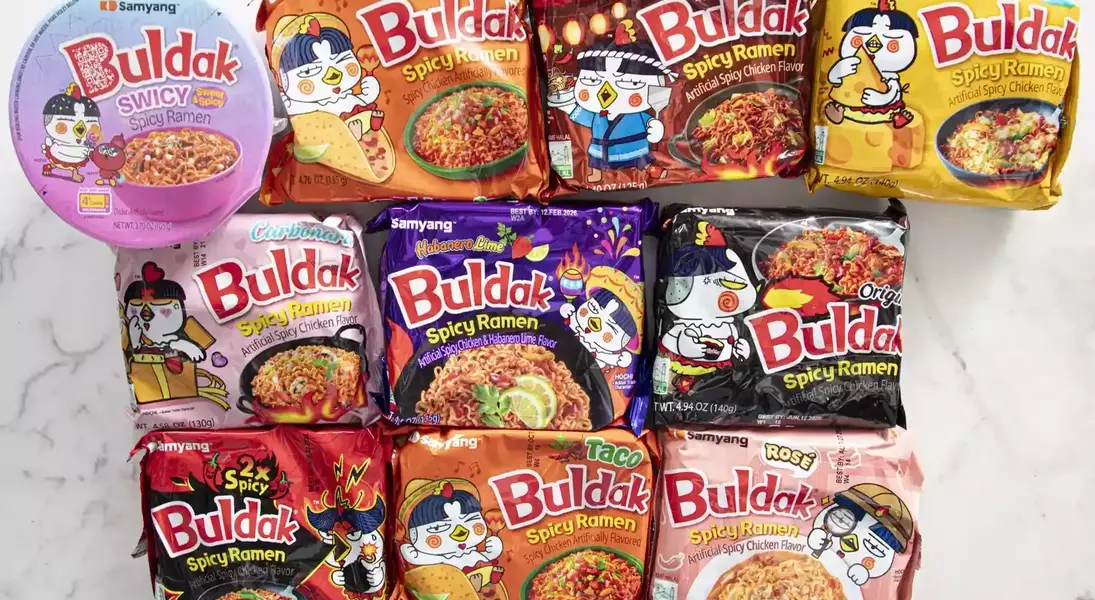
A recent flavor evaluation by Serious Eats assessed various Buldak ramen offerings, scrutinizing their taste and noodle consistency. The purpose was to identify which varieties truly deliver on their promises and which fall short, providing a comprehensive ranking from the least impressive to the most highly recommended. This analysis delves into the nuances of each instant noodle option, from cheesy disappointments to unexpectedly delightful yakisoba, offering insights for enthusiasts and curious eaters alike.
Buldak ramen has cultivated a significant following due to its renowned "hot chicken" flavors. This Korean instant noodle brand is celebrated for its intense spice, attracting consumers who actively seek out fiery culinary experiences. However, the brand offers a diverse range of options beyond just extreme heat, including innovative flavors such as creamy carbonara and the zesty habanero lime. The online community frequently shares tips and modifications to either mitigate the spice or enhance the overall flavor, prompting a detailed investigation into which of these varieties truly stand out.
The tasting panel for this evaluation approached the task with a variety of expectations. Some participants, like the editorial director, expressed enthusiastic anticipation, while others maintained a more cautious perspective. The visuals director, in particular, was quite taken with the brand's chicken mascot. The team meticulously sampled nine distinct Buldak varieties currently available in the market, utilizing the full sauce packets for each. Each ramen was assessed based on both its flavor profile and noodle texture, ultimately leading to a ranking from the least preferred to the most favored.
The Buldak Cheese flavor, despite its clear intention, failed to impress, delivering a muted and artificial taste reminiscent of "artificial cheese popcorn" rather than a rich, savory profile. Its clumpy and uneven noodle texture further detracted from the experience, leading to its placement at the bottom of the rankings. Following closely, the 2x Spicy Buldak was criticized for prioritizing extreme heat over flavor complexity, overwhelming the palate without offering much else. One panelist's candid reaction, "Do people hate themselves?" underscored the sentiment that the intensified spice did not enhance the overall experience.
The Buldak Taco flavor, visually striking with its Hot Cheetos-like hue, ultimately disappointed in taste, heavily relying on cumin without sufficient complementary flavors. This left it feeling like a mere imitation of the original rather than a unique offering. Buldak Swicy, an attempt at a sweet and spicy profile with added sprinkles, featured distinctively thinner and bouncier noodles. While appreciated for its unique flavor, the sweetness proved divisive, with some finding it off-putting, leading to a middle-of-the-pack placement.
Buldak Habanero Lime elicited mixed reactions, with some appreciating the lime's zest while others found it artificial. A common criticism was the difficulty in distinguishing the habanero flavor from the brand's characteristic heat, suggesting it didn't fully deliver on its promised taste profile. Buldak Rosé, a milder option with a light pink tomato-cream sauce, was noted for its savory and subtly bacon-like notes. However, some found its flavor identity confusing and overly sweet, though its approachability made it a preferred choice for those seeking less spice. The Original Buldak, recognized for its consistent, lingering heat, was praised for its savory and satisfyingly artificial taste. Yet, it was perceived as a base that required additional ingredients to achieve a fully developed flavor profile. Buldak Carbonara, with its thicker, chewier noodles and creamy, lactic sauce, was highly regarded for its balanced and approachable nature, offering a mellower heat and a richer experience. The top spot surprisingly went to Buldak Yakisoba, which, despite not being a ramen, impressed with its thinner noodles and dry preparation. Its savory, soy sauce-forward profile provided a much-needed umami depth that many other varieties lacked, earning it unanimous acclaim as the standout flavor.
The comprehensive assessment of Buldak ramen varieties revealed a spectrum of flavors and textures, ranging from those that missed the mark to those that truly excelled. While some iterations, like the overly spicy or artificial cheese flavors, failed to impress the tasters, others offered a more nuanced and enjoyable experience. The study highlighted that the brand's strength lies not just in its signature heat, but also in its ability to innovate with flavors like the creamy Carbonara and the unexpectedly superior Yakisoba. Ultimately, this detailed analysis serves as a valuable guide for consumers navigating the diverse world of Buldak instant noodles, pointing them towards the most gratifying choices.
