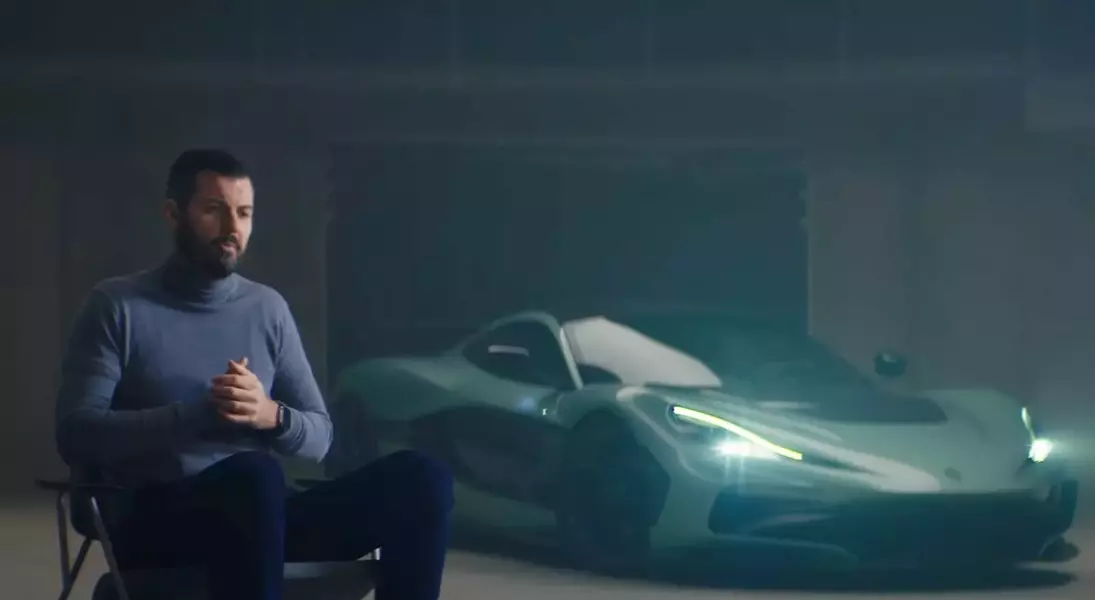
Bugatti's chief executive, Mate Rimac, firmly believes that traditional gasoline engines will retain their supremacy in the luxury supercar segment for many years ahead. This perspective marks a significant evolution for Rimac, a figure who initially gained prominence by converting a malfunctioning BMW into an electric vehicle. He observes that affluent consumers are increasingly gravitating towards the complex engineering and the visceral soundscapes offered by internal combustion powerplants, distancing themselves from purely electric options in the high-performance vehicle domain.
Rimac elaborated on this phenomenon in an interview with CNBC, drawing an analogy between supercars and meticulously crafted Swiss mechanical watches. While electric vehicles are becoming commonplace for daily commuting, he posits that elite performance cars occupy a realm where emotional connection and artisanal quality are paramount, overshadowing digital features or practical utility. Just as expensive traditional timepieces endure despite the advanced functionality of smartwatches, high-end automotive buyers prioritize the enduring appeal of mechanical artistry.
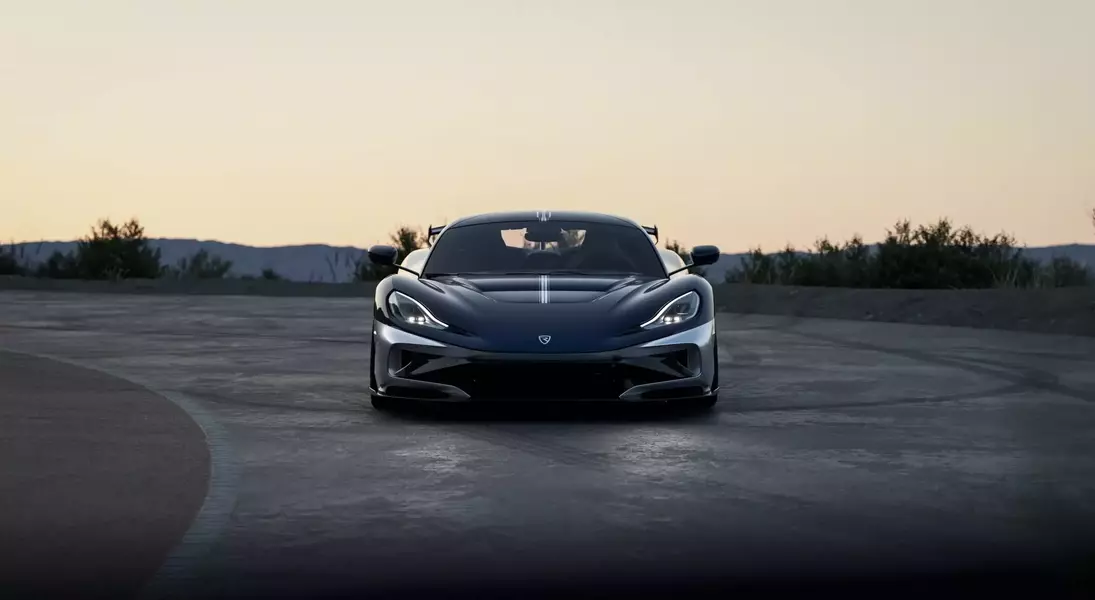
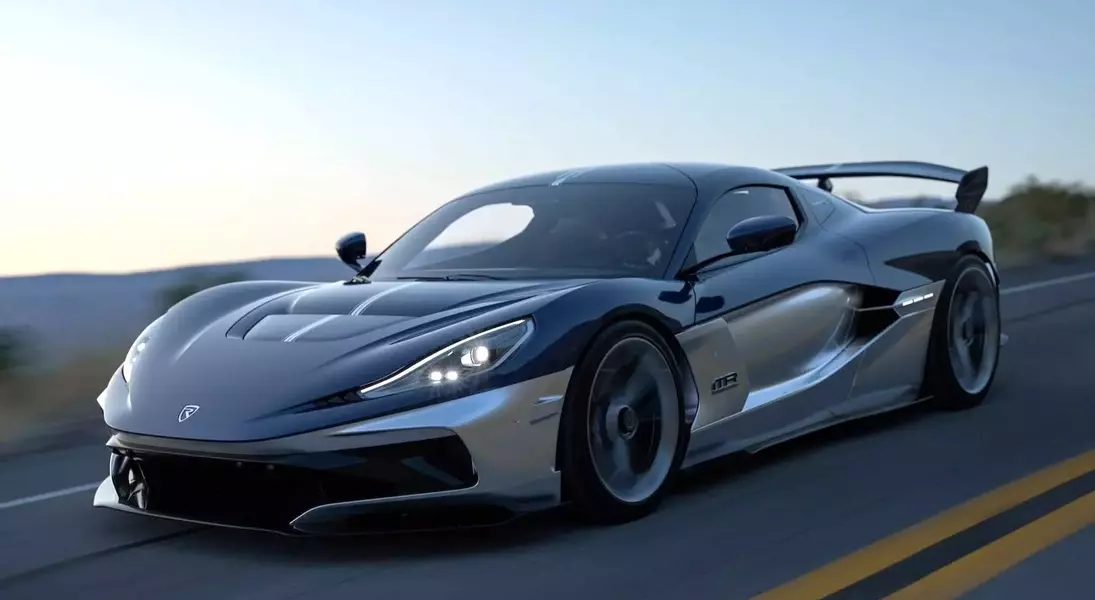
This philosophy is vividly embodied in Bugatti's latest offering, the Tourbillon, which notably eschews an all-electric drivetrain. Instead, this hybrid hypercar boasts an 8.3-liter naturally aspirated V16 engine generating 1,000 horsepower, augmented by electric motors to achieve a combined output of 1,800 horsepower. This powerful combustion unit is assembled at the company's Croatian facility, sharing the production line with the all-electric Nevera, underscoring Bugatti's diversified approach. The market's response validates Rimac's strategy: all 250 units of the Tourbillon, priced at approximately $4.5 million each, quickly sold out. Customization options further boost prices by an average of $600,000 to $700,000 per vehicle, reflecting buyers' desire for unique mechanical features. Bugatti's financial performance further solidifies this approach, with €200 million ($233 million) in earnings last year from controlled production volumes. With a valuation exceeding $2 billion after Porsche AG transferred its stake, the company aims for maximum profitability.
Rimac's perspective is not a rejection of electric vehicles but a shrewd understanding of evolving consumer preferences. The sheer speed and acceleration once unique to supercars are now widely available in mainstream electric cars, making raw performance less of a distinguishing factor for prestige. While Rimac continues to innovate in electric vehicle technology for broader applications, such as autonomous robotaxis and supplying high-voltage systems to BMW, his strategy for Bugatti underscores a critical distinction. For supercars, the essence of luxury lies in human craftsmanship and mechanical character, rather than just numbers. As everyday transport moves towards quiet electric autonomy, Bugatti's commitment to the combustion engine's visceral experience caters to ultra-luxury buyers willing to invest significantly in preserving this unique blend of noise and soul.
