Director Thomas Kail, known for his work on Broadway hits like "Hamilton," sheds light on the creative process and vision behind Disney's highly anticipated live-action adaptation of "Moana." This new cinematic endeavor aims to honor the spirit of the beloved animated classic while introducing fresh perspectives and innovative storytelling. Kail emphasizes the importance of celebrating Polynesian culture through the authentic performances of live actors and creating a distinct yet complementary experience for both new audiences and long-time fans.
Kail's extensive background in adapting musical narratives from stage to screen, particularly with projects like "Hamilton," provides him with a unique understanding of how to translate cherished stories across different mediums. He details the careful balance struck between preserving the essence of the original "Moana" and allowing for new interpretations, expanded musical elements, and dynamic performances, ensuring the live-action version stands as a compelling work in its own right.
The Vision Behind the Live-Action "Moana"
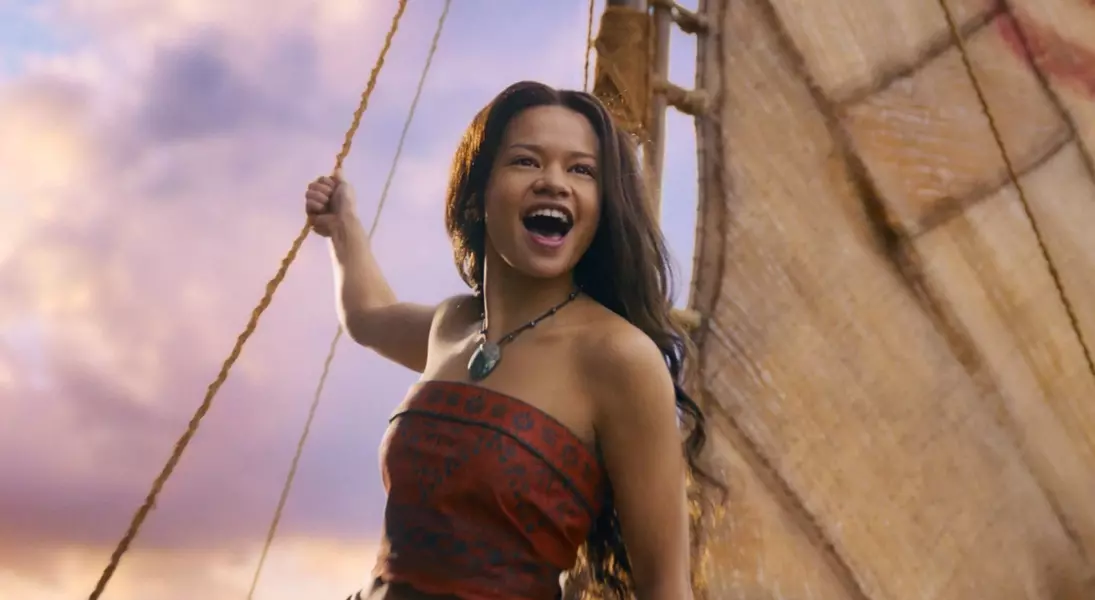
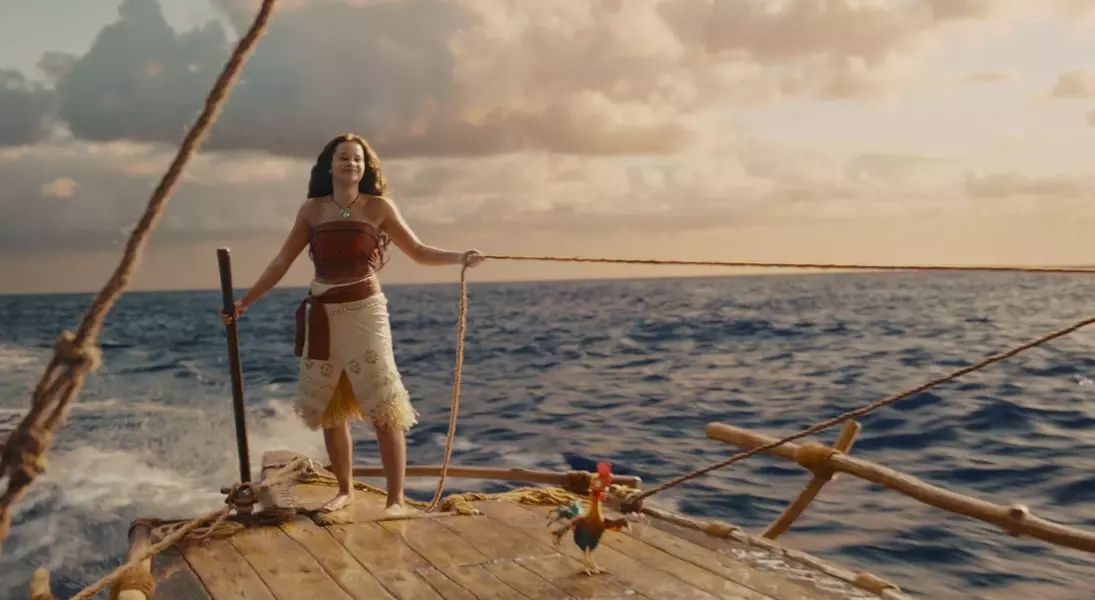
In a revealing interview, Thomas Kail, the director of the upcoming live-action "Moana," articulated his compelling reasons for revisiting the beloved animated tale. He expressed a profound desire to honor and immortalize Polynesian culture through the visceral presence of human performers on screen, distinguishing it from the animated predecessor. Kail views this adaptation not as a mere replication, but as a complementary piece, akin to a theatrical revival that reinterprets a classic text for a new era. This approach allows for the inclusion of entirely new scenes and narrative elements, enriching the established story while maintaining its core integrity. The director highlighted the unique opportunity to showcase a flesh-and-blood teenager at the heart of the story, bringing a tangible realism to Moana's journey and her connection to her village and heritage, while giving familiar songs new vocal interpretations.
Kail addressed the broad appeal of "Moana," acknowledging its diverse audience ranging from young children to older adults, much like his experience with "Hamilton." He noted that while animation has proven its universal appeal, the live-action format has the potential to draw in new demographics who might not typically engage with animated films. His hope is that the new film will encourage viewers, whether new or old, to explore both versions, viewing them as interconnected narratives rather than replacements. Kail explained that while the core story and beloved characters remain, the live-action version incorporates significant amounts of new dialogue and fresh comedic elements. The team embraced deviations from the original, allowing scenes to be recontextualized or placed differently within the narrative structure. This intentional reframing, driven by the unique possibilities of live-action, aims to offer a fresh perspective on the story's major plot points while retaining the elements that originally captivated audiences.
Adapting a Musical Masterpiece: Challenges and Innovations
Drawing from his rich experience in musical adaptations, particularly the transition of "Hamilton" from stage to screen, Thomas Kail revealed the guiding principles applied to the live-action "Moana." He emphasized the paramount importance of trusting the source material, recognizing the deep emotional investment audiences have in the characters and music. Kail highlighted that musical works inherently possess a longer cultural lifespan, allowing their stories and songs to resonate for years. While the "Hamilton" film project offered the rare luxury of minimal time constraints for editing, the "Moana" adaptation, like any structural remake, necessitated a careful balance between adhering to established narrative beats and fostering creative interpretation. This meant honoring the foundational structure of the story while allowing the live-action format to develop its own distinct identity and artistic expression.
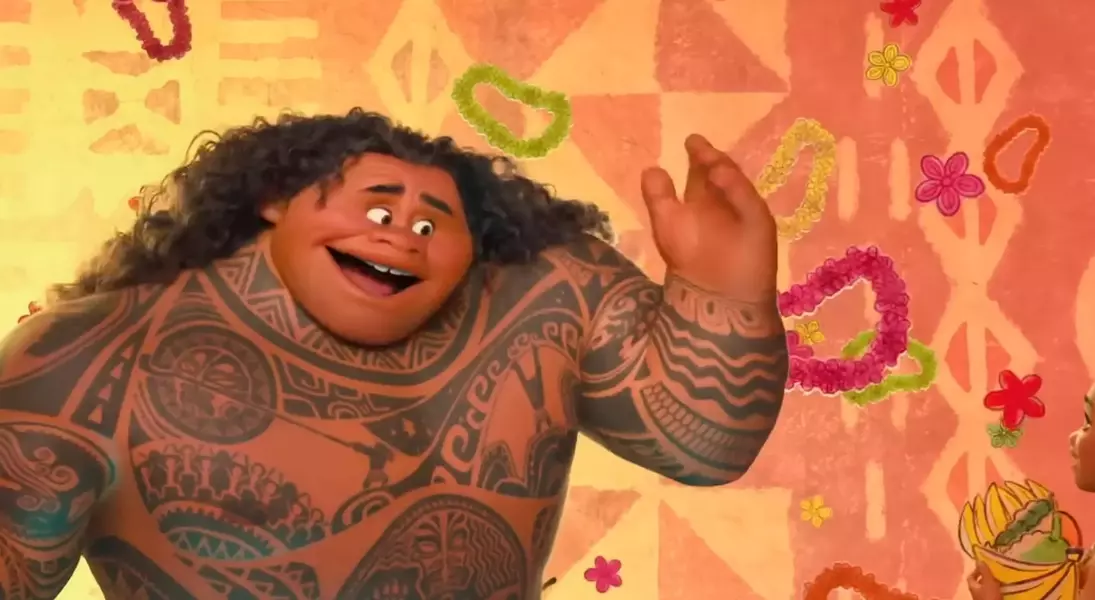
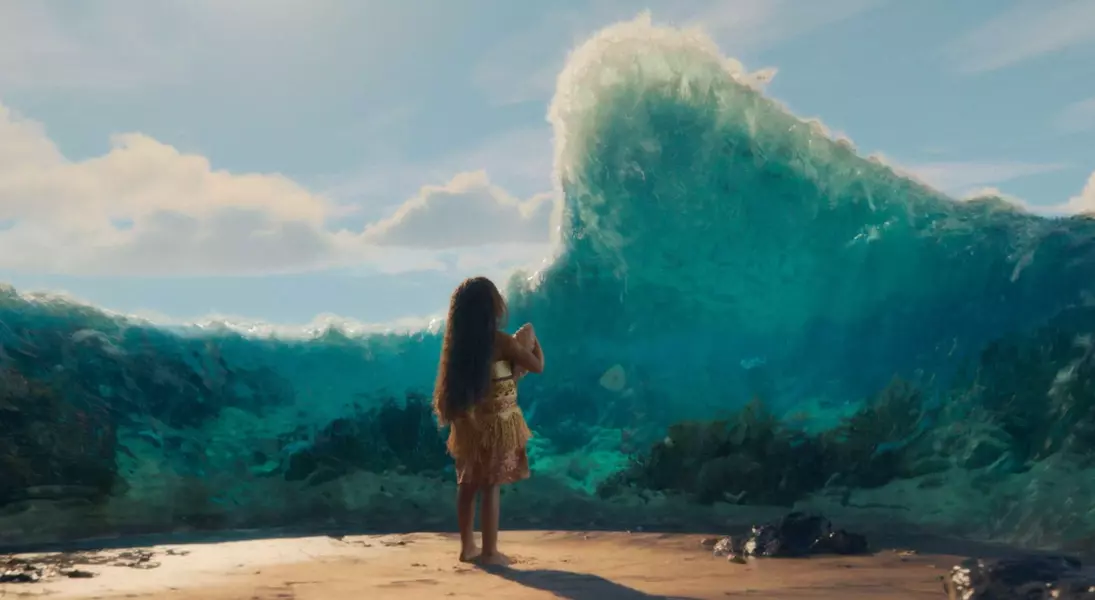
Kail candidly discussed the complex challenges inherent in translating "Moana's" fantastical elements into live-action. He noted the unique narrative components, such as singing crabs, lava monsters, and a mountain transforming into a goddess, which demand creative problem-solving. The team focused on grounding these extraordinary moments in realism early in the film, ensuring that even when facing a lava monster, Moana's journey felt consistent with her character as a young woman dedicated to her family and village. Regarding the musical score, Kail confirmed the collaborative effort with original composer Mark Mancina, who has contributed a substantial amount of new music while retaining familiar themes. This approach involved a meticulous scene-by-scene examination to determine what worked best in live-action, often leading to reinterpretation or structural inversion of animated sequences. The goal was to preserve the spirit of iconic moments, such as Maui's "You're Welcome" song, while re-imagining them energetically and visually for the live-action medium, ensuring they deliver the same impactful 'wow' factor that propels the film's second half.
