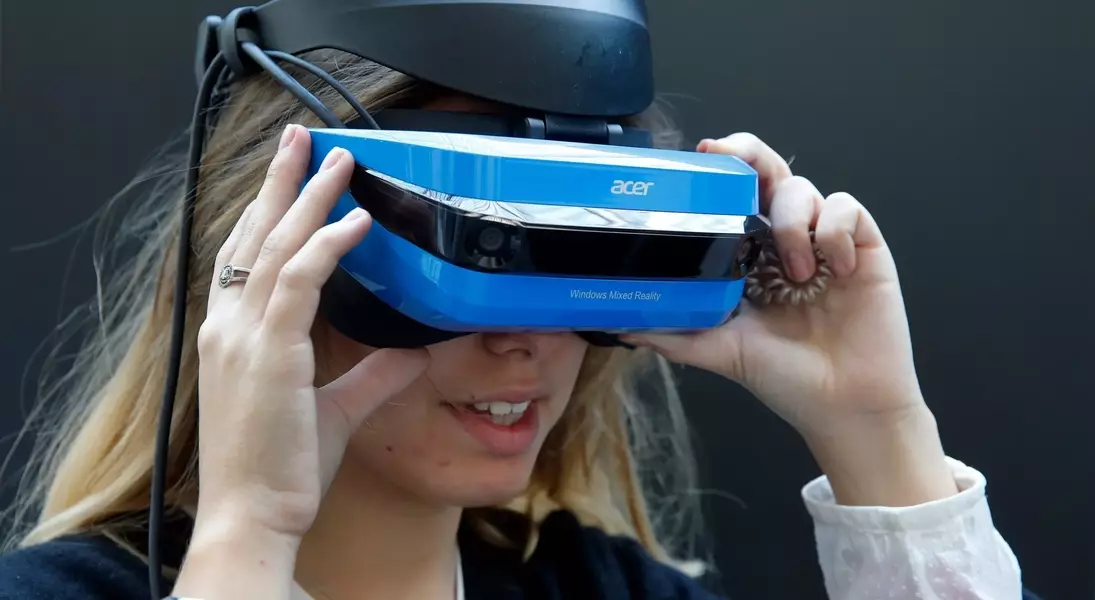
In an unexpected development, an Xbox engineer at Microsoft has taken matters into his own hands to revive Windows Mixed Reality (WMR) headsets, which were rendered largely obsolete after Microsoft ceased support for the platform with its 24H2 Windows 11 update. This personal project, dubbed the 'Oasis' driver, offers a crucial bridge, allowing these once-abandoned virtual reality devices to operate seamlessly within the SteamVR ecosystem. This ingenuity not only rescues a significant segment of VR hardware from the digital graveyard but also underscores the power of individual initiative in overcoming corporate decisions that might otherwise limit technological longevity.
The creation of this new driver represents a beacon of hope for owners of WMR headsets, extending the usability of their devices for a vast array of virtual experiences. By enabling full compatibility with SteamVR, the driver integrates WMR hardware into the most popular PC VR platform, making a wide library of content accessible once more. This development is particularly noteworthy as it was undertaken independently by a Microsoft employee, showcasing a dedication to the VR community beyond official corporate directives.
A New Lease on Virtual Life
Microsoft's decision to discontinue support for Windows Mixed Reality left a considerable number of VR headsets without a clear path forward, effectively rendering them unusable for many of their intended applications. This abrupt change created a void for users who had invested in the platform, highlighting a recurring challenge in the rapidly evolving tech landscape where hardware longevity can be dictated by software support. Fortunately, an innovative solution has emerged from within Microsoft's own ranks, breathing new life into these devices.
Matthieu Bucchianeri, an Xbox software engineer, has independently engineered a solution to this problem by releasing the \"Oasis Driver for Windows Mixed Reality\" on Steam. This driver, named after Microsoft's internal codename for its WMR efforts, successfully enables SteamVR support for these headsets, circumventing the need for the now-defunct Mixed Reality Portal application. The driver boasts comprehensive headset and motion controller tracking capabilities, alongside a native SteamVR rendering pipeline, ensuring a robust virtual reality experience. A notable requirement for this driver's functionality is an Nvidia GPU, a detail Bucchianeri attributes to specific features absent in AMD and Intel graphics drivers. This remarkable feat of reverse-engineering by a dedicated individual has transformed a potential technological dead end into a renewed opportunity for virtual exploration for countless users.
Technical Ingenuity and Community Impact
The development of the Oasis driver is a testament to the technical prowess and dedication of its creator, who, despite being an Xbox engineer at Microsoft, undertook this project independently. This driver's unique capability to integrate WMR headsets directly with SteamVR through OpenVR and OpenXR applications is a significant technological achievement, especially given the official deprecation of the Windows Mixed Reality platform. The decision not to release the source code, while understandable from a proprietary standpoint given the reverse-engineering involved, does not diminish the impact of this free and accessible tool on the VR community.
The impact of this driver extends beyond mere technical compatibility; it represents a lifeline for a segment of the VR community that faced obsolescence. Users can now reclaim their investment in WMR hardware, accessing a wide array of virtual reality content available on SteamVR. The successful implementation of full tracking for both headsets and motion controllers, combined with an efficient rendering pipeline, ensures that the user experience is not compromised. This initiative highlights how individual passion and expertise can fill gaps left by larger corporate shifts, providing continued utility and enjoyment for consumers and fostering a more resilient and adaptable technological ecosystem. This project underscores the symbiotic relationship between hardware and software, and how community-driven efforts can often bridge divides created by changing industry priorities.
